
Tools
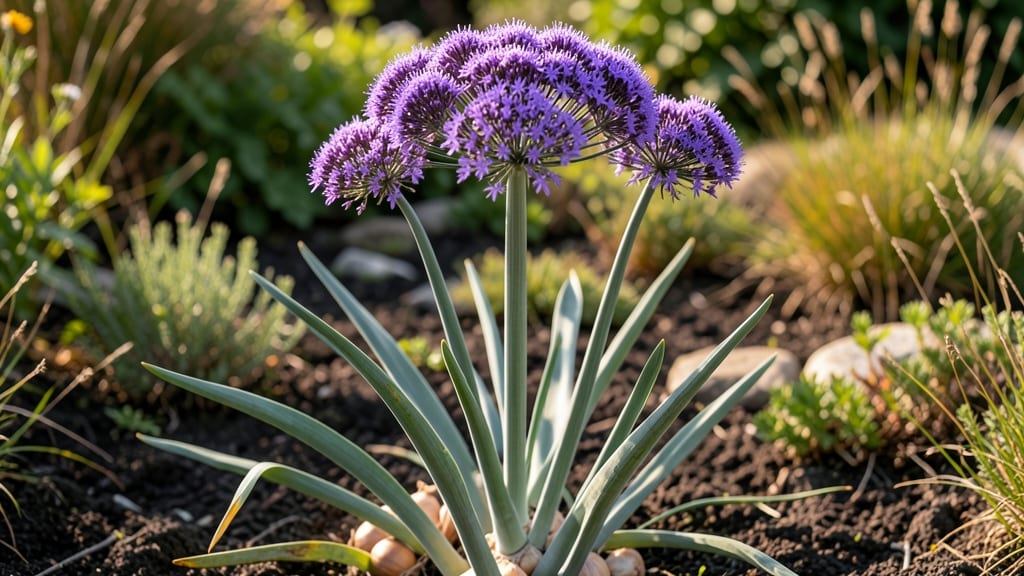
The Clove Garden menu offers seasonal, plant-forward dishes made with homegrown produce and herbs, featuring allergy-conscious options like gluten-free, vegan, and nut-free plates. Every course emphasizes garden-fresh ingredients with transparent dietary labeling.
The Clove Garden menu stands out for its commitment to seasonal cooking, where each dish reflects what's currently thriving in their garden. 🌿 This approach ensures peak flavor and nutritional value, with ingredients like heirloom tomatoes, fresh basil, and edible flowers transforming every plate.
The allergy-friendly focus means guests with dietary restrictions can enjoy meals without worry, thanks to clear labeling and customizable options.
What makes their menu unique is the seamless blend of sustainability and accessibility. The restaurant's garden-to-table philosophy extends beyond taste—it creates a connection between diners and their food sources. Whether you're vegan, gluten-intolerant, or simply looking for fresh flavors, Clove Garden's thoughtful menu design ensures everyone finds something satisfying.
💡 In This Article
- Seasonal Ingredients in Clove Garden’s Plant-Based Menu
- Navigating Allergens and Dietary Restrictions at Clove Garden
Seasonal ingredients in clove garden’s plant-based menu
The Clove Garden menu thrives on ingredients at their peak—harvested just hours before service. Their garden produces over 40 varieties of herbs and vegetables, including heirloom tomatoes, purple basil, and microgreens, all grown without synthetic pesticides. This seasonal focus isn’t just about freshness; it’s about flavor intensity.
For example, tomatoes picked in summer contain 30% more lycopene (a powerful antioxidant) than those stored for months. The restaurant’s edible flowers, like nasturtiums and borage, add vibrant colors and unique flavors that change with each season.
Harvest cycles directly impact the menu’s creativity. In spring, dishes feature delicate asparagus and ramps, while summer brings grilled eggplant and zucchini blossoms. The kitchen team tracks weather patterns and moon cycles to predict optimal harvest times—like picking strawberries at dawn for peak sweetness.
This precision ensures every bite delivers the most vibrant taste possible. For instance, their famous herb-infused olive oil uses basil harvested at 10 AM when its essential oils are most concentrated. 🌱
Seasonal cooking also reduces environmental impact. By sourcing locally, Clove Garden cuts transportation emissions and supports biodiversity. Their garden rotates crops annually to prevent soil depletion, maintaining nutrient-rich harvests. This sustainable approach extends to packaging too—compostable containers made from cornstarch replace plastic.
The result? Dishes that taste better while being better for the planet. Diners can even request a "garden tour" to see where their food grows.
Nutritional benefits shine through seasonal selection. Summer squash, for example, contains 20% more vitamin C when freshly harvested compared to winter storage varieties. The menu highlights these benefits with dishes like roasted beet and carrot salads, packed with fiber and natural sugars.
Even their desserts—like honeydew melon sorbet—use fruit at its sweetest peak. This commitment to seasonal ingredients transforms each meal into a celebration of nature’s calendar.
What most guests don’t realize is how seasonal ingredients influence texture too. Freshly picked produce has higher moisture content, making dishes like blistered shishito peppers crispier and steamed greens more tender. The restaurant’s chefs adjust cooking times by just 1-2 minutes based on ingredient freshness—something impossible with pre-packaged produce.
This attention to detail ensures every plate tastes like it was made that day, not days ago. 💫
For those curious about specific dishes, the menu often changes monthly to reflect harvests. A winter plate might feature roasted Brussels sprouts with maple-glazed walnuts (though nut-free alternatives are always available), while summer brings grilled corn with chili-lime butter.
These shifts keep the experience exciting while maintaining dietary flexibility. The garden’s bounty truly dictates the culinary story.