
Tools
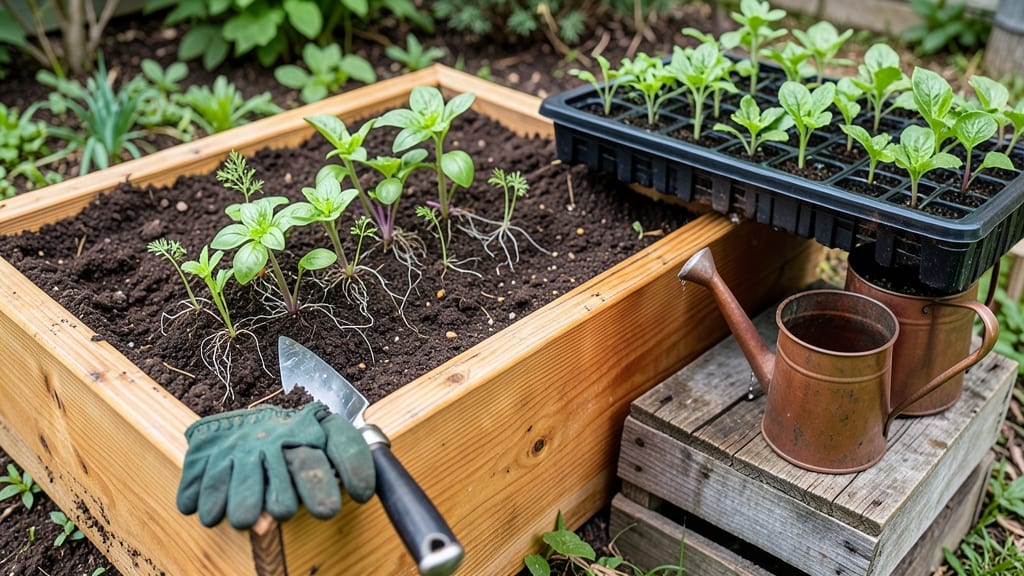
The purpose of raised garden beds is to optimize plant growth by improving drainage, accelerating soil warmth, and eliminating soil compaction, while creating a more manageable and productive gardening space for all experience levels. They also allow precise control over soil composition and minimize erosion risks.
Raised garden beds create a controlled environment where plants thrive by preventing waterlogging and promoting root health. 🌱 The elevated design allows soil to warm up faster in spring, giving plants a head start, while the loose soil structure prevents the crushing that happens in ground beds.
This setup is especially valuable for urban gardeners or those with poor-quality native soil, as you can customize the growing medium with compost and nutrients tailored to specific plants.
Beyond plant performance, these beds make gardening more accessible. Their waist-height design reduces strain for people with mobility challenges, while the contained space helps deter weeds and pests naturally. I’ve seen firsthand how raised beds transform small spaces into productive gardens—even on balconies or patios.
The key is proper bed construction and ongoing soil maintenance to keep those benefits coming.
💡 In This Article
- How Raised Garden Beds Boost Plant Health and Soil Quality
- Best Uses for Raised Garden Beds in Home Gardening
How raised garden beds boost plant health and soil quality
The real magic of raised garden beds happens below the surface—literally. These structures create an ideal environment for roots by eliminating the common problems of ground soil. In traditional in-ground gardens, soil becomes compacted over time from foot traffic, rain, and machinery, which restricts root growth and oxygen flow.
Raised beds solve this by using loose, aerated soil that roots can easily penetrate. Studies show plants in raised beds develop root systems that are 30-50% larger than those in compacted ground soil, giving them better access to water and nutrients.
Temperature control is another game-changer. The elevated design allows sunlight to warm the soil 2-3 weeks earlier in spring compared to ground beds, giving cold-sensitive crops like tomatoes and peppers a critical head start.
The depth of most raised beds (typically 6-12 inches) also helps maintain consistent soil temperatures, preventing the extreme fluctuations that can stress plants. This thermal advantage is particularly noticeable in early spring when ground soil remains cold for weeks. The result?
Faster germination and stronger early growth that translates to bigger yields by season's end.
Nutrient management becomes precision engineering in raised beds. Unlike ground soil, which can be inconsistent or contaminated, you can create a custom growing medium by mixing 60% topsoil, 30% compost, and 10% perlite or vermiculite for perfect drainage and aeration.
This controlled environment prevents nutrient leaching that occurs in heavy clay soils, while the contained space allows you to amend the soil annually without the labor of tilling large areas.
The lack of soil contact with surrounding ground also reduces competition from weeds and soil-borne diseases that thrive in saturated ground conditions.
Let's talk about the science of water management. Raised beds act like natural wicking systems—the sides allow excess water to drain away while the soil retains moisture efficiently. This prevents the waterlogging that drowns roots and creates anaerobic conditions where harmful bacteria thrive.
The ideal moisture balance in raised beds supports beneficial microbial activity that breaks down organic matter into plant-available nutrients. For example, a well-built raised bed might hold 20-30% more moisture than ground soil while still providing excellent drainage—a perfect balance for most vegetables.
Weed suppression works through both physical and biological mechanisms. The contained space makes it easier to remove weeds before they establish deep roots, while the dense planting arrangement creates natural shade that inhibits weed seeds from germinating. Many gardeners report 70-80% fewer weeds in raised beds compared to ground gardens.
This isn't just about aesthetics—fewer weeds mean less competition for your plants' resources, leading to healthier growth and higher productivity. The elevated design also makes it easier to spot and remove weeds early, before they become problematic.
For those concerned about erosion, raised beds provide an elegant solution. The contained structure prevents soil from washing away during heavy rains, while the loose soil composition allows water to infiltrate rather than run off. This is particularly valuable in sloped areas or regions with heavy rainfall.
The result is less soil loss and more stable growing conditions throughout the season. Plus, the ability to customize soil composition means you can create the perfect growing medium for your specific climate and plant types.