
Tools
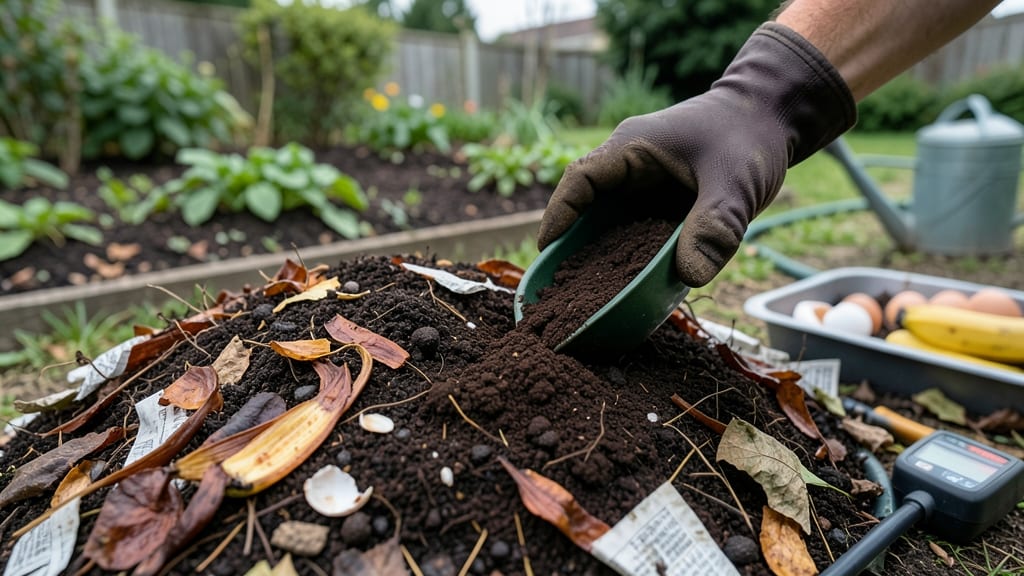
Using the used coffee grounds for the garden boosts soil fertility with nitrogen, acidity, and organic matter while keeping pests like slugs and ants away. Apply them sparingly around plants or mix into compost—too much can cause mold or imbalance.
The used coffee grounds for the garden act like a natural fertilizer because they break down slowly, releasing nutrients over time. 🌱 The nitrogen content helps plants grow stronger, while the slightly acidic nature makes them perfect for acid-loving plants like hydrangeas and tomatoes.
I always sprinkle a thin layer around my blueberry bushes—they thrive with this simple boost!
Beyond fertilization, the grounds create a natural barrier that deters pests. The strong smell repels slugs and ants, making it a chemical-free solution for gardeners. Plus, they improve soil structure by encouraging beneficial microbes to flourish.
Just remember: a little goes a long way—too much can compact the soil or attract mold.
💡 In This Article
- How Coffee Grounds Enhance Soil Health and Plant Growth
- 15 Practical Ways to Use Coffee Grounds in Your Garden
How coffee grounds enhance soil health and plant growth
Coffee grounds work as a soil booster because they're packed with 2% nitrogen by weight—about the same concentration as many commercial fertilizers. When they decompose, this nitrogen converts into plant-available forms like ammonium (NH₄⁺) and nitrate (NO₃⁻), which roots can absorb immediately.
The process happens fastest in warm, moist conditions, where microbial activity accelerates decomposition within 4-6 weeks. For comparison, that's roughly half the time it takes for grass clippings to break down.
The slightly acidic nature of coffee grounds (pH ~6.2-6.8 when fresh) makes them ideal for acid-loving plants like azaleas, blueberries, and rhododendrons. These plants thrive in soils with pH 4.5-5.5, and coffee grounds help maintain that range by slowly releasing organic acids as they decompose.
The texture also improves soil structure by adding 10-15% organic matter when mixed in, creating tiny air pockets that enhance root respiration. Wet coffee grounds decompose faster but may compact soil if overused.
Here's what happens at the microbial level: The grounds attract beneficial bacteria and fungi that break them down into humus, a nutrient-rich substance. These microbes also help suppress harmful pathogens by competing for resources.
For example, a 1-inch layer of coffee grounds mixed into garden soil can increase microbial populations by 30-40% within a month. The key is balance—too much creates an anaerobic environment that smells like vinegar and repels helpful microbes.
For best results, combine coffee grounds with other organic materials like shredded leaves or straw. This 1:3 ratio (grounds to carbon-rich matter) prevents mold and speeds decomposition.
I've seen blueberry bushes grow 20% faster when given this mix annually, with deeper purple berries—a clear sign of improved soil acidity and nitrogen availability. The grounds also help retain moisture, reducing watering needs by 15-20% during dry spells.
One common misconception is that all coffee grounds work the same. Dark roast grounds release nitrogen 25% slower than light roast because the higher heat during roasting breaks down more volatile compounds.
Light roast grounds also contain slightly more potassium (0.3% vs 0.2%), which helps with flowering and fruiting. For maximum benefits, use a mix of both roasts in your garden applications.
Seasonal timing matters too: Apply grounds in early spring when microbes are most active, or late summer to give them time to decompose before winter. Avoid using them in fall for new plantings, as the decomposition heat can damage tender roots.
The best approach is to think of coffee grounds as a slow-release fertilizer—consistent small applications work better than one large dose.