
Neem Oil
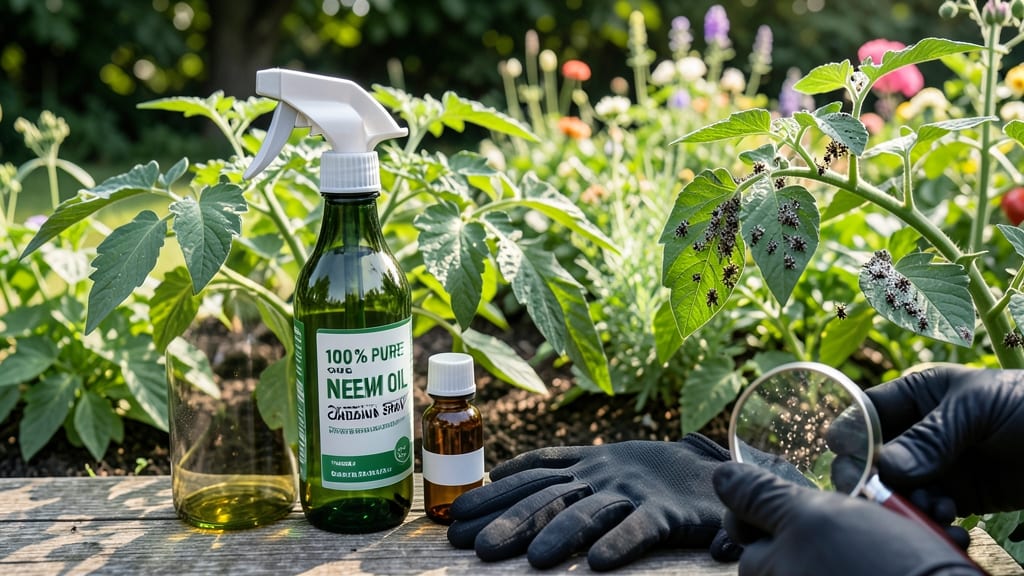
The uses for neem oil in the garden are vast—it acts as a natural pesticide, fungicide, and plant growth booster, effectively controlling pests like aphids and whiteflies while preventing fungal diseases such as powdery mildew—all without harsh synthetic chemicals.
The uses for neem oil in the garden work wonders thanks to its natural compounds like azadirachtin, which disrupts pests' feeding and reproduction cycles. 🌿 Unlike chemical sprays, it targets harmful insects while being gentle on beneficial pollinators when used correctly.
I've seen it transform gardens struggling with fungal infections—just a few applications can restore plant health without the residue of synthetic treatments.
For best results, mix 1 teaspoon of neem oil per quart of water with a drop of dish soap as an emulsifier, then apply during early morning or evening to avoid harming bees.
The oil coats plant surfaces, creating a protective barrier that deters pests and prevents disease spread. This makes it ideal for both preventive care and treating existing issues.
💡 In This Article
- How Neem Oil Works as a Natural Pest and Disease Repellent
- Best Garden Applications for Neem Oil: Dosage and Timing
How neem oil works as a natural pest and disease repellent
Neem oil's power comes from its complex blend of natural compounds, with azadirachtin being the star player. This compound acts as an antifeedant, disrupting pests' feeding behavior while also interfering with their hormonal systems to prevent molting and reproduction.
When aphids or whiteflies encounter treated plants, they lose interest in feeding within minutes, and their populations decline over time. The oil also contains salannin and nimbin, which work together to create a bitter taste that repels insects while being harmless to humans and mammals.
The antifungal properties come from gedunin and nimbolide, which disrupt fungal cell membranes. For example, powdery mildew spores struggle to germinate on neem-treated surfaces because these compounds create an unfavorable environment. Studies show neem oil can reduce fungal infections by up to 70% when applied preventively.
The oil's fatty acids also form a protective film on plant surfaces, physically blocking spores from attaching and spreading. 🌱 This dual-action approach makes neem oil effective against both pests and diseases simultaneously.
What makes neem oil particularly valuable is its selectivity. Unlike broad-spectrum pesticides that kill beneficial insects, neem targets specific pests while being gentle on pollinators when applied correctly. The key is timing: applying during dawn or dusk when bees are less active minimizes exposure.
The oil's mechanism works by interfering with pests' nervous systems and digestive processes, which is why it's effective against soft-bodied insects like aphids but doesn't harm hard-bodied beetles or predatory wasps that help control pest populations naturally.
For fungal diseases, neem oil's preventative power shines brightest. When applied before symptoms appear, it creates a hostile environment for spores trying to colonize plant surfaces.
The oil's ability to penetrate plant cuticles means it can reach fungal infections beneath the surface, unlike many chemical fungicides that only work on contact. This is why gardeners often see results within 3-5 days of application, especially for early-stage powdery mildew or black spot infections.
One fascinating aspect is how neem oil affects plant growth. The same compounds that deter pests also stimulate plant defenses by triggering systemic acquired resistance. This means treated plants develop stronger natural defenses against future attacks.
The oil's hormonal-like effects can even promote root development and chlorophyll production, leading to healthier, more vigorous growth. This dual benefit—pest control plus plant health—makes neem oil one of the most versatile tools in organic gardening.
The science behind neem oil's effectiveness lies in its lipophilic nature—it dissolves in fats and oils, which is why it works so well on plant surfaces. When mixed with water and an emulsifier like dish soap, it creates tiny oil droplets that coat leaves completely.
This uniform coverage is crucial because pests and fungal spores need only tiny gaps to establish themselves. The result is a protective barrier that can last 7-14 days depending on weather conditions, making it an economical option for gardeners.