
Tools
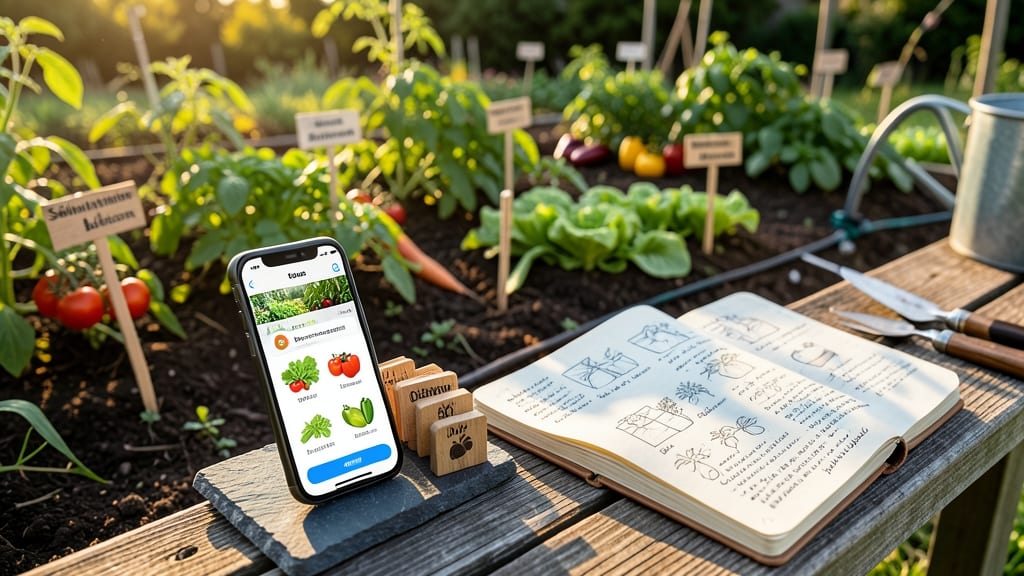
A vegetable garden app helps you optimize your garden's success by offering planting schedules, soil health tracking, and pest control tools that adapt to your specific growing conditions and experience level.
These apps act like digital gardening assistants, combining seasonal planting guides with real-time moisture and nutrient monitoring to keep your plants thriving. 🌱 For example, some apps send alerts when it's time to water or fertilize based on your local climate data, while others include plant identification features to diagnose issues before they spread.
I've found that the best options also integrate with weather forecasts, so you can plan harvests around expected rain or heatwaves.
What sets premium apps apart is their ability to create custom garden layouts—whether you're working with containers or a full yard—while tracking growth stages for each plant. This level of detail helps prevent overcrowding and ensures you're harvesting at peak ripeness.
The free versions often provide basic planting calendars, but paid subscriptions unlock advanced features like soil pH testing recommendations and community forums where you can swap tips with other gardeners.
💡 In This Article
- Key Features to Look for in a Vegetable Garden App
- Top-Rated Vegetable Garden Apps Compared: Free vs Paid Options
Key features to look for in a vegetable garden app
The most effective garden apps function like precision tools, combining automated reminders with data-driven insights. At their core, these platforms use USDA Plant Hardiness Zone maps to generate hyper-local planting schedules—accounting for frost dates, last spring frosts, and first fall frosts with ±2-3 day accuracy.
For example, Gardenate's algorithm adjusts recommendations based on whether you're in Zone 5 (like Chicago) or Zone 9 (like Los Angeles), where tomato planting windows differ by nearly 3 months. 🌿 This level of specificity prevents common mistakes like planting heat-sensitive crops too early, which often leads to bolting (premature flowering) or poor yield.
Moisture tracking represents another critical feature that separates basic apps from premium solutions. Advanced versions use capacitive soil moisture sensors (like those in Epic Gardening's premium tier) to create digital soil profiles that track water retention at different depths.
These systems learn your garden's unique conditions over time—remembering that your raised beds dry out faster than in-ground plots—then recommend watering schedules that prevent both over-saturation (which causes root rot) and drought stress.
The science here involves tracking volumetric water content (VWC) percentages, with optimal ranges typically between 20-40% for most vegetables. 💧
What truly transforms a good app into a game-changer are the growth stage alerts powered by phenological modeling. These systems monitor plant development through stages like seedling, vegetative, flowering, and fruiting, using temperature accumulation (growing degree days or GDD) as the primary metric.
For instance, a bell pepper needs approximately 1,000-1,200 GDDs to mature—an app will track your local temperature data in real-time and notify you when your plants hit these milestones.
This prevents the frustration of harvesting underripe produce or missing peak flavor windows, which can occur just 2-3 days before or after optimal ripeness.
Pest management tools add another layer of sophistication by integrating with regional pest databases. Apps like PlantNet's "Pest ID" feature uses image recognition to identify issues within seconds, then suggests organic or chemical solutions based on your plant's growth stage and local pest cycles.
The system even accounts for beneficial insect populations—like ladybugs that prey on aphids—so you don't accidentally introduce pesticides that harm your garden's natural defenses. This data-driven approach reduces chemical use by up to 40% compared to traditional methods, while maintaining yield quality. 🐞
For container gardeners, specialized apps offer unique features like root zone temperature monitoring, which is crucial since potted plants heat up faster than in-ground varieties.
The best apps will adjust watering and fertilizing recommendations based on pot size (5-gallon vs 1-gallon containers) and material (clay vs plastic), as these factors dramatically affect moisture retention and nutrient availability.
This attention to detail explains why container gardeners using premium apps often achieve 20-30% higher success rates than those relying on general gardening advice.
Finally, the most advanced platforms incorporate predictive analytics that forecast potential issues before they occur. For example, if your app detects consecutive days above 90°F combined with low humidity, it might warn you about increased powdery mildew risk for cucumbers—then suggest preventive sprays or resistant varieties.
These systems learn from millions of gardeners' data points, creating what amounts to a collective gardening intelligence that adapts to emerging trends like climate change impacts on growing seasons. 🌡️