
Planting
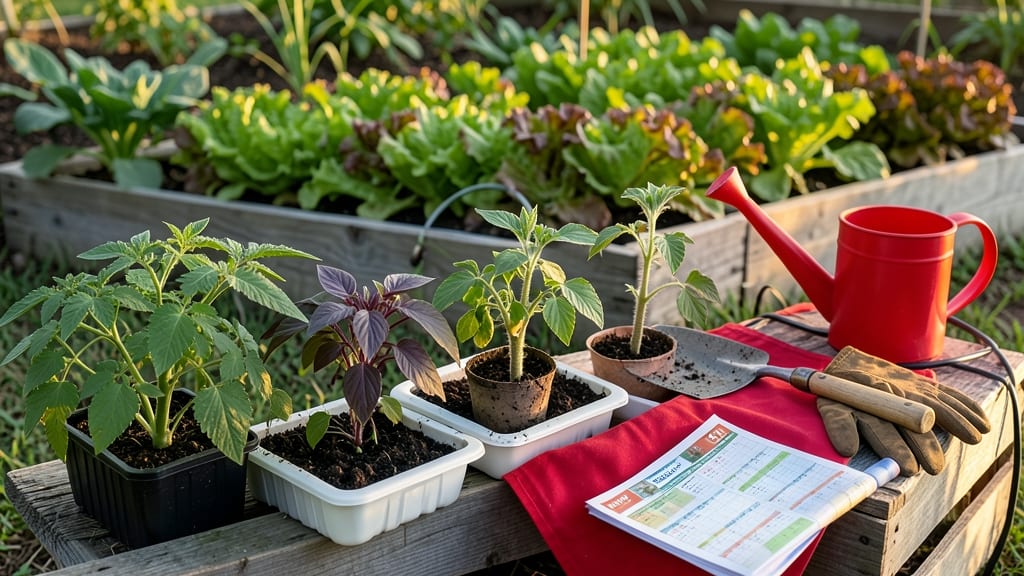
Planting your vegetable garden in Florida at the right time means the difference between a bumper crop and seeds that never sprout 🥬—because Florida’s heat zones (8a–11) throw off the usual planting rules.
Picture this: You drop seeds into the soil in May, only to watch them wilt by June as temperatures soar. Or you plant lettuce in August and harvest bolting greens instead. Florida’s subtropical climate demands a heat-zone-specific schedule, not a one-size-fits-all chart.
Below, I break down the exact months to plant warm-season crops (like tomatoes and peppers) versus cool-season veggies (such as broccoli and spinach), plus how to adjust for North Florida’s rare cold snaps or South Florida’s year-round growing potential.
You’ll also learn how to stretch your planting window with shade cloth, mulching, and succession planting—so you’re harvesting something fresh every month, even in the dog days of summer.
Florida heat zones explained: how they affect planting months
Florida’s 11 USDA heat zones (8A-10B) create dramatic differences in planting windows, even between cities just 100 miles apart. In Zone 8A (North Florida), like Gainesville, cool-season crops like broccoli can bolt in March, while Zone 10B (South Florida), like Miami, lets you grow tomatoes year-round.
These zones determine when to plant warm-season vs. cool-season vegetables, and ignoring them means wasted seeds or stunted plants.
The key difference? Zone 8A-9A (North/Central FL) has cooler winters, allowing fall/winter cool-season crops, while Zone 10A-10B (South FL) stays warm enough for heat-loving crops like peppers and eggplants year-round.
For example, in Orlando (Zone 9A), you’ll plant lettuce in October, but in Miami (Zone 10B), you can grow it in January without risking frost. Understanding your zone means doubling your harvest by planting at the perfect time.
| Zone | City Example | Cool-Season Window | Warm-Season Window | Key Crops |
|---|---|---|---|---|
| 8A | Gainesville | Oct–Mar | Apr–Sep | Broccoli, Kale, Tomatoes, Peppers |
| 8B | Ocala | Sep–Apr | Mar–Oct | Spinach, Carrots, Okra, Eggplant |
| 9A | Orlando | Sep–May | Feb–Nov | Lettuce, Cabbage, Sweet Potatoes, Cucumbers |
| 9B | Tampa | Aug–Jun | Jan–Dec | Peas, Radishes, Tomatoes, Peppers |
| 10A | Fort Myers | Jul–Jun | Year-round | Green Beans, Corn, Okra, Basil |
| 10B | Miami | Year-round (shade) | Year-round | Lettuce, Tomatoes, Peppers, Eggplant |
In Zone 8A, where winters dip into the 40s°F, cool-season crops like kale and spinach thrive from October to March, but tomatoes planted in April will bolt if temperatures spike early.
Meanwhile, in Zone 10B, you can direct-sow tomatoes in January and harvest them by April—something impossible in North Florida. The 10°F difference between zones means 6-8 extra weeks of growing time for heat-sensitive crops like cucumbers or squash.
Take tomatoes as an example: In Orlando (Zone 9A), plant seeds indoors in February and transplant after April 15 to avoid heat stress. But in Miami (Zone 10B), you can plant seeds year-round with shade cloth in peak summer.
The same logic applies to peppers—they’ll produce faster in South Florida because they don’t experience the cool snaps that stall growth in North Florida.
For cool-season crops like broccoli or carrots, timing is critical. In Zone 8A, plant in September for a winter harvest, but wait until October in Zone 9A to avoid heat damage.
Even radishes, which grow in just 25 days, need cooler temps—plant them in fall in North Florida and winter in South Florida. The 1-month shift in planting windows between zones can mean the difference between a bountiful harvest and bitter greens.
Heat zones also dictate succession planting strategies. In Zone 10B, you can plant bush beans every 2 weeks from February to November, while in Zone 8A, you’re limited to March–July.
This means South Florida gardeners enjoy 3x more harvests of fast-growing crops like lettuce or bok choy compared to their North Florida counterparts. Even herbs like basil behave differently—plant in spring/fall in Zone 8A, but grow year-round in Zone 10B with afternoon shade.
Don’t overlook microclimates within zones. A hilltop garden in Zone 9A may feel like Zone
Month-by-month planting calendar for Florida vegetables
Florida’s unique climate lets you grow vegetables year-round, but timing matters—especially with heat zones 8A-11. Cool-season crops like broccoli and lettuce thrive in winter, while heat-lovers such as tomatoes and peppers need spring/fall planting.
North Florida’s Zone 8A faces rare cold snaps, while South Florida’s Zone 10B enjoys year-round warmth. Use this schedule to align planting with Florida’s two distinct growing seasons and avoid wasted seeds.
Start with soil prep in early spring and fall—amend beds with compost and adjust pH for specific crops. For example, tomatoes prefer slightly acidic soil (pH 6.0–6.8), while peppers thrive in neutral soil (pH 6.0–7.0).
Mulch heavily in summer to retain moisture and protect roots from extreme heat. Below, we break down monthly planting windows for Florida’s top vegetables, including succession planting tips for continuous harvests.
| Month | Cool-Season Crops (Direct Sow) | Warm-Season Crops (Transplant) | Key Tips |
|---|---|---|---|
| January | Lettuce, Spinach, Kale, Broccoli, Carrots | Onions (sets), Cabbage | Protect from rare cold snaps with frost cloth. Zone 8A: Wait until mid-January. |
| February | Peas, Radishes, Turnips, Collards | Potatoes (tubers) | Start succession plantings every 2 weeks for continuous harvests. |
| March | Green Beans, Beets, Swiss Chard | Tomatoes, Peppers, Eggplants (after last frost) | Hardening off transplants before moving outdoors. Use shade cloth for young plants. |
| April | None (transition month) | Okra, Sweet Potatoes, Cucumbers | Mulch heavily to retain moisture. Avoid overwatering seedlings. |
| May | None | Corn, Southern Peas, Watermelon | Use drip irrigation to prevent fungal diseases in summer heat. |
| June | None | Peppers, Tomatoes (succession plant) | Prune tomato suckers to improve airflow. Watch for aphids. |
| July | None | Sweet Corn, Pumpkins, Summer Squash | Harvest early morning to beat heat. Provide afternoon shade for young plants. |
| August | None | Okra, Southern Peas, Green Beans (heat-tolerant) | Monitor for squash vine borers. Use row covers if needed. |
| September | Lettuce, Spinach, Broccoli, Cabbage | Tomatoes, Peppers, Eggplants (fall crop) | Soil test and amend for fall planting. Use slow-release fertilizer. |
| October | Carrots, Radishes, Turnips, Kale | Onions, Garlic (for winter harvest) | Plant garlic in October for spring harvest. Mulch with straw. |
| November | Peas, Lettuce, Spinach, Collards | None | Zone 8A: Use row covers to extend growing season. Harvest before frost. |
| December | Broccoli, Cabbage, Carrots, Beets | None | Focus on slow-growing crops. Avoid planting heat-lovers. |
For