
Watering
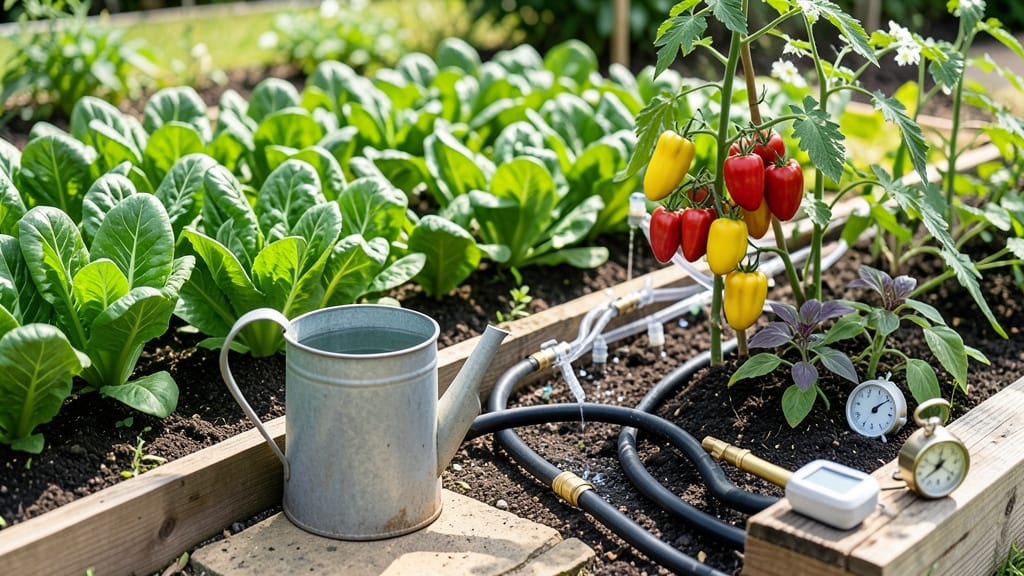
Your vegetable garden’s watering frequency isn’t just about guessing—it’s the difference between lush harvests and wilted disappointment.
Picture this: You’ve spent weeks nurturing your 🥬 garden, only to watch your tomatoes crack or your lettuce bolt because of inconsistent water. The problem? Most gardeners water based on habit, not science.
But here’s the game-changer: a tailored schedule that accounts for plant type, soil, and even the time of day.
From leafy greens that crave frequent, shallow drinks to root crops that need deep, infrequent soaks, every vegetable has its own rhythm. Throw in variables like clay soil, heatwaves, or drip irrigation, and you’ve got a puzzle only a data-backed approach can solve.
Below, I break down the exact watering intervals for 12+ staples—plus how to tweak them for your climate and stage of growth—so you can finally stop second-guessing and start thriving.
Science-backed watering frequency for common vegetables
Watering your vegetable garden isn't a one-size-fits-all task. Each plant has unique needs based on its growth stage, root depth, and climate zone. According to USDA research, most gardeners overwater by 30%—leading to wasted resources and stressed plants.
Let's dive into the science-backed watering schedules for 12 essential vegetables to keep your garden thriving.
For optimal results, water in the early morning (6-9 AM) to reduce evaporation and fungal risks. Always aim for 1-2 inches of water per week, adjusting for rainfall.
Sandy soils drain faster, while clay holds moisture longer—so test your soil's moisture level by sticking your finger 2 inches deep. If it's dry, it's time to water.
Here’s a breakdown of watering frequencies for common vegetables, including seasonal adjustments and key triggers to avoid common issues like blossom-end rot in tomatoes or bolting in lettuce.