
Planting
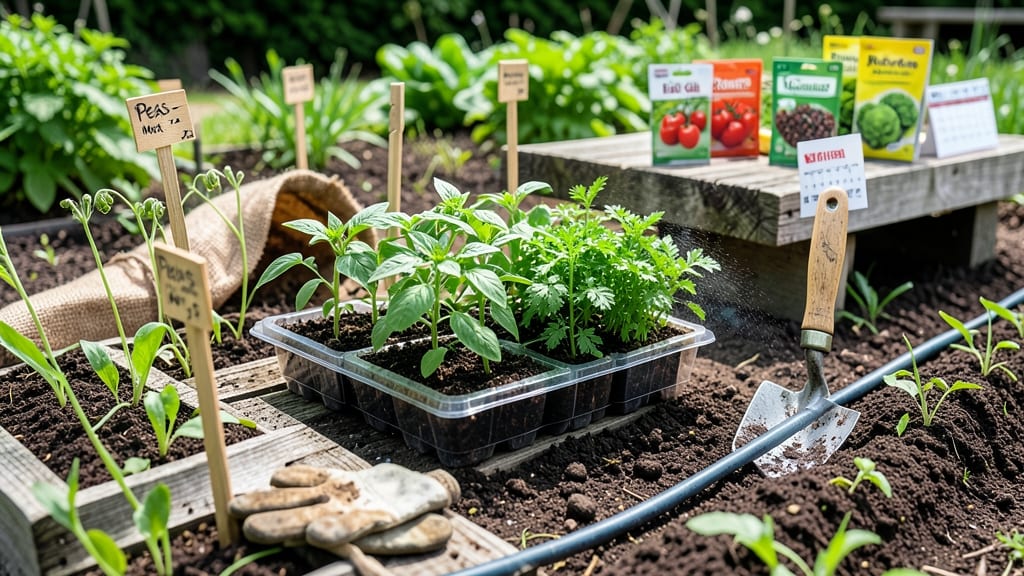
Planting a vegetable garden in New Jersey at the right time means the difference between a bountiful harvest and a season of disappointment.
New Jersey gardeners know timing is everything—plant too early and risk frost damage, too late and miss peak harvests. Mastering the perfect planting windows for NJ’s unique climate can mean the difference between a thriving garden and a wasted season.
With USDA zones 6a-7b and microclimates ranging from coastal breezes to inland heat, your 🥬 vegetable garden thrives when you align planting with soil warmth and frost-free dates. Whether you're sowing cool-season greens in spring or warm-season tomatoes in summer, the key is knowing when to start.
Below, I’ll break down the exact planting schedule for NJ, from early spring to late fall, so you can maximize yields and avoid common mistakes. Let’s get those seeds in the ground at the right time!
New Jersey’s frost-free dates & soil temperature zones for vegetable planting
New Jersey’s USDA Hardiness Zones 6a-7b create a unique gardening puzzle—where northern NJ (like Sussex County) faces colder springs, while southern NJ (like Cape May) enjoys 10-14 extra frost-free days. These differences mean your tomato seeds might thrive 3 weeks earlier in Atlantic City than in Morristown.
Understanding these zones helps you align planting with soil warmth, not just calendar dates.
Rutgers Cooperative Extension tracks average last frost dates across NJ, but your microclimate matters more. Coastal areas (like Ocean City) often see frost 2 weeks later than inland zones (like Trenton).
For most of NJ, April 15 is the safe last frost date, but northern counties should wait until May 1 for warm-season crops like peppers and eggplants.
Soil temperature is the real game-changer. Cold-season crops (like spinach and peas) tolerate 40-50°F soil, while warm-season crops (like tomatoes and cucumbers) need 60-70°F. A soil thermometer is your best tool—plant warm-season crops only when soil stays above 60°F for 5+ days.
Here’s how NJ’s regions break down for planting:
| Region | Avg. Last Frost | USDA Zone | Ideal Soil Temp for Warm Crops | Planting Window |
|---|---|---|---|---|
| Northern NJ (Bergen, Passaic, Sussex) | May 1 | 6a (-10°F to -5°F) | 65-70°F (wait until late May) | Late April (cool crops) / Late May (warm crops) |
| Central NJ (Mercer, Middlesex, Monmouth) | April 15 | 6b (-5°F to 0°F) | 60-65°F (early May) | Early April (cool crops) / Early May (warm crops) |
| Southern NJ (Atlantic, Cape May, Camden) | April 1 | 7a (0°F to 5°F) | 55-60°F (late April) | Mid-March (cool crops) / Late April (warm crops) |
| Coastal NJ (Ocean, Burlington) | April 10 | 7b (5°F to 10°F) | 50-55°F (early April) | Early March (cool crops) / Early April (warm crops) |
Source: Rutgers Cooperative Extension, NJ State Climate Office
For cool-season crops, like lettuce and kale, start seeds 4-6 weeks before your last frost. In northern NJ, that means mid-March for spinach, while southern NJ gardeners can plant broccoli as early as February.
Use row covers to protect seedlings from late frosts—even in Zone 7b, a 28°F night can kill tender basil.
Warm-season crops are trickier. Tomatoes and peppers need consistent warmth, so wait until soil temps hit 60°F (use a soil thermometer to check!).
In central NJ, that’s usually early May, but coastal areas can plant 2 weeks earlier. Direct-sowing crops like beans and corn can handle slightly cooler soil (55°F), so they’re safer to plant 1-2 weeks before tomatoes.
Don’t forget fall planting! NJ’s first frost typically hits October 31, but cool-season crops can still thrive if planted by mid-August. Kale and carrots sweeten after frost, making them perfect for fall harvests.
Use black plastic mulch to warm soil for late-season tomatoes or straw mulch to insulate spinach beds.
Pro tip: Check Rutgers’ NJ Weather Network for real-time soil temps. Their Garden Hotline (1-888-234-2925) offers localized frost alerts—a lifesaver for first-time NJ gardeners. With these zone-specific guidelines, you’ll avoid the common mistakes of planting too early (frost damage) or too late (missed harvest
Best planting schedule by vegetable type for NJ gardens (cool vs. warm season)
New Jersey’s diverse climate means your vegetable garden can thrive year-round with the right planting strategy. Cool-season crops like spinach and kale love the crisp air of early spring and fall, while tomatoes and peppers need the warmth of summer.
Timing these plantings correctly ensures you avoid frost damage and maximize harvests.
For cool-season vegetables, start seeds indoors 4-6 weeks before your last frost date (typically mid-April in NJ). Transplant seedlings outdoors 2-3 weeks before the last frost, while warm-season crops should wait until soil temperatures reach at least 60°F, usually 2-3 weeks after the last frost.
Succession planting—sowing new seeds every 2-3 weeks—keeps your harvests consistent.
Here’s my month-by-month planting guide for NJ’s top 12 vegetables, broken down by season. Use this to plan your garden and avoid common mistakes like bolting greens or stunted tomatoes.
- March-April (Cool Season): 🥬 Plant spinach, kale, peas, and lettuce outdoors. Start broccoli and cabbage indoors.
- May (Transition Month): 🌿 Finish cool-season crops like radishes and carrots. Start warm-season crops (e.g., tomatoes, peppers) indoors or use row covers for early outdoor planting.
- June-July (Warm Season Peak): ☀️ Plant cucumbers, squash, beans, and corn outdoors. Transplant tomatoes and peppers after last frost (mid-May).
- August (Fall Prep): 🌻 Start cool-season crops again for fall harvests. Sow spinach, kale, and radishes outdoors. Use shade cloth for tender warm-season crops.
- September-October (Fall Harvest): 🍂 Extend harvests with broccoli, cauliflower, and brussels sprouts. Protect plants from early frosts with row covers or straw mulch.
Pro tip: Use succession planting for fast-growing crops like radishes or lettuce. Sow a new batch every 2 weeks to ensure a steady supply. For warm-season crops, stagger plantings every 3-4 weeks to extend harvests into late summer or early fall.
In northern NJ, where frosts linger longer, delay warm-season planting by 1-2 weeks. Conversely, southern NJ gardeners can push the season earlier. Always check soil temperatures with a soil thermometer—warm-season crops like peppers need soil at 70°F+ to thrive.
By following this schedule, you’ll avoid the heartbreak of frost-bitten seedlings or bolted greens and enjoy a garden that produces fresh veggies from spring through fall. Happy planting!