
Flowers
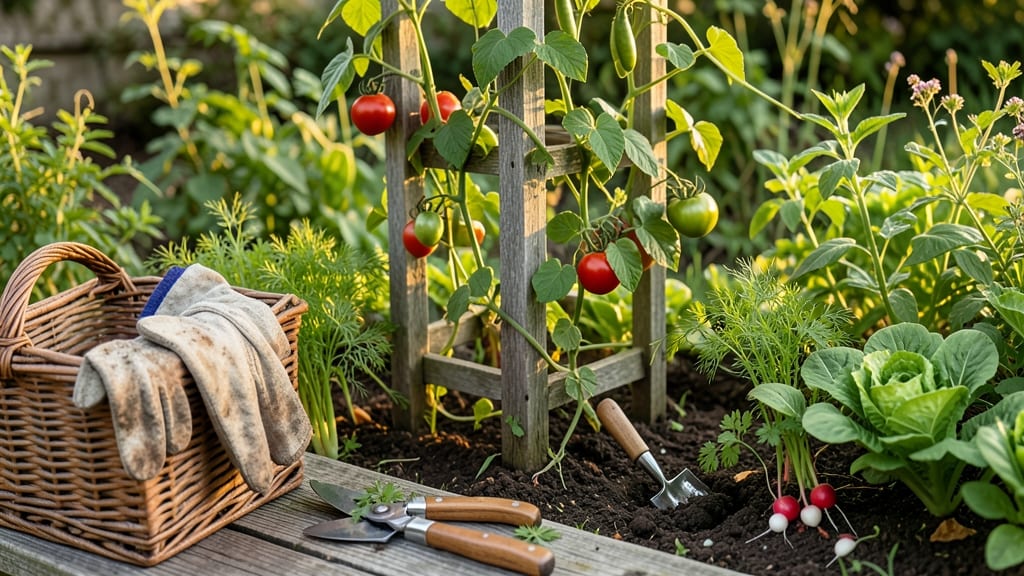
Understanding victory gardens meaning reveals their dual purpose: they began as wartime food production initiatives during World War I and II to combat shortages and strengthen national morale, while today they represent a grassroots movement for self-reliance and eco-friendly living through homegrown produce.
These gardens emerged as a patriotic response to food rationing, with governments encouraging citizens to grow vegetables in backyards, balconies, and even rooftops. 🌱 The movement wasn't just about feeding families—it was a psychological boost, proving communities could contribute meaningfully to the war effort.
Today, victory gardens have evolved into a symbol of modern sustainability, proving that small-scale gardening can make a big impact on both personal food security and environmental health.
What's fascinating is how the core principles remain the same: growing your own food reduces dependence on industrial agriculture, cuts carbon footprints, and fosters community connections.
Many urban gardeners now use container gardening or vertical spaces to grow herbs and vegetables, adapting the original victory garden concept to today's urban landscapes. The movement has even inspired "victory gardens" for pollinators, planting native flowers to support bee populations—a perfect blend of history and contemporary needs.
💡 In This Article
- How Victory Gardens Originated During World War I and II
- Modern Victory Gardens: Purpose and Gardening Tips
How victory gardens originated during world war I and II
Victory gardens emerged as a direct response to wartime food shortages, beginning in World War I when the U.S. government launched the "Food Will Win the War" campaign in 1917. 🌱 The idea was simple yet powerful: by growing food at home, families could reduce demand on commercial supplies, freeing up more produce for soldiers overseas.
During WWI, these gardens produced about 40% of the nation's vegetables, with over 5 million gardens cultivated across America. The movement gained even more urgency in WWII when President Roosevelt's wife, Eleanor, planted the first official White House garden in 1943, sparking a national trend.
The psychological impact was just as significant as the practical benefits.
Gardens became symbols of patriotism and self-sufficiency, with families taking pride in their contributions. 🇺🇸 Propaganda posters featured cheerful gardeners alongside slogans like "Dig for Victory" (UK) and "Grow Your Own," creating a cultural shift where gardening was seen as a civic duty.
Food rationing made staples like meat and sugar scarce, forcing families to rely on homegrown vegetables, which were often more nutritious and fresher than store-bought options during that era.
What made victory gardens so effective was their adaptability. Urban dwellers grew vegetables in window boxes and rooftops, while rural families expanded their plots. 🏡 The U.S. Department of Agriculture provided free seeds and gardening guides, and schools taught children how to grow food as part of their curriculum.
By 1944, nearly 20 million victory gardens were producing 40% of the nation's produce—equivalent to the output of 41 million acres of farmland. This collective effort not only eased food shortages but also strengthened community bonds and national morale.
One fascinating detail is how these gardens addressed specific nutritional needs. During WWII, the government promoted "war gardens" as a way to combat vitamin deficiencies caused by rationing. 🥕 Leafy greens like kale and spinach were prioritized for their high vitamin A content, while root vegetables provided essential carbohydrates.
The success of these gardens proved that small-scale agriculture could make a massive difference during crises—a lesson that resonates today in discussions about food security.
The legacy of victory gardens lies in their dual purpose: they were both practical solutions and morale boosters. 💪 By reducing reliance on commercial food systems, they demonstrated how communities could mobilize resources during times of scarcity.
This historical context explains why the concept has seen a revival today, as modern gardeners seek to reclaim self-sufficiency and sustainability in an era of climate change and supply chain vulnerabilities.