
Watering
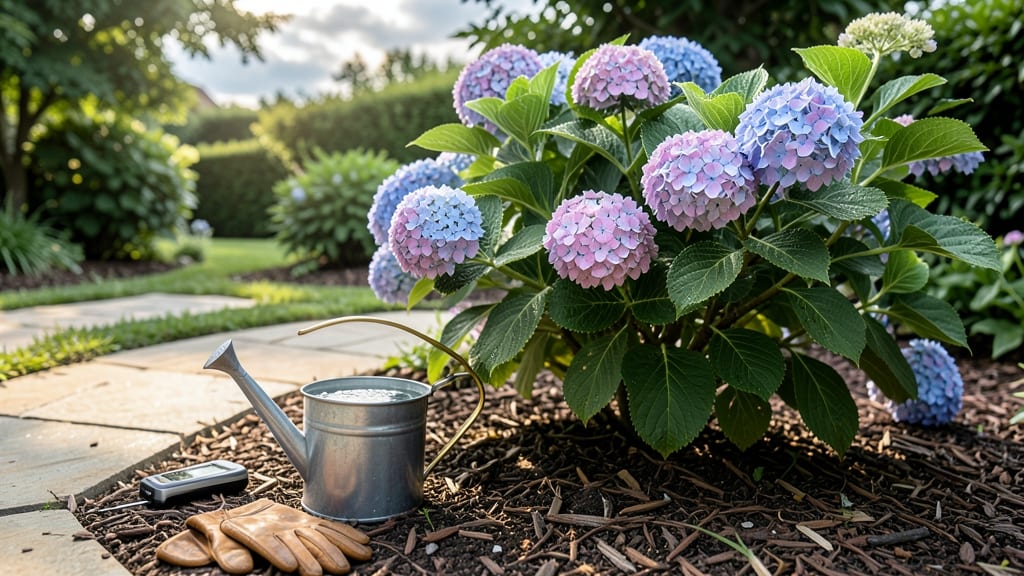
Watering garden at night harms plants by promoting fungal diseases, encouraging slug and pest activity, and slowing evaporation, which keeps soil too wet for root health. Morning or early afternoon watering is ideal instead.
Nighttime watering creates the perfect storm for plant problems. 🌙 When moisture lingers overnight, fungal spores like powdery mildew and root rot thrive in the damp, cool conditions. Plus, slugs and other pests become more active after dark, drawn to the wet soil where they can feast on tender leaves.
Even healthy plants struggle when their roots sit in soggy ground for hours, starved of oxygen and prone to rot. The key is timing—watering in the morning lets excess moisture evaporate quickly, while afternoon sessions avoid the midday heat stress that can scorch leaves.
For the best results, aim for early morning watering between 6 AM and 10 AM. This schedule gives plants a full day to absorb moisture before the heat of afternoon sets in.
If you must water in the evening, do so at least 3-4 hours before sunset to allow some drying time. Consider upgrading to a drip irrigation system, which delivers water directly to the roots without wetting foliage—reducing disease risk and saving water.
Always check soil moisture with your finger before watering; if the top inch feels damp, hold off until the next day.
💡 In This Article
- How Night Watering Damages Plant Health
- Best Times and Techniques for Healthy Garden Watering
How night watering damages plant health
Night watering creates an ideal environment for fungal infections because cool evening temperatures combined with high humidity slow evaporation. Fungal spores like Phytophthora (which causes root rot) and Botrytis cinerea (responsible for gray mold) thrive in these conditions.
Studies show fungal growth increases by up to 400% when soil remains damp overnight compared to morning watering, where sunlight helps dry the foliage within hours.
The problem extends beyond fungi—slugs, snails, and other pests become hyperactive after dark, drawn to the moist soil. A single slug can consume 0.1-0.2 square feet of leaf surface overnight, while fungal diseases can spread 10 times faster in humid nighttime conditions.
Even drought-resistant plants like succulents suffer when their roots sit in waterlogged soil, as oxygen levels drop below 10% (critical for root respiration) compared to well-drained morning soil.
Poor drainage becomes a silent killer at night. When water can't evaporate, it pools around roots, creating anaerobic conditions that produce toxic gases like ethanol and acetaldehyde. These chemicals damage root cells within 24-48 hours, while beneficial soil microbes—essential for nutrient uptake—die off in waterlogged conditions.
The result? Stunted growth, yellowing leaves, and plants that appear thirsty despite being overwatered.
Humidity plays a hidden role too. Nighttime watering increases ambient moisture levels by 15-25%, creating a microclimate that traps heat and slows transpiration. This forces plants to struggle with waterlogging stress while their stomata remain closed, preventing them from cooling down naturally.
Even hardy perennials like lavender or rosemary show signs of stress when subjected to nighttime moisture, with leaves developing brown edges from osmotic imbalances.
Consider this comparison: Morning watering allows 6-8 hours of sunlight to dry foliage, reducing fungal spores by 70% compared to nighttime. The difference is visible in just 3 days—plants watered in the morning show fewer signs of disease, while night-watered plants develop telltale powdery mildew or leaf spots.
The key lies in evaporation rates: daytime temperatures accelerate moisture loss, while nighttime conditions preserve dampness like a greenhouse effect.
What most gardeners overlook is how night watering disrupts the plant's natural circadian rhythm. Many plants, including tomatoes and peppers, have nighttime root activity—when soil stays saturated, this process is interrupted, leading to poor nutrient absorption.
The result? Even well-fertilized plants may show deficiencies like yellowing between veins (a classic sign of iron chlorosis) despite receiving adequate water.