
Pests
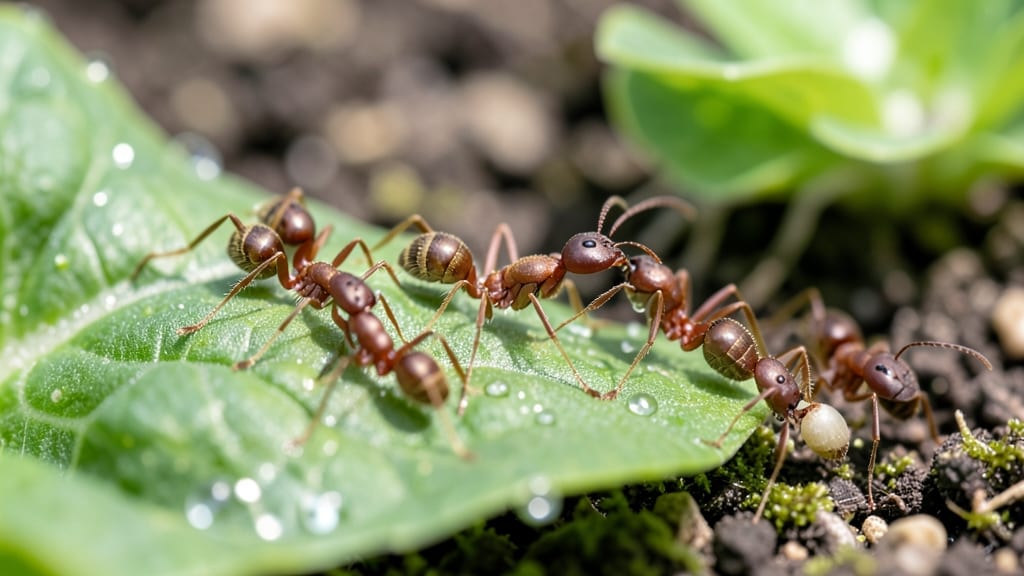
Whether ants in garden beds are good or bad depends on the species: some improve soil health by aerating it and controlling pests like aphids, while others damage roots or create conditions that attract harmful insects. Recognizing their behavior and type helps you decide how to respond.
Ants actually play a surprisingly complex role in garden ecosystems. 🌱 Many species act as natural pest controllers by preying on aphids, mites, and other small insects that can harm your plants. Their tunneling also improves soil drainage and aeration, which helps roots grow stronger.
However, certain ants—like fire ants or Argentine ants—can become aggressive, damaging plant roots or even creating mounds that disrupt your garden layout.
If you notice large ant trails or sudden plant decline, it's worth investigating further. The key is observing their behavior: are they foraging harmlessly, or are they building nests that threaten your plants? Understanding these differences lets you decide whether to welcome them or take action.
💡 In This Article
- How Ants Benefit Garden Soil and Plant Health
- Signs of Harmful Ants and How to Manage Them
How ants benefit garden soil and plant health
Ants act as tiny ecosystem engineers in your garden, performing critical functions that improve soil structure and plant vitality. Their most obvious contribution is soil aeration: as they dig tunnels and chambers, they create pathways that allow oxygen, water, and beneficial microbes to penetrate deeper into the soil.
Studies show that a single harvester ant colony can create up to 50 feet of tunnels per year, significantly enhancing drainage in compacted soil—similar to how earthworms improve soil health but on a different scale.
Their role extends to nutrient cycling too. Ants collect organic matter like fallen leaves and seeds, breaking them down into smaller pieces that decompose faster. This process enriches the soil with nitrogen and other essential nutrients, much like a natural composting system.
Some species, like fire ants, even cultivate fungi in underground chambers, creating nutrient-rich "gardens" that indirectly benefit nearby plants by releasing organic compounds into the soil. 🌱
One of their most valuable services is natural pest control. Ants are voracious predators of garden pests like aphids, mites, and caterpillars. A colony of 10,000 ants can consume 10,000 aphids per day, effectively reducing the need for chemical pesticides.
This predatory behavior helps maintain a balanced ecosystem, preventing outbreaks of harmful insects that could otherwise devastate your plants. Their presence often indicates a healthy, thriving garden.
However, not all ants contribute equally. Harvester ants, for example, primarily benefit soil health through their tunneling, while carpenter ants focus on wood decomposition rather than soil improvement.
The key difference lies in their foraging habits: some species act as cleanup crews, removing debris and dead plant material, while others may become opportunistic pests if food sources become scarce. This duality means their impact depends heavily on their species and behavior patterns.
Consider the Argentine ant as a case study: while they excel at controlling small pests, their aggressive colony expansion can sometimes lead to overcrowding, which may stress plants by competing for resources.
The balance between benefit and potential harm hinges on observing their activity levels and the specific needs of your garden. For instance, a vegetable garden might benefit more from their pest control than a flower bed where their tunneling could disrupt delicate root systems.
To maximize their benefits, encourage beneficial ant species by providing shady, moist areas with access to water and organic matter. Avoid disrupting their nests unless they're clearly causing harm—these tiny workers play a surprisingly large role in maintaining the health of your garden's foundation. 🔥