
Planting
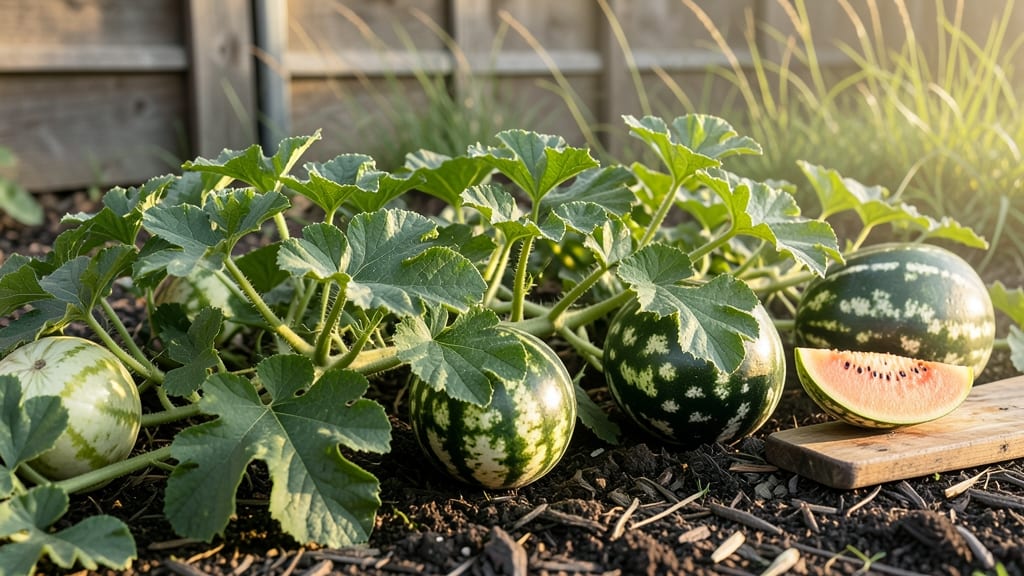
Spacing your watermelon garden correctly is the key to avoiding stunted fruit and wasted space—whether you’re growing sprawling vines or compact bush varieties.
Picture this: you’ve nurtured your 🍉 seedlings all season, only to watch them struggle under crowded conditions, producing tiny, bitter melons instead of the juicy giants you dreamed of.
Too much space, and you’re just giving weeds a free plot. Too little, and your harvest suffers. The right spacing makes all the difference.
In this guide, we’ll break down the exact spacing rules for vining and bush watermelons, how to adjust for your soil and climate, and even how trellising can save space while boosting yield. No more guessing—just proven techniques to turn your garden into a watermelon powerhouse.
You’ll learn how to position rows for maximum sunlight, spot the warning signs of poor spacing, and tweak your layout for small gardens or large plots. Ready to grow watermelons that actually ripen? Let’s get started.
Optimal watermelon spacing by variety: vining vs. bush types
Getting your watermelon spacing right is the difference between a bountiful harvest and disappointed expectations. Watermelons fall into two main categories: vining varieties (like Sugar Baby) and bush types (like Bush Champion).
Each requires a different approach to maximize fruit size, vine health, and yield. Too little space leads to stunted growth and disease pressure, while over-spreading wastes garden space.
Proper spacing ensures air circulation and sunlight penetration, which are critical for preventing fungal diseases like powdery mildew. It also allows vines to spread naturally, reducing stress on the plant.
For example, a vining variety like Crimson Sweet needs ample room to sprawl, while a bush type like Black Diamond stays compact. Let’s break down the specifics for each category to help you plan your garden layout.
Soil fertility plays a role too—rich, well-draining soil lets roots spread efficiently, while poor soil forces plants to compete for nutrients. Always amend your soil with compost or aged manure before planting. Additionally, consider your garden’s row orientation. North-to-south rows maximize sunlight exposure, while east-to-west rows can help with morning dew evaporation, reducing disease risk.
For vining watermelons, aim for 3–6 feet between plants and 6–8 feet between rows. This gives vines room to sprawl without competing for sunlight or nutrients. Varieties like Sugar Baby and Crimson Sweet thrive with this spacing, producing larger fruit.
If your garden space is limited, consider trellising to grow vines vertically, though this may reduce fruit size slightly.
When planting bush watermelons, like Bush Champion or Black Diamond, you can space them 2–3 feet apart with 4–5 feet between rows. These compact varieties are perfect for small gardens or container growing.
Their shorter vines mean less sprawl, making them ideal for raised beds or urban gardens where space is at a premium.
Adjust your spacing based on your soil quality. In poor or rocky soil, increase spacing by 1–2 feet to allow roots to spread more freely. Conversely, in rich, fertile soil, you can reduce spacing slightly without compromising yield.
Always test your soil’s pH (aim for 6.0–6.8) and amend it with organic matter like compost or well-rotted manure before planting.
Row orientation matters too. Plant rows in a north-to-south direction to ensure all plants receive equal sunlight throughout the day. This is especially important for vining varieties, which can shade neighboring plants if rows are too close.
If your garden is narrow, consider east-to-west rows to maximize sunlight exposure, though this may require more frequent thinning to prevent overcrowding.
Thinning seedlings is another critical step. Once seedlings reach 2–3 inches tall, thin them to your target spacing to reduce competition. This might mean removing half the seedlings in a row, but it ensures the remaining plants have enough resources to grow strong.
Avoid thinning too early, as young seedlings are fragile and may not survive the shock.
Finally, monitor your plants for signs of stress or disease. Yellowing leaves or stunted growth may indicate overcrowding, while powdery mildew suggests poor air circulation. Adjust your spacing or prune vines as needed to keep your watermelons healthy and productive.
With the right spacing, your watermelons will thrive, producing larger fruit, better flavor, and a higher yield per plant. Whether you’re growing vining giants or compact bush types, these guidelines will help you make the most of your garden space. Happy planting! 🍉
Advanced spacing techniques to boost watermelon yield
Ready to take your watermelon game to the next level? Beyond basic row spacing, advanced techniques like trellising, hill planting, and multi-row layouts can transform your garden into a high-yield watermelon factory.
These methods aren’t just about saving space—they improve air circulation, reduce disease, and help each fruit reach its maximum size. Let’s dive into the strategies that separate good harvests from exceptional ones.
First, consider your vertical real estate. Watermelon vines can sprawl up to 20 feet in ideal conditions, but most gardeners only use their horizontal space.
By training vines upward with trellises or cages, you free up ground space for other crops while keeping fruits cleaner and easier to harvest. This works especially well for small gardens or urban plots where space is limited.
🌱 Styled List: Proven Spacing Hacks for Bigger Watermelons
- 🪴 Trellising for Vertical Growth: Use 6-foot trellises or tomato cages to guide vines upward. Space plants 3 feet apart in rows 6 feet apart to prevent shading. Ideal for compact varieties like 'Sugar Baby'.
- 🌿 Hill Planting for Drainage: Mound soil into 12-inch-high hills and plant 2-3 seeds per hill, spaced 18 inches apart. Hills improve drainage in clay soil and raise fruit off damp ground, reducing rot.
- 📏 Multi-Row Layouts: Plant 3-4 rows with 18-inch spacing between rows and 3 feet between plants. Rotate rows north-south to maximize sunlight exposure for all vines.
- ✂️ Thinning Seedlings: Thin to 1 strong plant per hill when seedlings are 4 inches tall. Overcrowded seedlings compete for nutrients, leading to smaller fruit and weaker vines.
- 🌡️ Climate Adjustments: In hot climates, increase spacing to 4 feet to improve airflow. In cooler regions, reduce to 2.5 feet and use black plastic mulch to warm the soil.
Don’t overlook the power of soil adjustments. If your garden has poor soil, wider spacing gives roots room to explore nutrient-rich areas. For example, in sandy soil, space plants 4 feet apart to prevent roots from competing.
Add compost or well-rotted manure to the planting holes to give roots a nutrient boost right from the start.
Seasonal tweaks can also make a difference. In short-season climates, prioritize early-maturing varieties like 'Early Golden Cushion' and space them 2 feet apart to ensure they ripen before frost.
Meanwhile, in long, hot summers, wider spacing helps prevent powdery mildew, a common issue when vines are crowded and airflow is poor.
Finally, think about companion planting to further optimize space. Pair watermelons with bush beans or radishes, which grow quickly and don’t compete for space. The beans fix nitrogen in the soil, benefiting your watermelons, while the radishes act as trap crops for pests.
It’s a win-win for both yield and garden health.
With these advanced techniques, you’ll not only maximize your space but also grow larger, healthier watermelons with less effort. Start experimenting this season—your taste buds (and your garden’s real estate) will thank you! 🍉