
Pruning
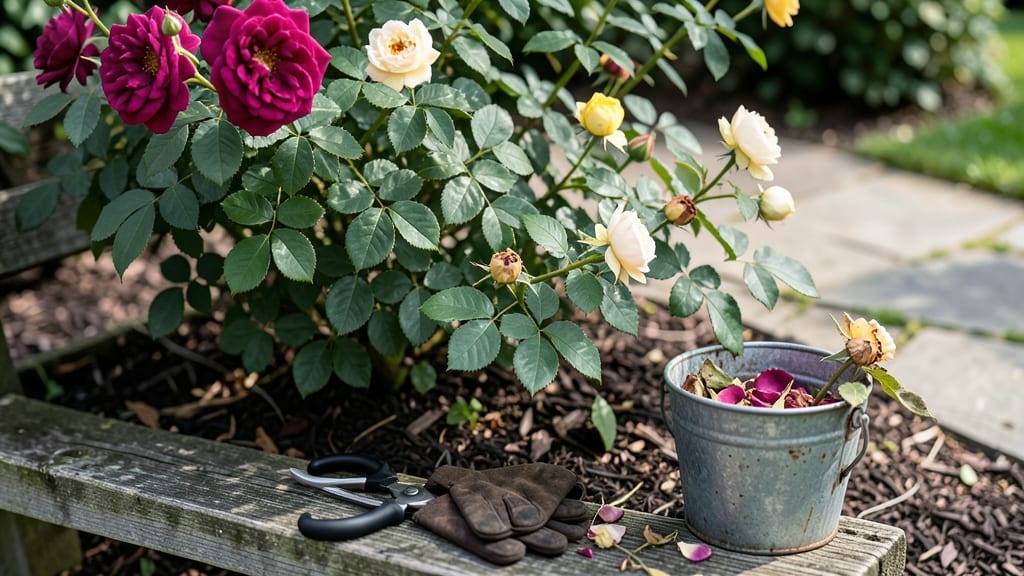
What does deadhead mean in gardening? It refers to removing faded or spent flowers to encourage stronger stems, more blooms, and a longer flowering season. This pruning method redirects the plant's energy away from seed production and toward fresh growth.
Deadheading works by mimicking nature's cycle—when a flower fades, the plant would normally focus on producing seeds.
By snipping off those spent blooms, you trick the plant into putting that energy back into growing new flowers instead. 🌸 This technique is especially effective for annuals like petunias or zinnias, but many perennials also benefit from it.
The key is timing: remove flowers just as they begin to wilt, before they form seed pods.
For best results, use clean pruners or your fingers to pinch off flowers at the base of the bloom stem. Avoid tearing leaves or damaging the plant's structure—this can stress the plant and reduce its ability to produce new flowers.
Morning is the ideal time to deadhead, as the plant's natural processes are most active then.
💡 In This Article
- How Deadheading Boosts Plant Growth and Flower Production
- Step-by-Step Deadheading Techniques for Common Garden Flowers
How deadheading boosts plant growth and flower production
Deadheading triggers a plant's natural survival mechanism by interrupting the seed production cycle. When a flower wilts, the plant normally shifts resources to develop seeds—this process consumes up to 30-40% of the plant's energy reserves.
By removing spent blooms, you force the plant to redirect that energy into growing new stems, leaves, and flowers instead. This hormonal shift happens because the plant detects the absence of seed development and prioritizes vegetative growth over reproductive efforts.
The science involves plant hormones like auxin and ethylene. Auxin, which promotes growth, accumulates in the stem below the removed flower, stimulating new lateral buds to form.
Ethylene, a stress hormone, is released when flowers fade—deadheading prevents this signal from triggering seed formation. 🌿 In annuals like marigolds, this can extend blooming by 4-6 weeks compared to undeadheaded plants, while perennials like coneflowers may produce 20-30% more flowers per season.
This technique also strengthens plant structure by preventing the weight of heavy seed pods from weakening stems. For example, a single tomato plant can support 50+ pounds of fruit, but deadheading prevents overloading.
The plant allocates more nutrients to root and stem development, creating a sturdier framework for future blooms. This is why deadheaded impatiens often grow 2-3 inches taller than neglected ones.
However, timing matters—removing flowers too early (when buds are still green) can stunt growth, while waiting too long (until seeds form) defeats the purpose. The ideal moment is when the bloom begins wilting but before the seed pod swells.
For instance, with roses, snip just above the first five-leaflet cluster to encourage new growth from that node.
Perennials benefit differently than annuals because they store energy in roots. Deadheading perennials like black-eyed Susans prevents self-seeding, which can crowd out new growth.
Annuals, though, rely entirely on current season growth, making deadheading critical for their survival. 🌼 The key distinction is that perennials can "rest" between seasons, while annuals must perform in one growing cycle.
Consider the case of geraniums: without deadheading, a single plant might produce 20-30 flowers over its lifetime. With regular deadheading, that same plant can yield 100+ blooms by continuously redirecting energy. The visual difference is dramatic—plants become fuller, bushier, and more vibrant, with fewer leggy stems.