
Planting
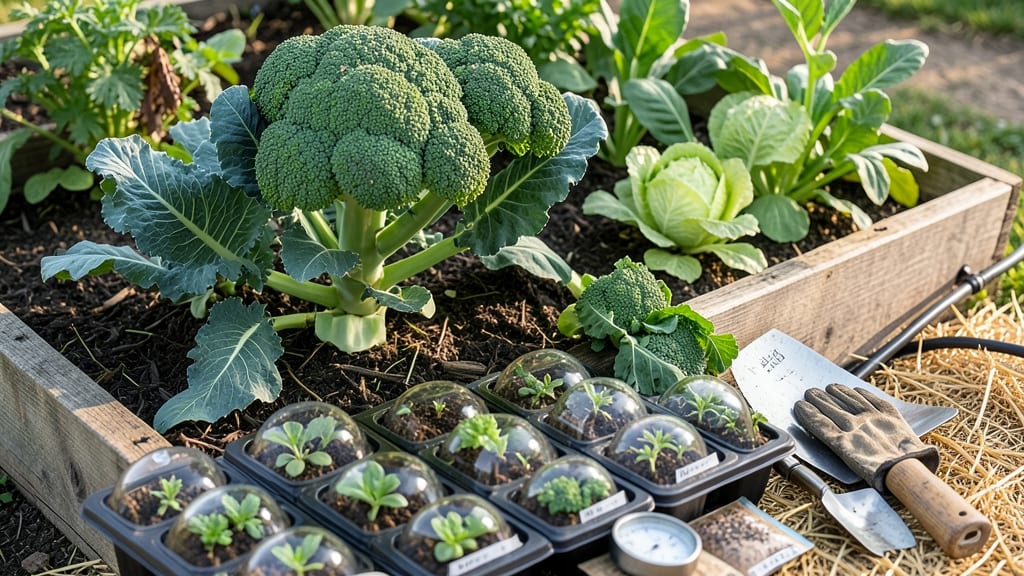
Planting a winter garden in Florida means timing your sowing perfectly to avoid summer heat or rare winter chills—aim for September through November when soil temps drop below 85°F.
Florida’s mild winters create a unique opportunity to grow thriving winter gardens—but timing is everything. Plant too early, and heat waves will ruin your crops; too late, and you’ll miss the optimal growing window.
This guide covers the exact schedule for heat-tolerant vegetables like collards, turnips, and sweet potatoes, plus regional tweaks for North vs. South Florida’s microclimates.
You’ll learn how to prep soil, space plants for succession harvests, and avoid common mistakes that turn winter gardens into flops—even in Florida’s frost-free zones.
Florida winter garden planting calendar by month: what to sow when
Florida’s winter gardening season runs from September through March, but the exact timing depends on your region—North Florida’s cooler winters (Zones 8a-9a) differ from South Florida’s near-tropical climate (Zones 10a-11). Unlike northern states, Florida’s winter garden thrives on heat-tolerant varieties that avoid bolting in mild temperatures.
The key is planting when soil temps drop below 85°F but before hard frosts (rare but possible in North Florida).
For North Florida (e.g., Jacksonville, Gainesville), aim to plant leafy greens and root crops by mid-October to harvest before potential December frosts. In Central Florida (Orlando, Tampa), you’ve got until November 15 for most crops, while South Florida (Miami, Fort Lauderdale) can plant through January with minimal frost risk.
Succession planting every 2-3 weeks ensures a continuous harvest.
Here’s a month-by-month breakdown of what to sow, including temperature thresholds and regional adjustments to maximize your winter garden’s success. Use this as your Florida winter planting guide to avoid common pitfalls like heat stress or overcrowding.
| Month | North Florida (Zones 8a-9a) | Central Florida (Zones 9b-10a) | South Florida (Zones 10b-11) | Soil Temp (°F) |
|---|---|---|---|---|
| September | Direct sow: collards, turnips, kale; transplant: broccoli, cabbage | Direct sow: sweet potatoes, carrots, spinach; transplant: mustard greens | Direct sow: peas, radishes, lettuce; transplant: green onions | 75-85°F |
| October | Direct sow: beets, Swiss chard, radishes; transplant: cauliflower, brussels sprouts | Direct sow: cabbage, broccoli, turnips; transplant: kale, collards | Direct sow: mustard greens, spinach, lettuce; transplant: peppers (heat-tolerant) | 70-80°F |
| November | Direct sow: garlic, onions, peas; transplant: cabbage, broccoli | Direct sow: radishes, turnips, carrots; transplant: green onions, leeks | Direct sow: collards, kale, spinach; transplant: eggplant (late Nov) | 65-75°F |
| December | Transplant: cold-hardy greens (if no frost); sow garlic for spring harvest | Direct sow: peas, spinach; transplant: lettuce, radishes | Direct sow: mustard greens, turnips, carrots; transplant: tomatoes (heat-tolerant) | 60-70°F |
| January | Transplant: broccoli, cabbage (frost protection needed) | Direct sow: radishes, lettuce; transplant: peppers, eggplant | Direct sow: collards, kale, spinach; transplant: green beans | 60-75°F |