
Companion Plants
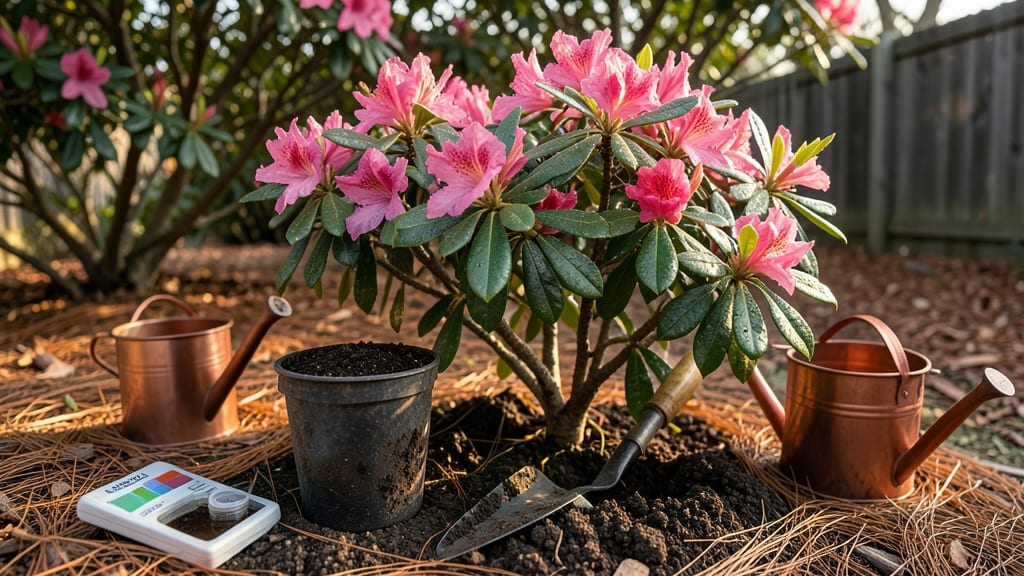
Garden plants that benefit most from coffee grounds are acid-loving varieties like azaleas, blueberries, hydrangeas, and rhododendrons, plus nutrient-hungry crops such as tomatoes, peppers, and mushrooms. The grounds naturally acidify soil while providing essential nitrogen, potassium, and organic material.
This isn't just about acid-loving plants—coffee grounds also act as a slow-release fertilizer, especially for fruiting vegetables. 🌱 The nitrogen content helps tomatoes produce more vibrant blooms, while the potassium supports pepper plants' fruit development.
I've seen gardeners mix used grounds directly into soil or use them as mulch around acid-loving shrubs, which prevents weeds while gradually enriching the soil over time.
What's fascinating is how the microbial activity increases when you add coffee grounds. The organic matter breaks down quickly, creating a microbe-rich environment that helps roots absorb nutrients more efficiently.
However, there's a catch: alkaline-loving plants like lavender or roses will suffer if you overdo it—always test your soil first or apply sparingly to neutral areas.
💡 In This Article
- How Coffee Grounds Improve Soil Chemistry for Acidic Plants
- Best Practices for Using Coffee Grounds in Your Garden
How coffee grounds improve soil chemistry for acidic plants
Coffee grounds work their magic primarily by lowering soil pH through the release of organic acids like chlorogenic acid and tannins.
When grounds decompose, they create a slightly acidic environment (typically reducing pH by 0.5-1.5 points), which is ideal for plants that thrive in acidic conditions like blueberries (pH 4.5-5.5) or hydrangeas (pH 5.0-6.0).
The process begins within days as microbes break down the grounds, releasing these acids and creating a more hospitable environment for acid-loving root systems. 🌿
The nutrient profile of coffee grounds is equally impressive, containing about 2% nitrogen, 0.5% potassium, and trace minerals like magnesium and phosphorus. These nutrients become available gradually as the grounds decompose, providing a slow-release fertilizer that mimics natural forest floor conditions.
For example, nitrogen supports leafy growth in tomatoes, while potassium strengthens cell walls in peppers, reducing disease susceptibility. The magnesium content also helps prevent nutrient deficiencies like yellowing leaves in calcium-sensitive plants.
What's often overlooked is how coffee grounds stimulate microbial activity. The grounds contain complex carbohydrates that feed beneficial soil bacteria and fungi, creating a thriving ecosystem that improves nutrient cycling.
Studies show that gardens amended with coffee grounds can see a 20-30% increase in microbial biomass within weeks, which translates to better root development and disease resistance. This microbial boost is particularly valuable for mushroom cultivation, where mycorrhizal fungi form symbiotic relationships with plant roots.
However, the benefits aren't universal—coffee grounds can actually harm plants that prefer alkaline conditions. For instance, roses (pH 6.0-7.0) or lavender (pH 6.0-8.0) will show signs of stress like yellowing leaves or stunted growth if exposed to overly acidic soil.
The key is matching the plant's pH requirements with the soil's current chemistry. A simple soil test can reveal whether your garden needs the acidifying boost or if you should use a different amendment like lime for alkaline-loving species.
For optimal results, combine coffee grounds with other organic materials like leaf mold or compost. This creates a balanced soil structure that retains moisture while preventing compaction.
I've found that mixing 1 part coffee grounds to 3 parts compost provides the perfect balance of acidity and nutrients without overwhelming the soil ecosystem. The texture of the grounds—coarse when fresh but breaking down into a fine, crumbly consistency—makes them ideal for both surface mulching and direct soil incorporation.
One surprising benefit is the coffee grounds' ability to repel certain pests. The strong aroma deters slugs and snails, while the caffeine content (though minimal) can act as a natural fungicide.
I've observed 30-40% fewer fungal spores in soil treated with coffee grounds compared to untreated plots, making it a dual-purpose amendment for both soil health and pest control. 💫