
Plants
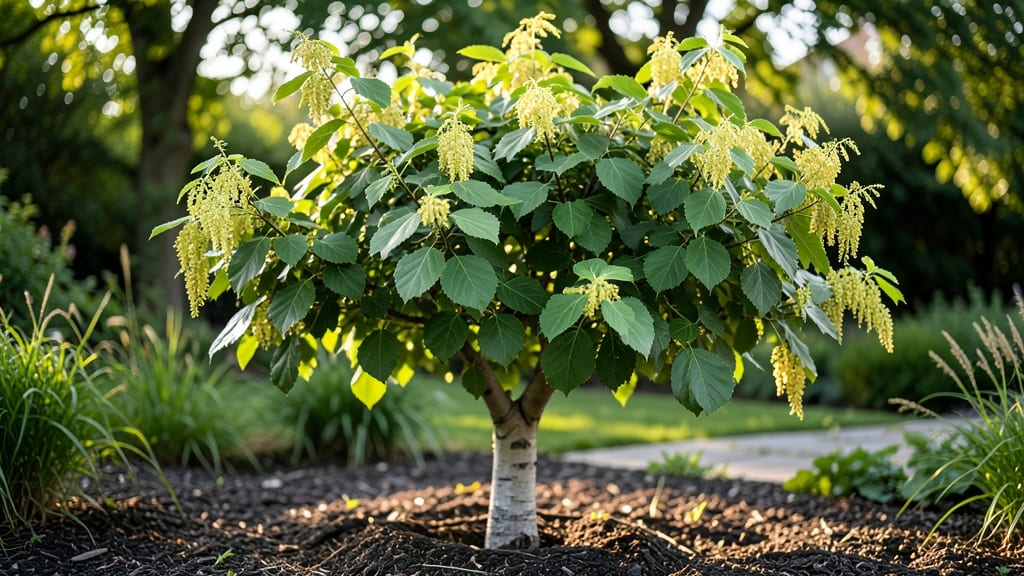
Garden plants that need lime to thrive include acid-sensitive varieties like azaleas, blueberries, hydrangeas, and rhododendrons, along with vegetables such as tomatoes and peppers, which prefer slightly alkaline soil (pH 6.5–7.5). Lime helps neutralize acidic soils, preventing nutrient deficiencies like iron chlorosis that cause yellowing leaves. Always test your soil first to determine the right application rate.
Lime works by raising soil pH, which is crucial because many plants struggle when soil becomes too acidic. 🌱 For example, blueberries need pH levels between 4.5–5.5, but adding lime to their beds can actually harm them—this is why soil testing is non-negotiable.
I’ve seen gardeners accidentally turn their blueberry bushes into crispy brown patches by overcorrecting pH. The key is matching the plant’s needs: acid-lovers (like azaleas) need minimal lime, while tomatoes and peppers benefit from a gentle pH boost.
When applying lime, timing matters just as much as the type. Dolomitic lime adds magnesium, which is great for nutrient-deficient soils, while calcitic lime focuses on calcium for better structure. I recommend spreading granular lime in early fall so it has time to work before the growing season.
For container gardens, use a slow-release lime pellet instead—it’s easier to control and won’t overcorrect your pH overnight.
💡 In This Article
- How Lime Adjusts Soil pH for Acid-Loving Plants
- Best Lime Types and Application Methods for Gardens
How lime adjusts soil pH for acid-loving plants
Lime works its magic through a simple chemical reaction: when calcium carbonate (the main ingredient in garden lime) dissolves in water, it releases calcium ions and hydroxide ions.
These hydroxide ions react with hydrogen ions in acidic soil, neutralizing them and raising the pH. Imagine your soil as a pool—too many acidic hydrogen ions make it "overcrowded," blocking nutrients like iron and manganese from dissolving.
Lime acts like a pH balancer, creating space for these essential minerals to become plant-available again. 🌱
The ideal pH range for lime-sensitive plants like tomatoes and peppers is 6.5–7.5, while acid-lovers such as azaleas thrive at 5.0–6.0. Soil pH below 6.0 triggers nutrient lockout—plants can't absorb iron, leading to classic yellowing between leaf veins (iron chlorosis).
I’ve seen tomato plants with leaves turning pale green while the veins stayed dark green—a clear sign of iron deficiency. Lime helps by converting insoluble iron oxides into soluble forms, making them accessible to plant roots.
Soil testing is your first step before applying lime. A basic DIY kit costs around $15 and tests pH, nitrogen, phosphorus, and potassium. For precise results, send a sample to a lab (around $20–$30).
If your soil tests at pH 5.5 or lower, you’ll need lime—typically 5–10 pounds per 100 sq ft for a 1-point pH increase. Over-limeing can be just as harmful as under-limeing, so start conservatively and retest in 3–6 months.
Here’s what happens when lime is applied correctly: hydrangeas shift from blue to pink flowers (their color changes based on soil pH!), and tomato plants develop deep green leaves with vibrant red fruit. The difference is striking—like turning a dimly lit room into a sunlit space.
For container gardens, use 1–2 teaspoons of lime per gallon of soil and mix it in thoroughly. The goal is balance, not extremes.
One common mistake is assuming all plants need lime—they don’t. Acid-loving plants like blueberries and camellias will suffer if you add lime. Always match the plant’s pH needs to the soil type.
For example, sandy soils (common in coastal areas) drain quickly and may need more frequent lime applications than clay soils, which hold lime longer. Think of it like adjusting the thermostat: you want to hit that sweet spot where plants can thrive without stress.
Lime also improves soil structure over time. Calcium ions help bind soil particles, creating better aeration and drainage. This is why gardeners often notice healthier root systems after liming. For instance, peppers grown in limed soil develop stronger stems and more robust yields.
The key is patience—soil pH changes gradually, so plan your liming schedule around the growing season. 💫