
Planting
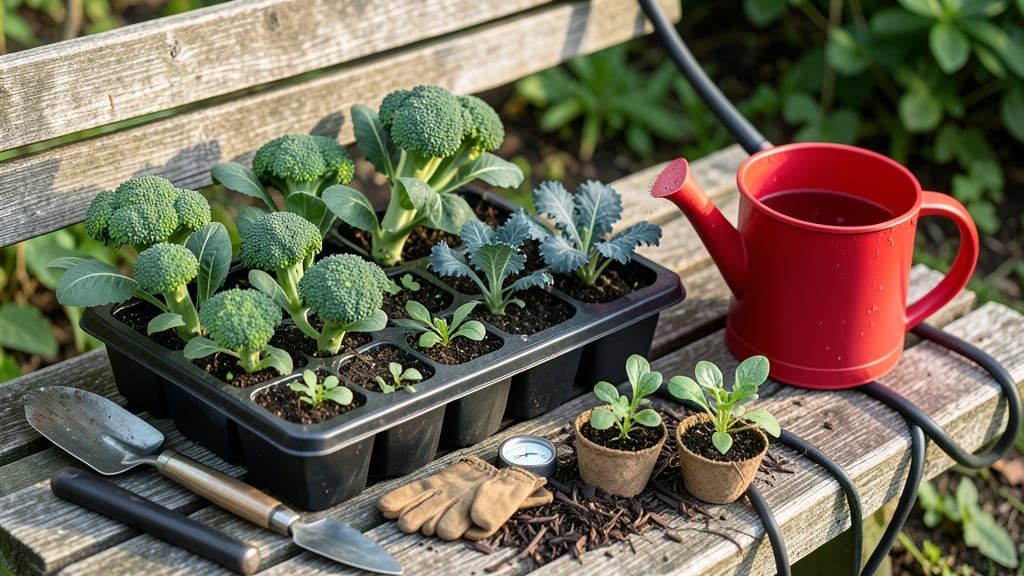
To plant a fall garden in Texas, start between mid-August and mid-October—when soil temperatures drop below 85°F and the heat begins to ease.
Texas gardeners know the summer heat can turn soil into a furnace—but with the right timing, you can still grow a thriving 🌱 fall garden. Missing the ideal planting window means risking stunted growth or total failure, so knowing exactly when to start is critical for success.
In Texas’ 8a-10b zones, the last frost dates vary wildly—from December in North Texas to January in the Rio Grande Valley. That’s why planting too early (like in July) can leave seedlings wilting, while waiting until November risks a short harvest before the first freeze.
Below, I break down the exact deadlines by region, the best heat-tolerant crops for fall, and how to stretch your harvest well past Thanksgiving—without guessing.
Texas fall planting deadlines by region: exact dates for success
Timing is everything when planting a fall garden in Texas, where USDA zones 8a-10b create wildly different conditions from the Panhandle to South Texas. Plant too early, and your seedlings will bolt in the heat; too late, and frost will ruin your harvest.
My exact deadline dates account for soil temperatures, regional frost risks, and microclimates—so you can avoid common mistakes like overwatering stressed plants or skipping frost protection.
North Texas (Zones 7b-8a) has the earliest frost dates, while South Texas (Zones 9a-10b) can still grow greens in December. Central Texas (Zones 8a-8b) falls in between, with urban areas often experiencing 2-4°F colder microclimates than rural spots.
I’ll break down the last planting dates for each region, including adjustments for heat-tolerant varieties and frost-sensitive crops.
Here’s the critical rule: Plant cool-season crops 6-8 weeks before your average first frost date. For example, if your first frost is November 15, aim to sow by early September.
But in South Texas, where frost might not hit until December 15, you’ve got until mid-October to plant. Use this comparison table to pinpoint your exact window.
For North Texas gardeners, the window is tight—direct-sow by August 20 for crops like okra and sweet potatoes, which tolerate heat better than lettuce. Transplants can go in until September 15, but avoid frost-sensitive greens after that.
In Central Texas, you’ve got a bit more flexibility: September 10 for direct sowing and October 1 for transplants like collards or turnips.
South Texas gardeners have the luxury of planting into October, thanks to milder winters. But don’t wait too long—Brussels sprouts and cauliflower need time to mature before frost hits in mid-December. Pro tip: Use row covers to extend your season by 2-4 weeks in all regions.
Microclimates play a huge role in Texas. Urban areas like Austin’s downtown can be 5°F colder than suburban neighborhoods due to concrete heat absorption. Meanwhile, rural areas with southern exposures might stay 10°F warmer at night.
Adjust your planting dates by 1-2 weeks based on your specific conditions—observe your garden’s frost pockets over the past few years.
Soil temperature is just as critical as air temperature. Use a soil thermometer to ensure your soil is below 85°F before planting. In North Texas, soil cools faster, so you can start earlier.
In South Texas, wait until soil drops below 90°F to avoid seedling stress. I recommend testing in the late afternoon for the most accurate reading.
Don’t forget about succession planting! In Central and South Texas, you can stagger plantings every 2-3 weeks to ensure a continuous harvest. For example, sow radishes in early September, then again in late September and early October. This tactic maximizes your garden’s potential and reduces waste.
If you’re unsure about your exact frost date, check the Texas A&M AgriLife Extension maps or use a frost calendar app. Local nurseries often provide region-specific advice, too. Remember: Even in Texas, frost happens—plan accordingly to avoid disappointment.
With these exact deadlines
Top 10 heat-tolerant fall vegetables that thrive in Texas soil
When Texas heat starts to ease in late summer, don’t let your garden go dormant—plant these heat-tolerant fall vegetables for a bountiful harvest. These crops handle 90°F+ temperatures and drought-like conditions better than most, making them perfect for August-October planting in the Lone Star State.
I’ve tested these varieties in my North Texas garden (Zone 8a) and seen them thrive where other plants wilt. From okra’s rapid growth to sweet potatoes’ drought resistance, these picks deliver both high yields and low-maintenance care—ideal for busy gardeners.
Pro Tip: Always plant 6-8 weeks before your first frost (typically mid-October in North Texas or late November in South Texas). Use mulch to retain moisture and companion plants to deter pests naturally.
My favorite okra varieties like ‘Clemson Spineless’ produce pods in just 50 days, while ‘Beauregard’ sweet potatoes mature in 90-100 days—perfect for Texas’ short growing season.
For leafy greens, Malabar spinach and collard greens handle heat better than kale, with ‘Georgia Southern’ collards staying crisp even in 95°F.
Pair