
Tools
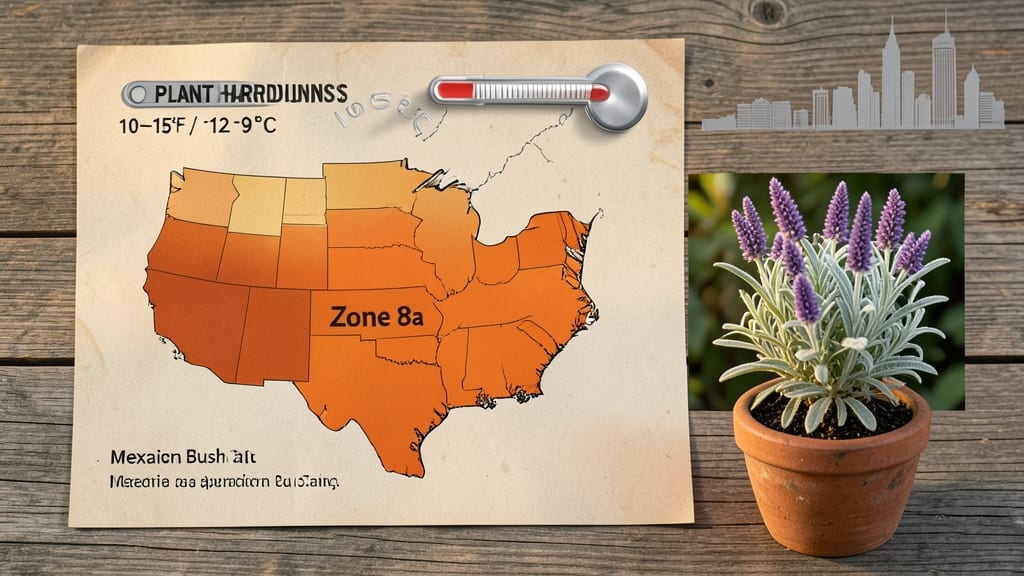
What garden zone is Dallas, TX? It falls primarily in USDA Hardiness Zone 8a, where average minimum winter temperatures range between 10°F and 15°F (-12°C to -9°C), shaping ideal planting seasons and frost-sensitive crop choices. Verify local microclimates for precision, as urban heat islands may slightly alter conditions.
Understanding Dallas' USDA Zone 8a classification helps gardeners time plantings perfectly—spring starts after the last frost (typically mid-March), while fall offers a second planting window until late November. 🌱 The 10°F to 15°F winter lows mean tender plants like citrus need winter protection, while natives like Texas sage thrive year-round.
Microclimates near buildings or water features can push zones slightly higher, so always check your specific yard conditions.
This zone also explains why some plants—like camellias—struggle here despite being "Zone 8" elsewhere. The key is matching plants to Dallas' heat intensity (100°F+ summers) and short cold snaps. For example, while Zone 8a can handle azaleas, their blooms may suffer if winters dip below 10°F.
💡 In This Article
- How USDA Zone 8a Affects Plant Survival in Dallas
- Best Plants for Dallas’ Zone 8a Climate
How USDA Zone 8a affects plant survival in Dallas
The USDA Zone 8a classification for Dallas is defined by its average annual minimum temperatures of 10°F to 15°F (-12°C to -9°C), which directly impacts what plants can survive.
This range means most cold-sensitive plants—like citrus or tropical hibiscus—won't survive unprotected winters, while hardy natives like Texas mountain laurel thrive. The 10°F threshold is critical: even brief dips below this can damage tender plants, while established perennials often bounce back from short cold snaps.
Dallas' last frost dates typically range from mid-March to late November, creating a 9-10 month growing season. This extended window allows for two major planting periods: spring (after March 15) and fall (before November 1).
The city's hot summers (100°F+) also demand heat-tolerant varieties—think okra, black-eyed peas, or Texas bluebonnets—that can handle both intense heat and occasional cold snaps without wilting.
What makes Dallas unique is its urban heat island effect, where pavement and buildings can raise microclimates by 2-5°F compared to rural areas. This means a backyard near a concrete wall might experience Zone 8b conditions (15°F-20°F), allowing slightly more tender plants like camellias or gardenias to survive.
However, these areas also face higher evaporation rates, requiring 10-15% more water for plants during summer months.
Cold-hardy plants like pecan trees, yaupon holly, or salvia have evolved to handle Dallas' fluctuations, while tropicals need winter protection. For example, azaleas (Zone 7-9) bloom reliably here, but their roots must be mulched to 3-4 inches deep to insulate against sudden cold snaps.
The key is matching plant hardiness to both the zone AND your yard's specific microclimate—like choosing drought-resistant natives for south-facing beds that bake in summer.
Seasonal shifts matter too: Spring planting (after last frost) benefits from Dallas' 60-70°F soil temps, ideal for warm-season crops like tomatoes, while fall planting (before first frost) leverages cooler nights to reduce heat stress.
The 15°F winter low also explains why citrus trees need container culture or greenhouse protection—even a single night below 28°F can kill young plants.
Here’s how to use this zone knowledge practically:
- Spring: Plant warm-season veggies (peppers, squash) after March 15 when soil warms to 60°F+
- Summer: Mulch 3-4 inches deep to retain moisture and protect roots from 100°F+ heat
- Fall: Choose cool-season crops (kale, carrots) for harvest before November 1 frost
- Winter: Group tender plants near south-facing walls to absorb reflected sunlight and raise microclimate temps
Understanding these patterns turns guesswork into strategy—like knowing why roses thrive in Dallas (they handle 10°F dips with proper mulch) while bougainvillea struggles (it needs Zone 9+ winters). The zone isn’t just a number; it’s a roadmap for matching plants to Dallas’ heat, cold, and timing. 🌿