
Planting
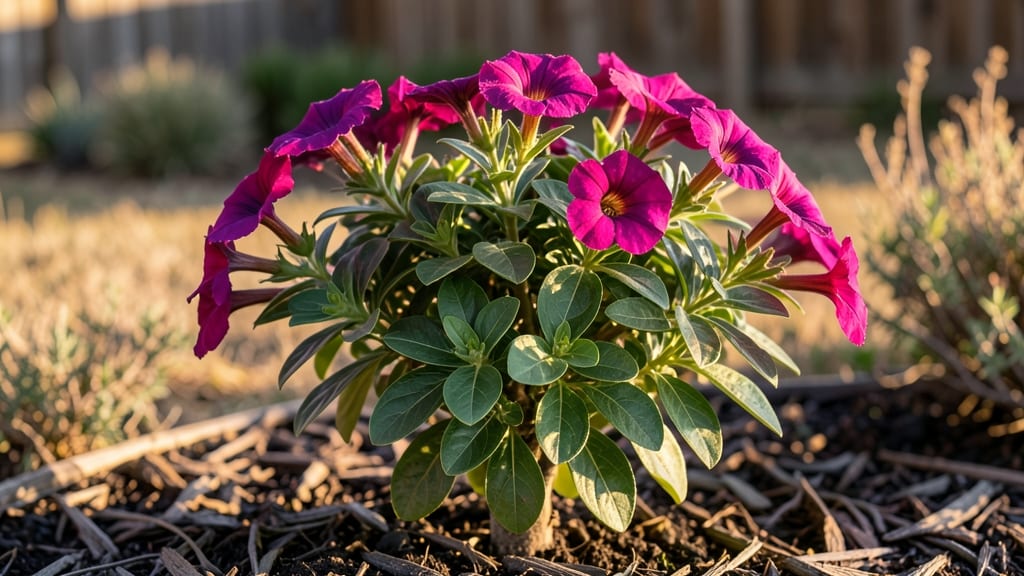
Dallas, Texas, is in USDA Hardiness Zone 8a, where winters rarely drop below 10°F to 15°F (-12°C to -9°C), creating ideal conditions for year-round gardening with frost-resistant plants and seasonal adjustments for heat-sensitive varieties.
This classification means Dallas gardeners can grow a wide variety of plants, including citrus trees and subtropical shrubs that thrive in warmer climates. 🌿 The extended growing season—typically spanning 250-300 frost-free days—allows for multiple planting cycles, from cool-season crops in early spring to heat-tolerant vegetables in late summer.
However, sudden cold snaps can still occur, so understanding microclimates within your yard helps protect tender plants during unexpected temperature drops.
For example, areas near large buildings may stay slightly warmer than open fields, creating microenvironments where you can push the limits of what grows in Zone 8a. Many local nurseries offer plants specifically bred for Texas heat and drought conditions, making it easier to maintain vibrant gardens with minimal watering.
The key is balancing native plants with adaptable varieties to create a resilient landscape.
💡 In This Article
- Understanding USDA Zone 8a Climate and Plant Hardiness
- Best Plants for Dallas Texas Gardens in Zone 8a
Understanding USDA Zone 8a climate and plant hardiness
Dallas's classification as USDA Zone 8a stems from its average annual minimum temperature range of 10°F to 15°F (-12°C to -9°C), which occurs roughly every 10 years. This means most plants can survive these cold snaps, but prolonged exposure below 10°F can damage tender species.
The city's extended growing season—typically 250-300 frost-free days—creates ideal conditions for both cool-season and warm-season crops, but gardeners must account for occasional late frosts that can arrive as late as March or early April.
The climate's defining feature is its hot, dry summers, where temperatures frequently exceed 95°F (35°C) for weeks at a time. This heat, combined with low humidity, creates stress for many plants, making drought tolerance a critical factor.
The city's average annual rainfall of 34 inches (864 mm) is spread unevenly, with most falling in spring and autumn—leaving summers parched. This pattern explains why native plants like Texas sage (Leucophyllum frutescens) and blackfoot daisy (Melampodium leucanthum) thrive with minimal irrigation.
Understanding these conditions helps determine planting windows. Cool-season crops like broccoli and spinach perform best when sown in September-October or February-March, while heat-loving vegetables such as okra and sweet potatoes should wait until April-May after the last frost.
The 10-year average first frost date is November 15, but microclimates near bodies of water or urban heat islands can delay frost by 2-3 weeks, extending the growing season for sensitive plants.
For perennials, the Zone 8a designation means selecting varieties that can withstand brief cold snaps without dieback. Plants like Mexican feather grass (Nassella tenuissima) and turk's cap (Malvaviscus arboreus) naturally adapt to these conditions, while tropicals like bougainvillea require winter protection.
Mulching with 2-3 inches of organic matter helps insulate roots, while drip irrigation systems conserve water during the dry months. These adaptations are key to maintaining a thriving garden year-round.
What most gardeners don't realize is how soil temperature plays a role—seeds often need soil to reach 60°F (15°C) before germinating, which can be delayed in early spring. Using row covers or cold frames can accelerate warming by 5-10°F (3-6°C), allowing earlier planting.
The city's high UV index (often above 10) also means sun-sensitive plants may need afternoon shade during peak summer months to prevent leaf scorch.
Consider these microclimate factors when planning your garden:
- North-facing walls: Create cooler spots ideal for heat-sensitive herbs like basil or cilantro
- South-facing beds: Perfect for sun-lovers like tomatoes or peppers, which thrive with 6-8 hours of direct sun
- Shaded areas: Host ferns or hostas that prefer morning sun and afternoon shade
The interplay between Dallas's heat, drought, and occasional cold snaps creates a unique gardening challenge—but also incredible opportunities for resilient, low-maintenance landscapes. 🌿