
Vegetables
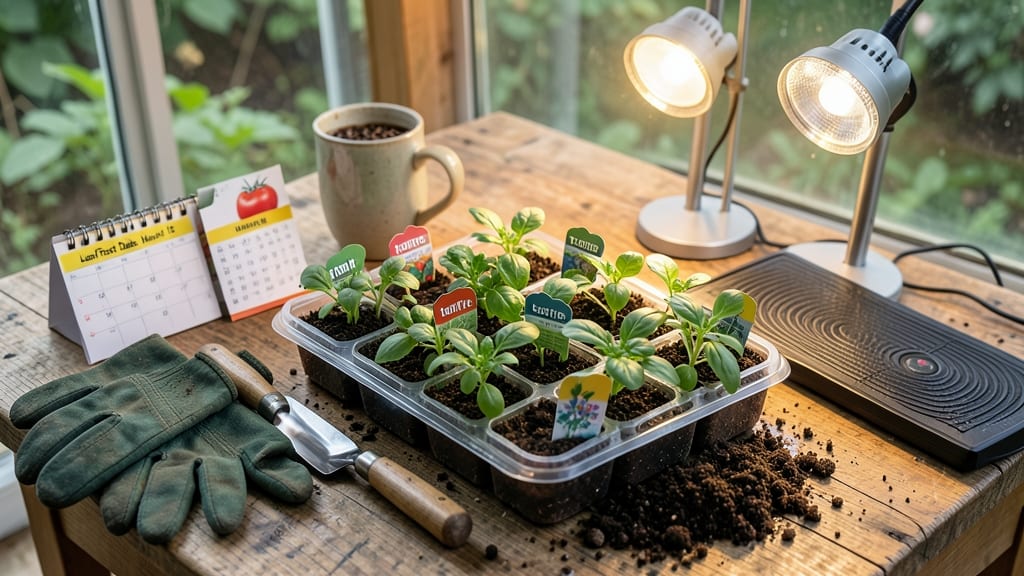
To start gardening vegetables at the right time means catching the 4-6 week window before your last frost—a narrow margin that separates thriving plants from wasted effort.
Timing your vegetable garden correctly can mean the difference between a bumper crop and a disappointing harvest—yet most gardeners miss their ideal planting windows by weeks, if not months.
In Zone 6a, where spring arrives with a mix of chilly nights and warming days, cool-season crops like lettuce and peas need to go in the ground by early March, while tomatoes and peppers wait until after April 15.
Below, I’ll break down the exact deadlines for your zone, plus pro tips to stretch your growing season and avoid common mistakes that ruin yields.
Zone-specific vegetable planting deadlines by USDA hardiness Zone
Timing your vegetable garden correctly can mean the difference between a bumper crop and a disappointing harvest—yet most gardeners miss their ideal planting windows by weeks, if not months. Understanding your USDA hardiness zone and last frost date is the first step to planting vegetables at the perfect time.
Cool-season crops like spinach and carrots thrive in cooler temperatures, while tomatoes and peppers need warm soil to germinate. Let’s break down the deadlines for each zone so you can maximize your harvest.
Your last frost date is the average date when temperatures drop below 32°F in spring, signaling when it’s safe to plant warm-season vegetables. For cool-season crops, you’ll want to start seeds 4-6 weeks before this date.
Southern zones (8-11) have longer growing seasons, while northern zones (3-6) require earlier starts and may need season extenders like row covers. Below, find your zone’s planting deadlines and heat-tolerant alternatives for warmer climates.
In Zones 3-4, where winters are harsh, start cool-season vegetables indoors 8-10 weeks before your last frost date. Use grow lights or a sunny windowsill to give seedlings a head start.
For warm-season crops, wait until the soil temperature consistently stays above 60°F, which typically happens in early June. In these zones, consider cold frames or row covers to extend your growing season by 2-4 weeks.
Gardeners in Zones 5-7 have a slightly longer window but still need to plan carefully. Start cool-season crops like broccoli and cabbage in early spring, and warm-season crops like tomatoes and peppers after the last frost, usually by mid-May.
A common mistake here is planting tomatoes too early—soil must be at least 60°F for seeds to germinate properly. If your soil is still cold, opt for transplants instead.
For Zones 8-10, where winters are mild, you can plant cool-season crops in both fall and spring.
For example, in Zone 9, you might sow spinach in October for a winter harvest. Warm-season crops can be planted year-round with succession planting, but avoid planting during the hottest months (July-August) to prevent bolting or heat stress.
Instead, choose heat-tolerant varieties like Malabar spinach or okra, which thrive in temperatures up to 95°F.
In Zone 11, frost is rare, so you can grow vegetables year-round. However, summer heat can still be intense. Focus on shade-tolerant crops like lettuce and bush beans during peak summer months, and opt for tropical varieties like yams or eggplant.
Use drip irrigation and mulch to retain moisture and protect roots from extreme heat. Succession planting every 2-3 weeks ensures a continuous harvest.
Pro tip: Use a planting calendar or app to track your local last frost date and soil temperature. Many seed packets also include planting deadlines based
How to extend your growing season for earlier harvests and later plantings
Even in Zone 6a, where frost can linger until mid-April, you can squeeze out an extra 4-6 weeks of growing time with the right techniques. I’ve tested these methods in my own garden—some take minimal effort, while others require a little more upfront work.
The key is choosing strategies that match your crop types and microclimate to avoid wasted time or failed plants.
For example, my lettuce and spinach bolt by June if planted too late, but with row covers, I’ve pushed harvests into early July. Meanwhile, tomatoes and peppers planted under cold frames in late April thrive when they’d normally wait until May.
The goal? Earlier harvests for fresh eating and later plantings to beat fall frosts.
Use Floating Row Covers
Plant cool-season crops like lettuce and kale 3 weeks before your last frost date. Row covers create a 5-10°F warmer microclimate, protecting seedlings from light frosts while allowing sunlight to pass through.
Leverage Cold Frames
For warm-season crops like tomatoes and peppers, cold frames add 2-4 weeks of growing time in spring. Start seeds indoors in early April, then transplant into cold frames when soil hits 50°F. Remove frames when night temps stay above 45°F.
Practice Succession Planting
Sow fast-growing crops like radishes or bush beans every 2 weeks from spring to early summer. In fall, repeat with spinach and arugula 6-8 weeks before your first frost. This ensures a steady harvest instead of one big rush.
Choose South-Facing Slopes
A south-facing slope warms up 2-3 hours earlier than flat ground. Plant heat-loving crops like cucumbers and squash here to extend their season by 10-14 days. Avoid low-lying areas where cold air pools.
Plant Heat-Tolerant Varieties
Swap standard lettuce for ‘Jericho’ or ‘Black Seeded Simpson’, which bolt 2-3 weeks later. For tomatoes, try ‘Solar Fire’ or ‘Heatmaster’, which thrive in 90°F+ temps. Check seed packets for “heat-tolerant” labels.
My biggest mistake? Assuming row covers alone would protect my tomato seedlings in Zone 6a. I learned the hard way that late May frosts can still sneak in—so now I pair covers with a mini greenhouse for my most valuable plants.
Start small: test one method at a time to see what works in your garden’s unique conditions.
For fall extensions, focus on fast-maturing crops like bush beans or turnips. I’ve had success planting these in early August under low tunnels, harvesting greens well into October. The payoff? Fresh produce when grocery store options dwindle—and fewer trips to the store!
🌱