
Planting
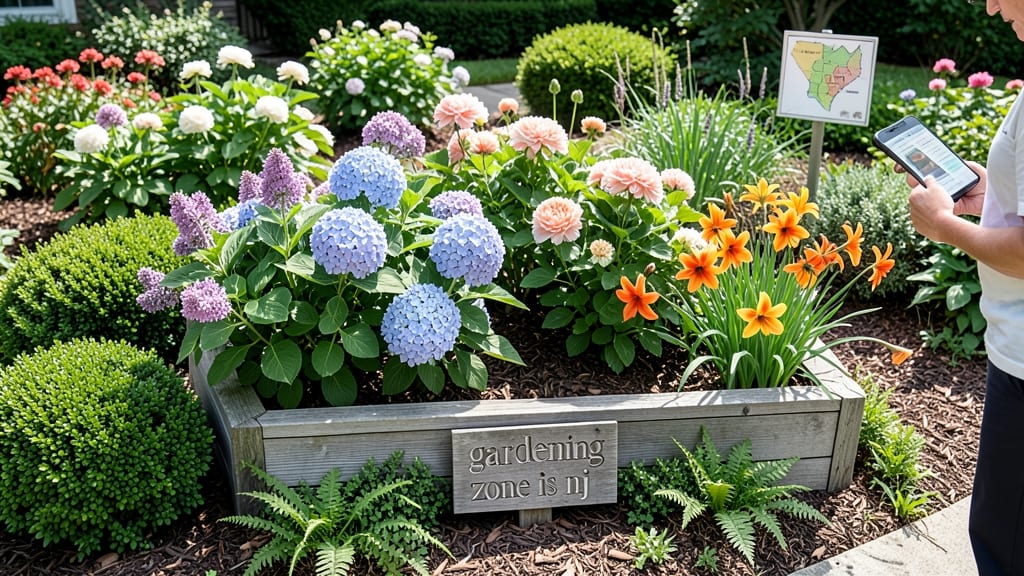
New Jersey’s gardening zones span from USDA Zone 6a in the northern counties to Zone 7b along the southern coast and urban areas, creating diverse growing conditions across the state. Use the USDA Plant Hardiness Map to pinpoint your exact zone for accurate plant selection.
New Jersey’s zone diversity comes from its geography—northern areas experience colder winters due to higher elevation and inland positioning, while coastal regions benefit from moderating ocean breezes. Zone 6a gardeners in places like Sussex County face shorter growing seasons, while Zone 7b areas near Atlantic City enjoy extended warm periods.
These variations mean your neighbor’s garden might thrive with plants that struggle in yours! 🌿
This zone range also explains why some plants—like peonies or Russian sage—thrive statewide, while others (like citrus trees) only work in the southernmost areas. The USDA map helps account for these microclimates by showing average minimum winter temperatures, which directly impact what you can plant successfully each year.
💡 In This Article
- How New Jersey’s Climate Affects USDA Gardening Zones
- Best Plants for New Jersey’s USDA Zones 6a–7b
How new Jersey’s climate affects USDA gardening zones
New Jersey’s zone diversity stems from its unique geography and climate patterns.
The state stretches 150 miles north to south, creating temperature gradients where northern regions like Sussex County (Zone 6a) experience average winter lows of -10°F to 0°F, while southern areas near Cape May (Zone 7b) rarely drop below 5°F to 10°F.
This 15°F difference explains why some plants thrive in one area but fail in another—like hydrangeas that bloom reliably in Zone 7b but may struggle in Zone 6a’s harsher winters. 🌡️
The coastal influence plays a dramatic role too. Ocean breezes create microclimates where temperatures near the shore stay 3-5°F warmer than inland areas just 20 miles away.
For example, Atlantic City’s Zone 7b enjoys 30-45 more frost-free days annually than Newark’s Zone 7a. This coastal buffer also delays fall frosts by 2-3 weeks, extending the growing season for heat-loving plants like tomatoes or basil.
Meanwhile, inland valleys like the Delaware Water Gap can experience sudden cold snaps due to cold air pooling.
Urban heat islands further complicate things. Cities like Newark and Jersey City (Zone 7a) often run 2-4°F warmer than surrounding rural areas because concrete and pavement absorb and radiate heat.
This urban warmth allows gardeners to push zone limits—successfully growing zone 8 plants like dwarf citrus in microclimates where they’d normally fail. The flip side? These heat pockets can stress heat-sensitive plants during summer, requiring shade or irrigation adjustments. 🏙️
Seasonal temperature swings add another layer. New Jersey’s humid subtropical climate means summers average 75-85°F statewide, but winter recovery varies dramatically. Northern zones may see 50+ days below freezing, while southern areas might only experience 10-15.
This affects plant dormancy cycles—woody perennials in Zone 6a need more cold stratification to break dormancy than their Zone 7b counterparts. Even soil temperatures differ: Spring thaw occurs 2-3 weeks earlier in coastal zones, allowing earlier planting of cool-season crops.
Elevation changes also create localized zones. The Kittatinny Mountains in northwest NJ reach 1,800 feet, creating pockets of Zone 6b where temperatures drop 1°F per 300 feet of elevation. At these higher elevations, gardeners can grow Alpine plants like edelweiss that wouldn’t survive in lowland areas.
Meanwhile, the Pine Barrens region’s sandy soils and lower humidity create yet another distinct growing environment where moisture-loving plants struggle. These elevation-driven microclimates mean your garden’s success depends as much on your specific location as on the general zone designation.
What this all means for gardeners: The USDA map provides a starting point, but local observations matter most.
Track your own frost dates for 3-5 years to refine your zone understanding—your backyard might actually behave like Zone 6b even if you’re in officially designated 7a. Pay attention to plant survival rates rather than just zone labels, and consider installing weather stations or using smart garden apps to monitor microclimate conditions.
The most successful NJ gardeners treat zones as guidelines, not rules. 🌱