
Planting
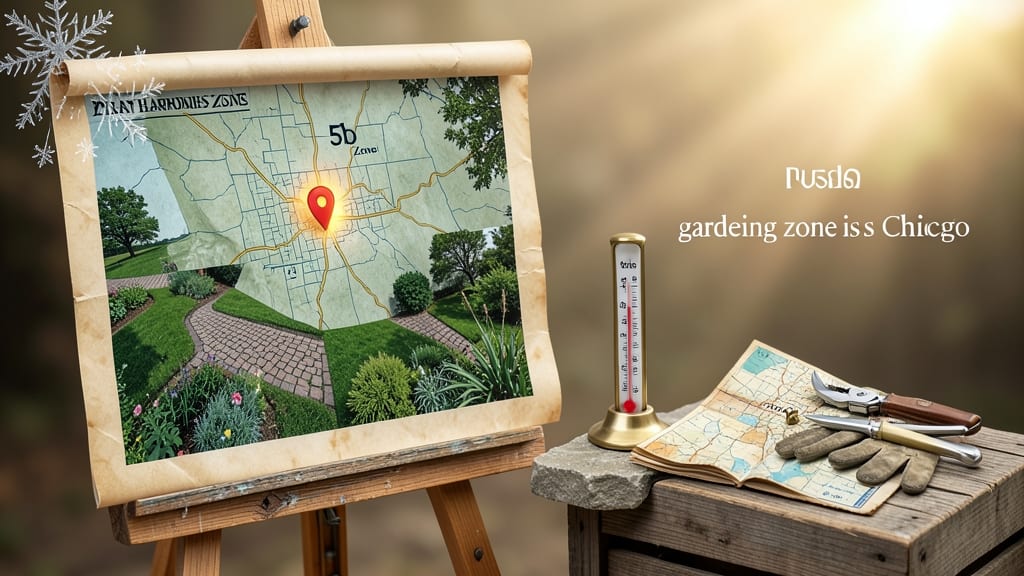
Chicago's gardening zone is primarily USDA Zones 5b and 6a, with some areas near Lake Michigan reaching Zone 6b thanks to the lake's warming effect. For exact planting advice, verify your specific location.
Chicago’s USDA designation reflects its average annual minimum temperatures, which typically range between -15°F to 0°F for Zone 5b and 0°F to 10°F for Zone 6a. The lake plays a crucial role here—areas within a few miles of Lake Michigan often experience milder winters, allowing gardeners to grow plants one zone harder than inland spots. 🌿 For example, downtown Chicago might lean toward Zone 6a, while western suburbs could stay closer to 5b. This variation means your exact location matters when selecting perennials or cold-sensitive annuals.
Beyond the official zones, Chicago’s urban heat island effect can push temperatures higher in city centers, potentially extending growing seasons by 1-2 weeks compared to rural areas. Wind exposure near the lake also creates microclimates where some plants thrive better than others.
To pinpoint your exact zone, use the USDA Plant Hardiness Zone Map or local nursery recommendations—this precision ensures your plants get the right care from day one.
💡 In This Article
- USDA Zone Map Breakdown for Chicago’s Plant Hardiness
- Adjusting Planting Zones for Chicago’s Urban Heat Islands
USDA Zone Map breakdown for Chicago’s plant hardiness
The USDA Plant Hardiness Zone Map divides Chicago primarily into Zones 5b and 6a based on the average annual minimum temperature over a 30-year period. Zone 5b experiences lows of -15°F to -10°F, while Zone 6a ranges from 0°F to 10°F.
These temperatures determine which plants can survive winter without protection—evergreens like spruce and fir, for example, thrive in Zone 5b, while Zone 6a can support slightly more tender perennials like peonies or lavender.
Lake Michigan acts as a natural climate moderator, creating microclimates that can shift zones by up to one full zone near the shoreline. Areas like Rogers Park or Lincoln Park often see winter temperatures 5-10°F warmer than inland neighborhoods due to the lake's heat retention.
This phenomenon, called the "lake-effect," allows gardeners in these zones to plant marginally hardier species, like Zone 6b plants such as hydrangeas or butterfly bushes, that might struggle just a few miles inland.
Historical climate data shows Chicago's zones have shifted slightly northward over decades due to urbanization and climate change. The city's concrete and asphalt absorb and retain heat, while the lake's warming trend extends the growing season by 7-14 days compared to rural areas.
For instance, while downtown might hit -5°F in a typical winter, areas near the lake could see 5°F—a difference that translates to viable gardening opportunities for plants rated for Zone 6b.
Understanding these variations is critical for plant survival. A Zone 5b plant like Russian olive might survive in Zone 6a with proper mulching, but a Zone 6b plant like a Japanese maple would likely perish in Zone 5b without winter protection.
The USDA map provides a baseline, but local observations—like tracking your garden's frost dates for 3-5 years—will give you more precise guidance than the broad zone designations alone.
For gardeners, this means verifying your exact location using tools like the USDA Interactive Zone Map or your local cooperative extension service. Plugging in your address reveals whether you're in a transition zone between 5b and 6a or if you benefit from the lake's warming influence.
This precision helps you choose plants that match your microclimate's true capabilities.
Consider this example: A Zone 6a plant like a dwarf lilac (which tolerates down to 0°F) might thrive in Lincoln Park, while the same plant could struggle in a Zone 5b area like Cicero without extra winter care.
The lake's proximity creates a 10°F temperature buffer that makes all the difference for borderline-hardy species.