
Propagation
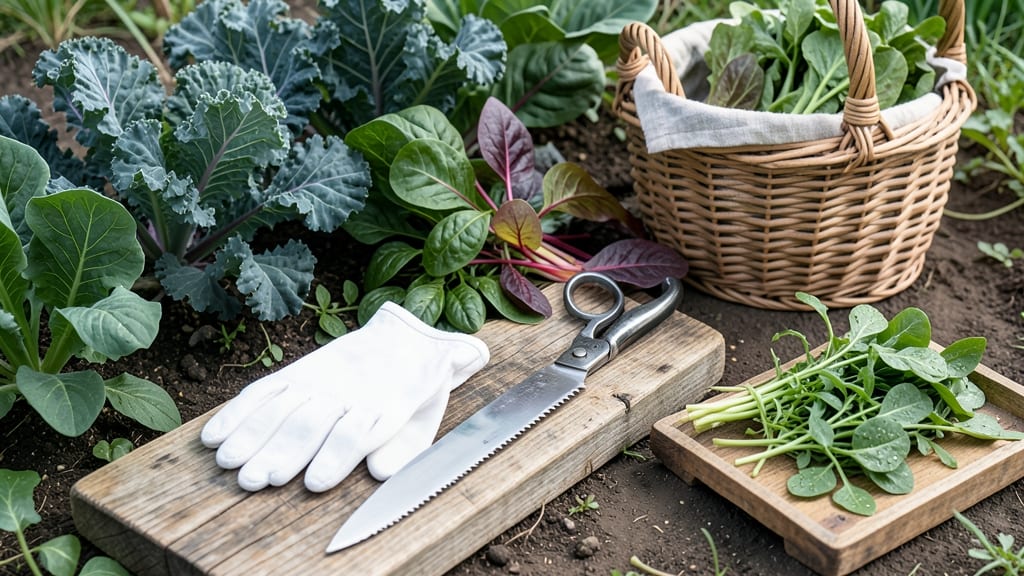
You can freeze leafy greens like spinach, kale, Swiss chard, and collard greens straight from the garden by washing, drying thoroughly, blanching for 1-2 minutes, and storing in airtight containers or bags. Avoid freezing delicate greens like lettuce or arugula without prep.
Freezing garden greens is one of the best ways to preserve their nutrients and flavors for months ahead. 🌿 The key lies in selecting hearty varieties—spinach, kale, and Swiss chard handle freezing exceptionally well because their thick leaves resist wilting and maintain vibrant color.
These greens also hold up better to the freezing process compared to their delicate counterparts like lettuce or arugula, which become mushy when thawed. Proper prep, including thorough drying and quick blanching, locks in freshness and prevents nutrient loss, making them ideal for winter soups or smoothies.
What sets these greens apart is their ability to retain texture and taste even after freezing. For example, kale's slightly bitter edge softens beautifully in cooked dishes, while Swiss chard's tender stems stay crisp when blanched correctly.
This makes them perfect for meal prep when you want to extend your garden harvest's shelf life without sacrificing quality.
💡 In This Article
- Why Blanching Preserves Garden Greens’ Texture and Nutrients
- Step-by-Step Freezing Prep for Garden Greens
Why blanching preserves garden greens’ texture and nutrients
Blanching works like a biological pause button for your greens. When you dip leafy vegetables in boiling water for 30-90 seconds (depending on the type), you halt enzymatic activity that causes discoloration and texture breakdown.
Kale, for example, contains enzymes that turn its vibrant green to a dull grayish-brown when frozen raw—a process called oxidation. The quick heat shock denatures these enzymes, preserving that garden-fresh color for up to 12 months in the freezer. 🔥
This process also prevents cell rupture that occurs during freezing. Water expands when it crystallizes, and without blanching, the delicate cell walls of greens like spinach burst under this pressure, creating a mushy texture.
Swiss chard’s thick stems handle this better than iceberg lettuce because their fibrous structure resists ice crystal formation. The blanching step creates a protective barrier around each cell, maintaining crispness even after thawing.
Nutrient retention is another critical factor. While freezing alone can degrade some vitamins (like vitamin C), blanching minimizes this loss by reducing exposure to oxygen—a vitamin C destroyer. Studies show properly blanched greens retain 80-90% of their vitamin A and folate compared to just 50% when frozen raw.
This makes blanched greens a smart choice for nutrient-dense winter meals.
Temperature control is everything here. The ideal blanching water temperature is 185-205°F—hot enough to stop enzymes but not so hot it starts cooking the greens. Over-blanching (more than 2 minutes) can make kale turn to mush, while under-blanching leaves enzymes active, leading to freezer burn and off-flavors.
A quick ice bath after blanching stops the cooking process instantly.
Not all greens respond equally to this treatment. Hearty greens like collard greens and mustard greens freeze exceptionally well because their thick leaves contain more structural fibers. Delicate varieties like arugula or butter lettuce lack this fibrous support, which is why they become limp when thawed.
The key is matching the greens to their freezing potential—hardy varieties thrive, while tender ones need special handling.
Consider this: frozen blanched kale maintains 70% of its original crispness when used in stir-fries, while raw frozen kale loses 90% of its texture. That’s the power of proper blanching in preserving both texture and nutrition through the freezing process. The science is simple—heat, cool, and lock in freshness! ✨