
Tools
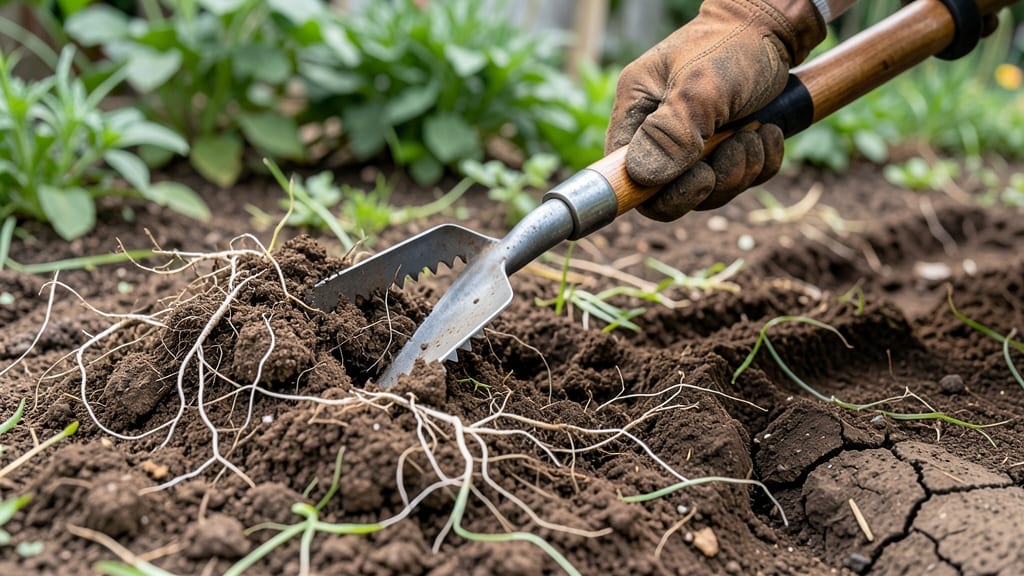
A garden cultivator is used for breaking up compacted soil, aerating root zones, and preparing garden beds efficiently, making it perfect for weeding, tilling, and creating ideal planting conditions for seeds or transplants.
A garden cultivator transforms hard, dense soil into loose, fertile ground that plants love. 🌱 The rotating tines slice through compacted layers, improving drainage while preventing erosion—critical for root development. Unlike manual digging, it handles large areas quickly, making it my go-to for both spring prep and post-harvest cleanup.
Plus, the right model can even help control weeds before they sprout, saving you hours of backbreaking work.
For new gardeners, I recommend starting with a lightweight manual cultivator for small beds, while larger yards benefit from motorized versions. The key is using it when soil is slightly moist—not too wet, or you'll create clods instead of crumbly texture.
This tool doesn't just save time; it extends your growing season by creating the perfect foundation for healthy plants.
💡 In This Article
- How a Cultivator Improves Soil Health and Plant Growth
- Best Cultivator Tasks for Different Garden Stages
How a cultivator improves soil health and plant growth
At its core, a garden cultivator works by mechanically disrupting compacted soil layers through its rotating tines or blades. When soil becomes hard-packed—often from foot traffic, heavy equipment, or natural settling—plant roots struggle to penetrate, leading to poor drainage and stunted growth.
The cultivator's tines slice through these layers at depths of 3-6 inches, breaking up the soil into finer particles that improve aeration. This process mimics natural soil turnover, allowing roots to spread more easily while increasing water infiltration by up to 40% in heavily compacted areas.
The biological benefits extend beyond just physical disruption. Loose soil encourages beneficial microbes and earthworms to thrive, which decompose organic matter and release nutrients in forms plants can absorb.
For example, a study from the University of California found that tilling with a cultivator increased earthworm populations by 35% in the first growing season, thanks to the improved oxygen levels in the soil.
The tool also helps prevent soil erosion by creating a rough surface that slows water runoff, especially valuable on slopes or after heavy rains.
One often overlooked advantage is how cultivators help manage soil temperature. Compacted soil retains heat longer, which can stress plant roots during summer months. By aerating the ground, a cultivator allows heat to escape more efficiently, keeping root zones at optimal 60-75°F ranges.
This is particularly important for heat-sensitive crops like lettuce or carrots, where root development can be severely impaired by overheating. The right timing—working soil when it's 60-70% moisture—ensures the tines glide through without creating clods or damaging young roots.
For vegetable gardens, the cultivator's ability to create a fine seedbed texture is game-changing. When preparing ground for direct sowing, the tines create a 1/4-1/2 inch loose top layer that seeds can easily penetrate, reducing the need for excessive watering during germination.
Unlike rototillers that can bring buried weeds to the surface, cultivators work more gently, disturbing only the top 2-3 inches of soil—perfect for maintaining existing plantings while controlling weeds. This precision makes it ideal for interplanting or adding new rows between established crops.
The physical act of tilling also helps break down old plant debris, preventing thatch buildup that can smother new growth. When used regularly, a cultivator maintains soil structure that resembles the natural loam found in healthy ecosystems.
Think of it as giving your garden's foundation a deep clean—without the backbreaking labor of manual digging. The key is consistency; even a 10-minute session every few weeks can maintain optimal soil conditions throughout the growing season.
What most gardeners don't realize is how cultivators help with long-term soil health by preventing the formation of hardpan—a nearly impermeable layer that forms below the surface. By regularly breaking up this potential barrier, you're essentially future-proofing your garden against one of the most common soil problems.
The result? Plants that establish stronger root systems, better resistance to drought, and ultimately higher yields—all while reducing the need for chemical fertilizers that compensate for poor soil structure.