
Tools
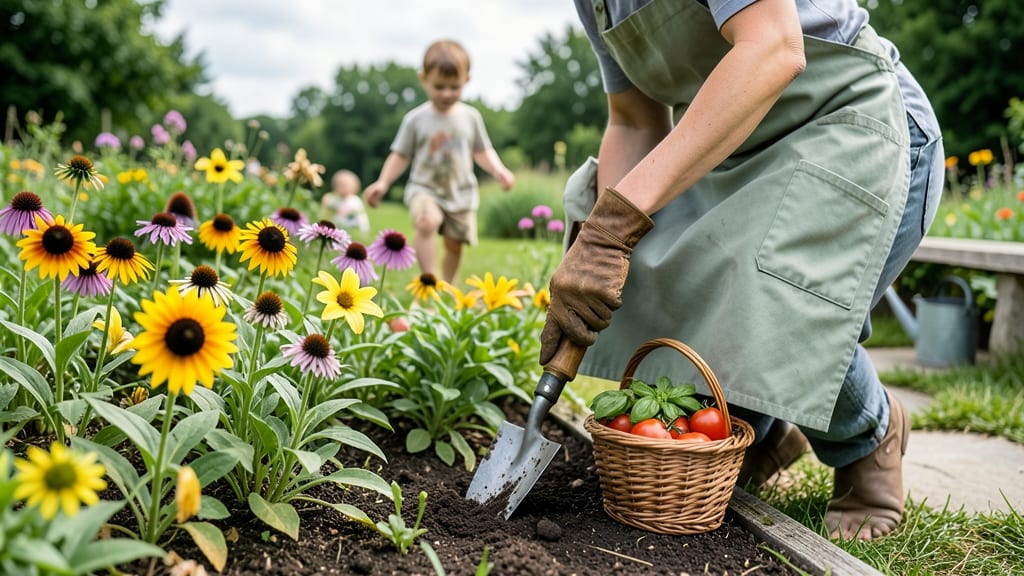
A garden mom is someone who nurtures plants with deep passion and expertise, often mentoring others to cultivate thriving gardens through hands-on care and community support.
A garden mom goes beyond traditional gardening by blending practical skills with a nurturing philosophy. 🌱 They focus on creating healthy ecosystems—whether through organic methods, plant propagation, or teaching others sustainable practices.
Unlike hobbyists, garden moms often share their knowledge through workshops, social media, or local gardening groups, turning gardening into a collaborative experience. Their approach emphasizes patience, problem-solving, and a love for seeing plants—and people—thrive.
What sets them apart is their ability to combine technical know-how with an infectious enthusiasm.
Whether it's troubleshooting pests, reviving wilting plants, or organizing community gardens, their goal is to inspire others to connect with nature. 💫 This role has evolved beyond just growing flowers or vegetables—it’s about fostering a culture of plant stewardship and shared growth.
💡 In This Article
- The Core Traits of a Garden Mom
- How to Cultivate a Garden Mom Mindset
The core traits of a garden mom
A garden mom’s identity is built on three foundational traits: patience, problem-solving, and plant care expertise. Unlike casual gardeners who might follow instructions strictly, garden moms develop an intuitive understanding of plant needs—like recognizing the subtle differences between overwatering (yellowing leaves) and underwatering (crispy edges).
Their patience shines when nurturing slow-growing plants, such as heirloom tomatoes or orchids, which can take months or even years to mature. This trait isn’t just about waiting; it’s about observing and adapting, like adjusting sunlight exposure when leaves start to scorch or pruning strategically to encourage bushier growth.
Problem-solving is where their expertise truly separates them. A garden mom doesn’t panic when pests like aphids or powdery mildew appear—they diagnose the issue by examining leaf patterns, soil moisture, and plant stress signals. For example, they might introduce ladybugs for aphids or adjust watering schedules to prevent fungal growth.
Their toolkit includes organic remedies like neem oil or companion planting (marigolds repelling nematodes), proving that solutions often lie in nature itself. This hands-on approach turns gardening into a science experiment where every season teaches something new. 🌿
Modern garden moms also prioritize sustainability and education, setting them apart from traditional gardeners. While older generations might focus solely on yield, today’s garden moms emphasize soil health—using compost, mulch, and cover crops to rebuild depleted earth.
They document their progress with photos or journals, sharing tips on social media or local groups to demystify gardening for beginners.
This mentorship aspect is key: whether teaching a neighbor how to propagate succulents or hosting a workshop on vertical gardening, their goal is to grow not just plants, but a community of green-thumbed enthusiasts.
What makes them unique is their ability to balance technical precision with emotional connection. A garden mom might spend hours researching the ideal pH for blueberries (4.5–5.5) but also celebrate the first ripe berry like a personal victory.
This duality—part scientist, part nurturer—creates a gardening philosophy that’s both practical and deeply rewarding. Their work isn’t just about growing food; it’s about cultivating resilience, curiosity, and a deeper appreciation for the natural world. 🌱
Consider the sensory details of their work: the earthy scent of fresh compost, the velvety texture of a healthy basil leaf, or the satisfying crunch of harvesting homegrown peppers. These moments reinforce their commitment to creating spaces that nourish both plants and people.
Unlike hobbyists who might garden for aesthetics alone, garden moms see every leaf and root as part of a larger ecosystem—one they’re eager to protect and share.