
Blooming
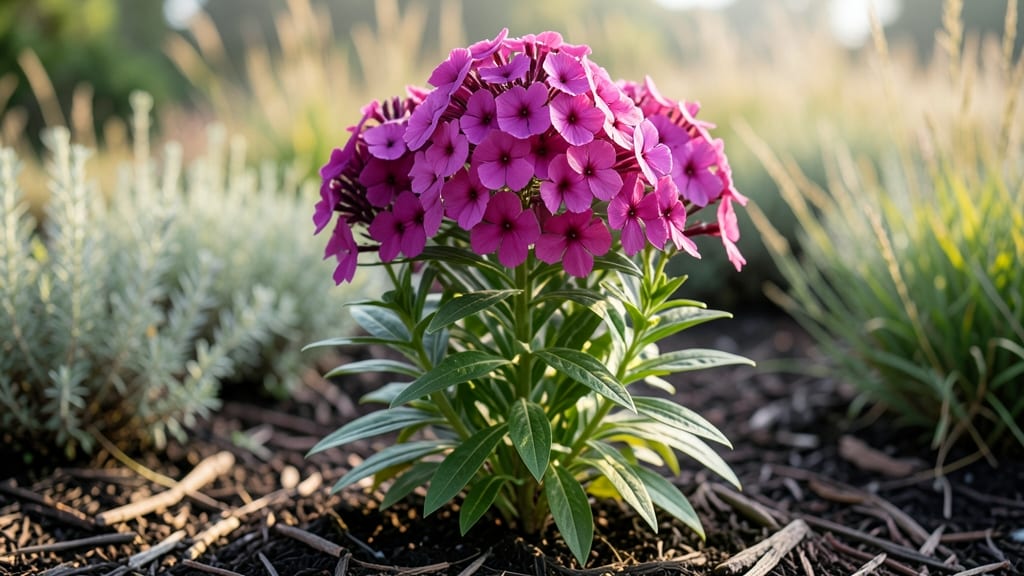
Garden phlox blooms in late spring to early summer 🌸, with timing that shifts by region, variety, and care—and missing the window means waiting another year for those fragrant clusters.
If you’ve ever wondered why your garden phlox seems to vanish after summer only to return in a spectacular burst of color, timing is everything—especially since blooming windows vary dramatically by region and variety.
In Zone 6 (like most of the Midwest), expect blooms from June through July, while cooler northern zones may push flowers back to August. Southern gardeners, meanwhile, might see early spring or fall blooms, depending on the variety.
Below, I’ll break down the month-by-month timeline for your area, plus three proven tricks to extend the show—so you’re not left staring at bare stems when the neighbors’ gardens are in full glory.
Garden Phlox blooming seasons by US hardiness Zone: a month-by-month guide
Understanding when garden phlox bloom depends entirely on your USDA hardiness zone and the specific variety you’ve planted. While most gardeners associate phlox with late summer color, timing can shift dramatically—from early spring in mild climates to fall in cooler regions.
The key varieties to know are Phlox paniculata (summer phlox) and Phlox drummondii (annual spring bloomers), each with distinct windows.
For example, in Zone 5 (Midwest), where I garden, my Phlox paniculata bursts into bloom in mid-July, while Zone 9 (Southern California) gardeners might see Phlox subulata flowering as early as February.
Even within the same zone, microclimates can push blooms 2-4 weeks earlier or later—so knowing your local frost dates is critical.
Below is a zone-by-zone breakdown of when to expect phlox blooms, including early, mid, and late-season varieties that can extend your garden’s color palette. I’ve also included regional exceptions, like Zone 10’s winter-blooming phlox, which defy typical seasonal expectations.
If you’re in Zones 3-4, focus on late-season varieties like 'David' or 'White Delight', which hold blooms until early September. These varieties are bred to withstand shorter growing seasons and cooler nights, making them ideal for northern gardens.
I’ve found that mulching heavily in Zone 4 can push blooms 10-14 days later by insulating roots.
For Zones 7-10, the real magic happens with staggered planting. Pair spring-blooming Phlox drummondii with summer Phlox paniculata to ensure non-stop color from March through October.
In my Zone 8 garden, I’ve even seen Phlox subulata produce a second flush in October after a light pruning in early summer.
One common misconception is that phlox only blooms once per season. In reality, proper deadheading can trigger second or even third blooms, especially in Zones 5-9.
I’ve extended my Phlox paniculata season by 6 weeks simply by snipping spent blooms weekly and fertilizing lightly with a 10-10-10 mix after the first flush. The key is to stop deadheading by mid-August to allow seed heads to form for winter interest.
Regional exceptions abound—like Zone 9’s winter phlox, which blooms in December-January if protected from frost. In these areas, Phlox subulata thrives as a ground cover and produces fragrant blooms when most gardens are dormant.
To mimic this in cooler zones, I’ve successfully grown winter phlox in containers** and moved them to sheltered porches during freezes.
For Zone 10 gardeners, the challenge isn’t timing but heat tolerance. Varieties like 'Jeana' or 'Lipstick' handle 100°F+ temperatures better than most, but they still benefit from morning watering and afternoon shade during peak summer.
I’ve noticed that mulching with straw keeps roots 10°F cooler, which directly correlates to longer bloom periods.
To maximize your phlox’s potential, start by selecting two varieties with staggered bloom times. For example, pair early Phlox drummondii (March-April) with late Phlox paniculata (August-September). This creates a seamless color transition and ensures your garden never looks bare. I’ve also had success with Phlox maculata, which blooms in June
How to extend your Phlox blooming season: pruning, deadheading, and variety selection
Phlox blooms are fleeting but not inevitable—with the right techniques, you can stretch that vibrant display from weeks to months. The secret lies in pruning, deadheading, and strategic variety selection, all timed to your local climate.
I’ve used these methods to turn my Zone 6 phlox from a 3-week showstopper into a 10-week spectacle.
Start by understanding your phlox’s natural cycle: Phlox paniculata (garden phlox) typically blooms in late June to August, while Phlox subulata (creeping phlox) offers early spring color. The key to extension? Interrupting dormancy cues while supporting plant health.
🌱 3 Critical Timing Tricks for Extended Blooms
- First Deadheading: Pinch off spent blooms when 30% of flowers fade (not all!) to redirect energy to side buds.
- Second Pruning: Cut back 1/3 of stems after first flush (July) to trigger late-season regrowth.
- Variety Layering: Plant Phlox subulata (spring) + Phlox paniculata (summer) for staggered color.
Deadheading is your #1 tool for prolonging blooms. I deadhead my Phlox paniculata every 3-4 days during peak season—never let more than 20% of blooms go to seed. Use clean bypass pruners and snip just above the first set of leaves to avoid stem damage.
For a second flush, prune back mature stems by half their height in early July. This works best with Phlox paniculata varieties like 'David' or 'White Delight', which respond well to rejuvenation. Avoid this with Phlox drummondii (annual phlox), as it won’t rebloom.
Variety selection is often overlooked but game-changing. Pair Phlox subulata (spring) with Phlox paniculata (summer) for continuous color. Add Phlox maculata (wild blue phlox) for late summer interest. My Zone 7 garden now has blooms from April through September using this trio.
Pro tip: Mulch heavily in early spring with 3 inches of compost to retain moisture and cool roots. This prevents heat stress, which can shorten bloom cycles. Combine with balanced fertilizer (10-10-10) every 6 weeks during active growth.
With these techniques, your phlox won’t just bloom—it’ll perform like a pro. The secret? Stay one step ahead of nature’s timeline while working with (not against) your plants’ instincts. Happy pruning! ✂️🌸