
Planting
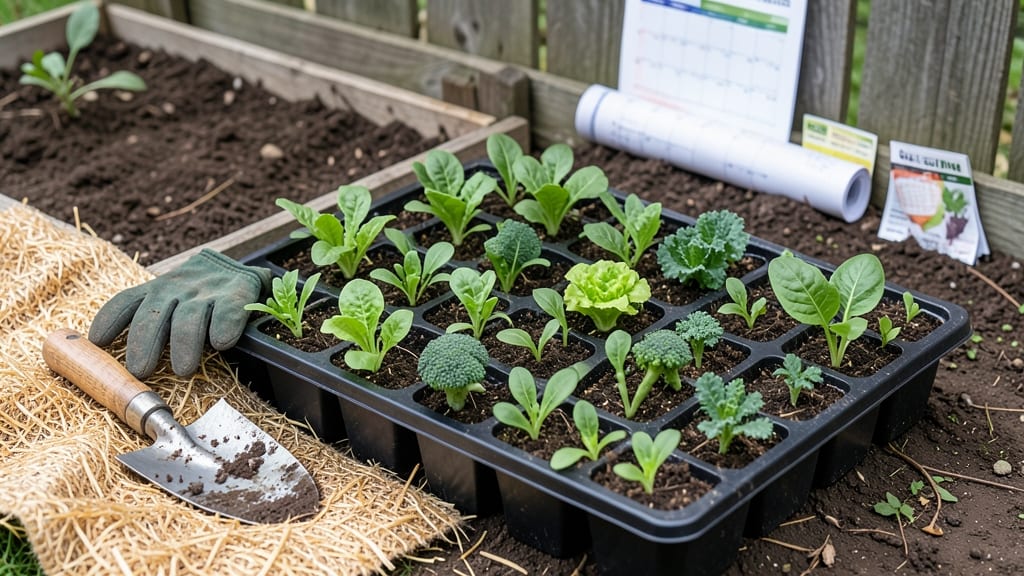
Planting a garden in Ohio after your last frost date—typically mid-April to mid-May—sets the stage for a bountiful harvest 🌱.
Ohio’s unpredictable spring weather can turn your gardening dreams into a guessing game—but timing your plantings by the state’s 9 USDA hardiness zones ensures your tomatoes, peppers, and flowers thrive instead of wither.
Whether you’re in colder northern Ohio (Zone 5a) or warmer southern areas (Zone 6b), knowing the exact window for cool-season crops like spinach or warm-season favorites like peppers makes all the difference.
Below, I break down zone-specific planting schedules, frost adjustments, and backup strategies so you can avoid common mistakes and maximize your garden’s success.
Ohio planting calendar by zone: exact dates for vegetables, flowers & herbs
Ohio’s USDA zones 5a–6b create a unique gardening puzzle—where last frost dates can vary by 2–3 weeks between northern Toledo (5b) and southern Columbus (6a). Getting your planting timeline right means the difference between a bountiful harvest and wilted seedlings.
Below, I’ve broken down the exact planting windows for Ohio’s most popular crops, adjusted for microclimates and soil temperature quirks.
For cool-season crops like spinach and peas, you’ll want to start 4–6 weeks before your last frost date, while warm-season staples (tomatoes, peppers) need to wait until soil reaches 60°F.
Perennials and herbs like basil have their own sweet spots—plant them too early, and they’ll bolt; too late, and they’ll struggle to establish roots before winter. Let’s dive into the zone-specific schedule that’ll keep your garden thriving.
| Crop Type | Zone 5a (Toledo) | Zone 5b (Findlay) | Zone 6a (Columbus) | Zone 6b (Cincinnati) |
|---|---|---|---|---|
| Cool-Season Veggies (Spinach, Peas, Lettuce) | March 15–April 15 | March 20–April 10 | March 25–April 20 | April 1–April 25 |
| Warm-Season Veggies (Tomatoes, Peppers, Basil) | May 15–June 1 (after last frost) | May 1–May 15 | April 25–May 10 | April 15–April 30 |
| Herbs (Cilantro, Dill, Parsley) | March 1–April 15 | March 10–April 10 | March 15–April 20 | March 20–April 25 |
| Flowers (Marigolds, Zinnias, Sunflowers) | April 15–May 15 | April 1–May 1 | March 25–April 15 | March 15–April 1 |
| Perennials (Coneflowers, Lavender, Hostas) | April 1–May 15 | March 20–April 15 | March 15–April 10 | March 1–March 20 |
| Last Frost Date (Avg.) | April 20 | April 10 | April 5 | March 31 |
If you’re in zone 5a (Toledo), your last frost date typically lands around April 20, giving you a shorter window for warm-season crops like tomatoes. Start your tomato seedlings indoors by March 15 to transplant them outdoors by May 15.
Meanwhile, zone 6b (Cincinnati) gardeners can plant peppers and basil as early as April 15, thanks to their later frost dates.
For cool-season crops, don’t wait until the last minute—spinach and peas can handle light frosts, but planting them 4–6 weeks before your last frost ensures they’re ready to harvest before the heat of summer.
In zone 5a, that means starting seeds by March 15, while zone 6b gardeners can wait until April 1. Pro tip: Use row covers to extend your cool-season planting by 2–3 weeks if a late frost threatens.
Herbs like basil and cilantro are finicky about timing—plant basil too early, and it’ll bolt; plant it too late, and it’ll struggle in the heat.
In zone 5a, wait until May 1 to transplant basil outdoors, while zone 6b gardeners can start as early as April 15.
How to adjust planting dates for Ohio’s unpredictable weather patterns
Ohio’s late frosts and unpredictable soil temperatures can throw off even the best-laid gardening plans. I’ve learned the hard way—planting too early means frost-damaged seedlings, while waiting too long risks stunted growth or missed harvests.
The key is flexibility, using soil thermometers and row covers to fine-tune your schedule for zones 5a–6a.
Start by checking your last frost date—typically April 15 for most of Ohio, but it can shift 2 weeks earlier or later depending on your microclimate. For example, Toledo’s zone 6a often warms faster than Columbus’s zone 6b.
Use these adjustments to protect your warm-season crops like tomatoes and peppers, which need soil temps above 60°F to thrive.
Ohio’s average last frost date is April 15, but it can hit as late as May 10. If you’re planting warm-season crops (tomatoes, peppers, cucumbers) before May 1, always have row covers ready. For cool-season crops (spinach, peas), a light frost won’t harm them—just heavy frost (below 28°F) will. Use a soil thermometer to confirm temps are stable above 50°F before planting.
For zone 5a gardeners (northwest Ohio), delay planting tomatoes and peppers until May 15–20 unless you use black plastic mulch or row covers to warm the soil faster. In zone 6a/6b, you can start direct-sowing these crops by April 25 under protection.
Pro tip: Plant fast-maturing varieties like ‘Early Girl’ tomatoes (55 days to harvest) to hedge your bets against unexpected cold snaps.
If a heatwave strikes early (like Ohio’s 90°F+ days in June), switch to shade-tolerant crops like bush beans or Swiss chard instead of struggling with bolting lettuce.
For backup planting dates, note these rules: Cool-season crops can go in 4–6 weeks before last frost (so March 15–April 1), while warm-season crops need 60–90 days of frost-free weather—so late July plantings of fast-growing radishes or bok choy can still yield before frost.
Don’t forget succession planting! If your first planting of lettuce bolts in June heat, sow heat-tolerant varieties like ‘Jericho’ or ‘Black Seeded Simpson’ every 2 weeks until July 15.
For perennials, like asparagus or rhubarb, plant crowns in early spring (March–April) so roots establish before summer dormancy.
My go-to tools for adjusting dates: a soil thermometer ($15), frost-sensitive plants (like marigolds) as early warnings, and a weather alert app for 60°F soil temp notifications. With these, you’ll turn Ohio’s unpredictable weather into a strategic advantage instead of a gardening obstacle. 🌱