
Planting
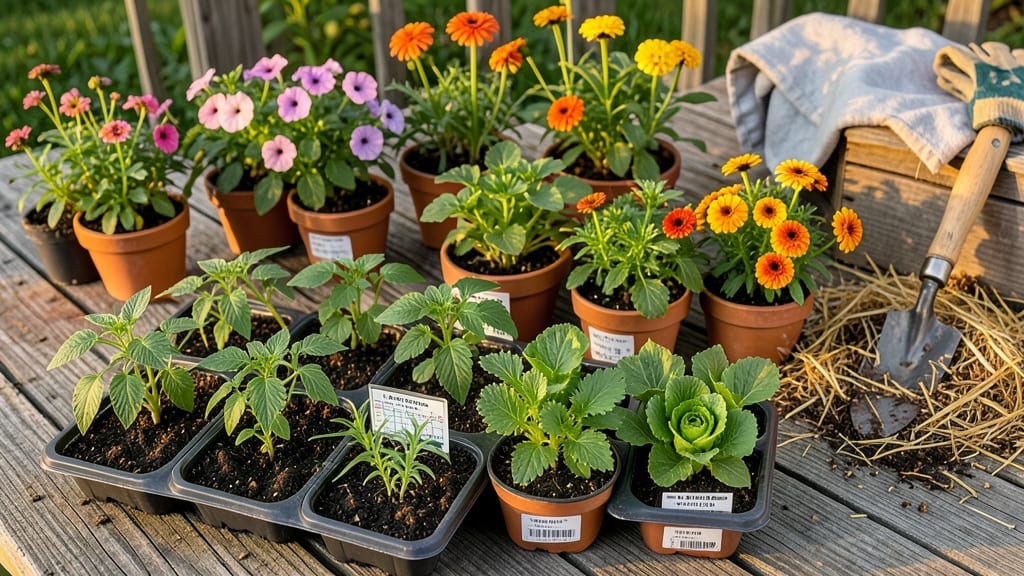
Planting your garden in North Carolina at the right time means the difference between a bountiful harvest and wasted effort. The state’s varied climate—from the cool mountain air to the humid coastal plains—demands precise timing to avoid frost damage or scorched seedlings.
If you’ve ever watched your 🌱 General Garden Plants wilt after a surprise frost or bolt into flower too soon, you know how critical the calendar is.
The key? Aligning your planting with your USDA zone (6a–8b) and local frost dates, which can shift by weeks from the mountains to the coast.
In this guide, I’ll break down the exact months to start seeds and transplant by region—plus how to adjust for early or late frosts. Whether you’re sowing cool-season greens in March or warm-season tomatoes in May, you’ll learn the deadlines that keep your garden thriving.
Ready to stop guessing and start growing? Let’s dive into the zone-specific planting schedule that works for North Carolina’s diverse weather.
North Carolina planting zones: when to start seeds and transplant by region
North Carolina spans USDA zones 5b through 8a, creating dramatic differences in planting windows from the cool mountain valleys to the humid coastal plains. Understanding your specific zone helps you avoid frost damage while maximizing your garden’s potential.
The Piedmont region (like Raleigh and Greensboro) typically falls in zone 7a-7b, while the mountains (Asheville, Boone) hover around zone 6b-7a, and the coastal areas (Wilmington, Morehead City) reach zone 8a.
Your planting timeline should align with last spring frost dates and first fall frost dates, which vary by 100+ days across the state.
For example, mountain gardeners in zone 6b may see their last frost as late as May 1, while coastal gardeners in zone 8a can plant warm-season crops by mid-March.
Cool-season crops like kale, spinach, and peas thrive when soil temperatures stay below 70°F, while tomatoes, peppers, and cucumbers need consistent warmth above 60°F.
For cool-season crops, start seeds indoors 4-6 weeks before your last frost date. In zone 7b (Piedmont), this means sowing spinach and lettuce by mid-February for transplanting in early spring. Harden off seedlings by placing them outdoors for 2-3 hours daily starting 10 days before transplanting.
Warm-season crops like tomatoes and peppers need a longer indoor head start—begin seeds indoors 8-10 weeks before your last frost (e.g., late January in zone 8a and early March in zone 6b).
Transplanting outdoors requires soil temperatures above 60°F for most vegetables. Use a soil thermometer to check—cooler soils delay germination.
In zone 7a, wait until mid-April for tomatoes, while zone 8a gardeners can transplant by mid-March. Succession planting is key for a continuous harvest: Sow bush beans and carrots every 2 weeks after your last frost date to extend your harvest window.
Don’t overlook fall planting, which often yields sweeter crops. In zone 6b, plant broccoli and cabbage by mid-August for a fall harvest before frost. Coastal gardeners in zone 8a can even plant warm-season crops like okra in late summer for a winter harvest.
Always account for maturity days—choose fast-maturing varieties (e.g., 45-day tomatoes) if your growing season is short.
Microclimates play a huge role in NC gardening. A south-facing slope warms up faster than a north-facing valley, allowing you to plant 2-3 weeks earlier in sunny spots. Use row covers or cold frames to extend your season by 2-4 weeks in cooler zones.
Conversely, mulch heavily in zone 8a to protect crops from heat stress during summer’s peak.
Monitor local frost forecasts via the NC State Climate Office or Almanac’s Frost/Freeze Tool. In zone 7b, a late frost in April can devastate tender seedlings, while zone 8a may experience unexpected light frosts in December.
Plan for frost protection by keeping row covers, old blankets, or plastic sheets on hand. Even a single night below 32°F can damage eggplants and peppers, so prioritize heat-loving crops in cooler zones.
Adjust your planting schedule annually based on observed frost dates rather than averages. If your last
Best crops to plant by month in North Carolina (with frost protection tips)
North Carolina’s diverse microclimates mean your planting calendar should shift from the mountains to the coast. In the Piedmont, for example, you can start cool-season crops like kale and carrots as early as February, while coastal areas wait until March to avoid late frosts.
The key? Knowing your last frost date and using frost protection to extend your growing season.
For frost-sensitive plants like tomatoes and peppers, wait until after May 1 in most zones—unless you’re using row covers or cold frames. Meanwhile, hardy greens like spinach and lettuce thrive in fall, even as temperatures dip. Let’s break it down by month to maximize your harvest.
- February-March: Start cool-season seeds indoors (e.g., broccoli, cabbage) or sow directly in protected beds with row covers. Ideal for onions, peas, and radishes.
- April: Transplant hardy seedlings like kale, carrots, and beets after last frost. Use cold frames for early tomato starts in Zone 7+.
- May: Plant heat-loving crops (e.g., peppers, cucumbers, squash) after soil warms to 60°F+. Succession plant beans and lettuce every 2 weeks.
- June-July: Focus on succession planting for bush beans, zucchini, and basil. Mulch heavily to retain moisture during summer heat.
- August-September: Sow fall crops like spinach, turnips, and garlic. Extend harvests with low tunnels for cool-season greens.
- October-November: Plant garlic and cover crops (e.g., clover, winter rye) to protect soil. Harvest late tomatoes and peppers before frost.
Protecting your plants from unexpected frosts is critical. Use floating row covers for early spring or late fall plantings—they raise soil temps by 5-8°F. For sensitive seedlings, try mini greenhouses or cloche covers.
Even a lightweight blanket draped over plants can save them from a 28°F night.
Don’t forget succession planting! Instead of sowing all your bush beans at once, stagger plantings every 2 weeks for a continuous harvest. This works especially well for fast-growing crops like radishes and lettuce, ensuring you don’t end up with a glut—or none at all.
In Zone 8a (coastal NC), you can even plant winter squash in late summer for a fall harvest. Meanwhile, mountain gardeners (Zone 6b) should prioritize cold-hardy crops like potatoes and Brussels sprouts, which thrive in cooler temps.
Adjust your schedule based on your local frost dates—check the NC State Extension for updates.
With these monthly guidelines and frost-proofing tips, you’ll turn NC’s challenging climate into your garden’s superpower. Happy planting! 🌱