
Planting
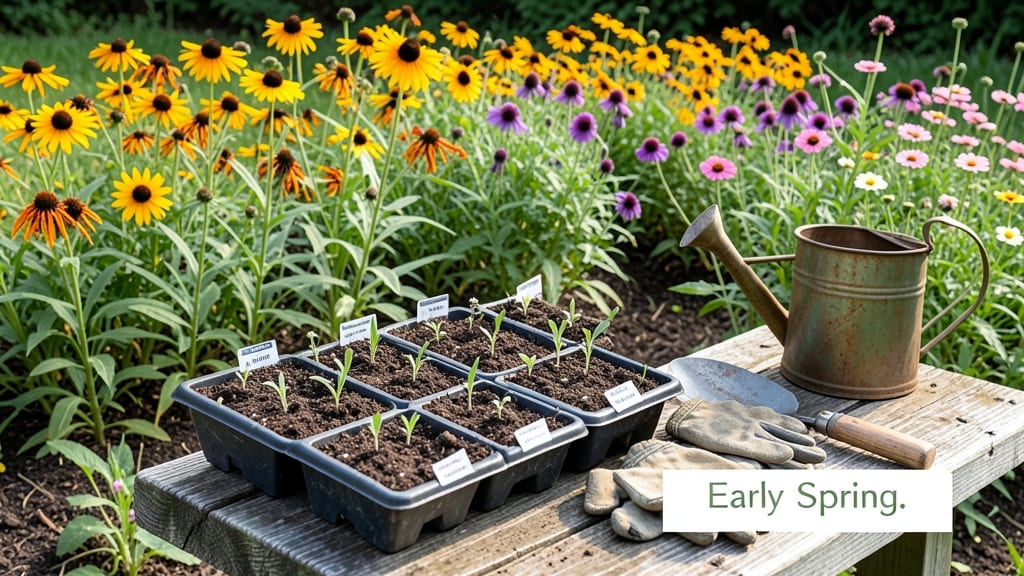
The best time to plant a garden in Tennessee depends on your zone, but the sweet spot is late February through early April for spring and late August to October for fall.
Picture this: you’ve just cleared your soil, your hands are covered in dirt, and you’re ready to plant. But if you’re in East Tennessee’s cooler 6a zone, that early spring planting might still be too chilly for tender seedlings.
Meanwhile, West Tennessee’s 7b gardeners could be scrambling to beat the summer heat if they wait too long.
Tennessee’s varied climate—from the Appalachian Mountains to the Mississippi Delta—means planting times vary wildly. Get it wrong, and your 🌱 General Garden Plants could struggle; get it right, and you’ll enjoy a bountiful harvest. Here’s your zone-by-zone guide to timing plantings perfectly for Tennessee’s unique growing seasons.
Below, I’ll break down the ideal windows for cool-season crops (like lettuce and broccoli) versus warm-season favorites (tomatoes and peppers), plus how to adjust for your specific microclimate. No more guessing—just peak success for your garden.
Tennessee planting zones: key dates for cool-season vs. warm-season crops
Tennessee spans USDA zones 5a through 7a, creating a patchwork of planting windows that can confuse even experienced gardeners.
In the cooler mountain regions (zones 5a-6a), like the Appalachians, last frosts often arrive in mid-April, while the warmer Delta regions (zones 6b-7a) near Memphis may see frost-free soil by mid-March.
These differences mean your cool-season crops like broccoli or spinach could bolt in Memphis if planted too early, while warm-season crops like tomatoes might struggle in the Smokies if planted too late.
To simplify, I’ve broken down the ideal planting windows for both cool-season and warm-season crops across Tennessee’s zones. The key is understanding soil temperature thresholds: cool-season crops thrive in 45-65°F soil, while warm-season crops need 60-70°F to germinate.
Use a soil thermometer to confirm readiness—especially in transitional months like March and October.
| Zone | Last Frost Date | First Frost Date | Cool-Season Planting | Warm-Season Planting |
|---|---|---|---|---|
| 5a (East TN Mountains) | Mid-April | Mid-October | Late March–Early May / Late August–Early October | After May 15 / Late July |
| 6a (Middle TN) | Early April | Late October | Early March–Early May / Late August–Mid-October | After April 15 / Late June |
| 6b (West TN) | Mid-March | Early October | Late February–Early May / Late July–Mid-October | After March 20 / Early July |
| 7a (Shelby County) | Late February | Mid-September | Early February–Early May / Late July–Late October | After February 28 / Early June |
For cool-season crops, prioritize spring and fall plantings. In zones 5a-6a, start spinach, kale, and peas in late February to early March under row covers to protect from late frosts. In warmer zones (6b-7a), you can push lettuce and radishes as early as mid-February.
Fall plantings should begin 8-10 weeks before your first frost—so if frost hits in mid-October (zone 5a), plant by early August.
Warm-season crops like tomatoes, peppers, and cucumbers demand patience. Wait until soil temperatures exceed 60°F—typically mid-April in zone 5a but as early as late February in zone 7a. To hedge your bets, use black plastic mulch or straw bales to warm the soil faster.
If you miss the spring window, late summer plantings (after July 15) can still yield fall harvests in zones 6b-7a, but avoid this in cooler zones.
Herbs like basil and cilantro are finicky about timing. Basil needs warm soil and hates frost, so plant it after May 1 in all zones. Cilantro, however, bolts in heat—so sow it in early spring (March) or late summer (August).
For perennials like asparagus, plant crowns in early spring (March); they’ll take 2-3 years to establish but reward you with decades of harvests.
Pro tip: Use NOAA’s frost prediction maps to fine-tune your timing. For example, Nashville (zone 6b) might see a late frost in April, while Memphis (zone 7a) rarely drops below freezing after mid-February.
Adjust your schedule accordingly—cool-season crops planted too early in warm zones will bolt or rot, while warm-season crops planted too late in cool zones may stunt or fail to fruit
How to adjust planting times for Tennessee’s microclimates (mountains vs. plateau vs. Delta)
Tennessee’s geography creates three distinct microclimates that drastically affect planting times. The Appalachian Mountains in East Tennessee (USDA zones 6a-6b) can see last frosts in late April, while the Mississippi Delta in West Tennessee (zone 7b) often warms up by mid-March.
Even the Central Plateau (zone 7a) sits in between, requiring nuanced adjustments. Understanding these differences helps you avoid common mistakes like planting tomatoes too early in the mountains or lettuce too late in the Delta.
For cool-season crops like broccoli or spinach, East Tennessee gardeners should wait until mid-April after the last frost, while West Tennessee can start by mid-March. Warm-season crops like peppers and squash need soil temperatures above 60°F, which happens 2-3 weeks earlier in the Delta than in the mountains.
These timing shifts can mean the difference between a thriving garden and a failed season.
One of the biggest mistakes Tennessee gardeners make is assuming a one-size-fits-all approach. In the mountains, planting warm-season crops like cucumbers before Memorial Day risks frost damage, while in the Delta, delaying planting until June can lead to bolting lettuce or bitter melons.
To adjust, I recommend checking your local NOAA frost calendar and adding a 2-3 week buffer for mountain zones or a 1-week buffer for the Delta.
For those in transition zones like Nashville (zone 7a), I suggest starting with cool-season crops in early March under row covers and switching to warm-season plants by early May. Use soil thermometers to confirm temperatures are ideal—60°F for warm-season crops and 50°F for cool-season crops.
This precision helps avoid the heartbreak of stunted seedlings or wilted transplants.
Don’t forget about fall planting, which can be just as productive. In the mountains, you can extend the season until early October with row covers, while the Delta allows for planting until mid-October.
Focus on fast-maturing varieties like radishes or bush beans to maximize your harvest before the first frost. With these adjustments, your Tennessee garden will thrive regardless of where you live.
Pro tip: If you’re unsure about your microclimate, observe your neighbors’ gardens. Their planting success (or failures) can give you valuable clues about the best timing for your area. Happy planting! 🌱