
Tools
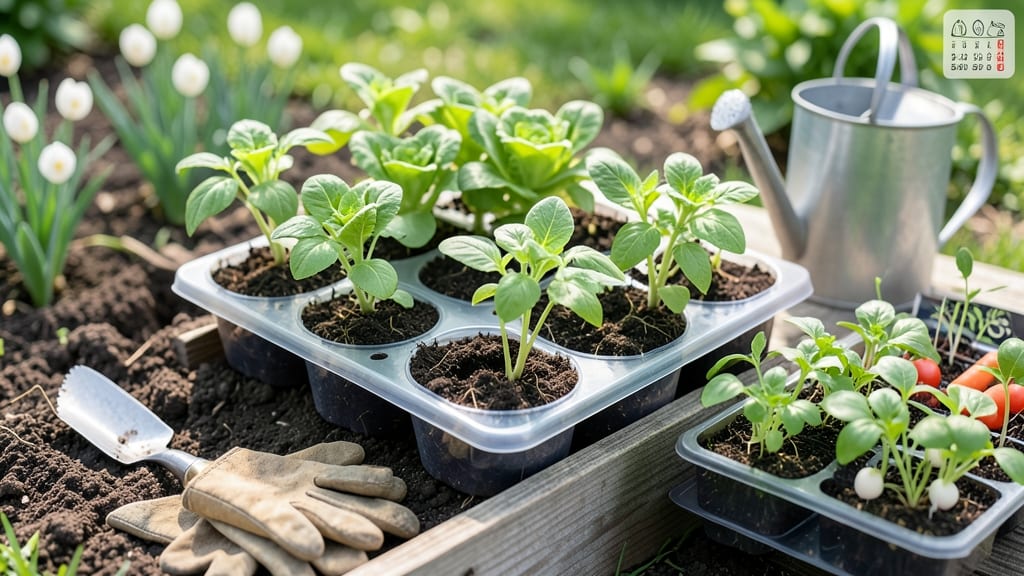
Starting a vegetable garden at the right time means the difference between a bountiful harvest and a sad, wilted disappointment — so knowing when to begin depends on your climate zone, frost dates, and the crops you dream of growing.
Picture this: you’ve cleared the soil, ordered seeds, and are ready to plant—only to watch your seedlings freeze overnight because you missed the critical window. Or worse, your tomatoes bolt in the heat before they ripen because you started too early.
Timing isn’t just a detail; it’s the foundation of your garden’s success.
For most gardeners in Zone 6a, like myself, the sweet spot is 4-6 weeks before your last frost (around mid-March for me), when cool-season crops like lettuce and peas thrive. But warm-season lovers can’t wait until after the last frost—usually late April—to plant tomatoes and peppers.
Below, I’ll break down the exact timing for your zone, plus how to tweak it for early or late harvests.
You’ll also discover how to read your local frost dates, adjust for microclimates, and avoid the three biggest planting mistakes that sabotage even the most eager gardeners. Let’s get your 🌱 vegetable garden off to the best possible start.
Best planting times by u.s. climate Zones (with frost-free date maps)
Getting your vegetable garden's planting timing right depends entirely on your USDA climate zone and the last frost date in your area.
In Zone 3 (like Minnesota or Maine), you might start cool-season crops in early May, while Zone 10 (Florida or Southern California) can plant year-round with minimal frost risk. The key is aligning your seed-starting dates with soil temperatures and frost-free windows.
Most gardeners follow a simple rule: cool-season crops (like lettuce, spinach, and peas) go in 4-6 weeks before your average last frost date, while warm-season crops (tomatoes, peppers, cucumbers) wait until after the last frost.
But microclimates—like urban heat islands or sheltered valleys—can shift these windows by 2-4 weeks. Always check your local Cooperative Extension Service for precise frost data.
Below is a zone-by-zone breakdown of ideal planting windows, including adjustments for early/late varieties and succession planting. Use this as your guide, but remember: soil temperature (not air temperature) is the real deciding factor for seed germination.
In Zones 3-4, where frost lingers late, I always start cool-season crops indoors under grow lights 6-8 weeks before the last frost. For Zone 5-6 (where I garden), I plant peas and spinach in early April and tomatoes after Mother’s Day.
Meanwhile, in Zones 7-10, gardeners can often plant warm-season crops like okra or sweet potatoes as early as February.
Don’t forget about fall planting—it’s just as productive as spring! In Zones 5-8, I sow broccoli, kale, and carrots in late July for a harvest before winter sets in.
The rule of thumb is to plant 8-10 weeks before your first frost, giving crops time to mature before cold snaps. Use a frost calendar (available from your local extension office) to pinpoint exact dates.
Microclimates can drastically alter these windows. A south-facing wall might warm up 2-3 weeks earlier than your average last frost date, while a low-lying area could delay planting by the same margin.
Test your soil temperature with a soil thermometer—most seeds need 40°F for cool-season crops and 60°F+ for warm-season crops to germinate reliably.
For succession planting, stagger your sowings every 2-3 weeks to ensure a continuous harvest. In Zones 3-6, this means planting lettuce or radishes every 10 days from spring to early summer.
In warmer zones, you can extend this into fall. Always check the days to maturity on seed packets to plan your timing—this tells you exactly when to start the next batch.
Pro tip: Use row covers or cold frames to push your planting windows earlier or later. In my Zone 6a garden, I’ve successfully grown spinach in March and kale in October by using lightweight frost blankets.
Just remove them during the day to prevent overheating. For warm-season crops, black plastic mulch can warm the soil 5-10°F faster than
How to adjust planting timing for early/late harvests (extending your growing season)
Want to enjoy homegrown tomatoes in July instead of August? Or fresh spinach in December instead of May? Adjusting your planting timing can transform your harvest schedule—all it takes is a few strategic techniques.
The key is understanding how to extend your growing season using tools and methods tailored to your climate zone. Whether you're in a short-season zone like Alaska or a long, hot summer like Arizona, these methods will help you push your garden's limits.
Most gardeners focus on planting right before the last frost, but the real magic happens when you plant earlier or later than traditional windows. By using cold frames, row covers, and heat-tolerant varieties, you can turn a 6-month harvest window into a 9- or 10-month bounty.
Let’s break down the best ways to adjust your timing for early or late harvests, so you can enjoy fresh produce all year long.
- Use Cold Frames or Low Tunnels
Install a cold frame or low tunnel 4-6 weeks before your average last frost date. These structures trap heat from the sun and protect plants from light frosts. Perfect for leafy greens, radishes, and peas—you can harvest them weeks earlier than usual!
- Try Row Covers for Extended Seasons
Lightweight floating row covers add 4-10°F of warmth, allowing you to plant cool-season crops 2-3 weeks earlier in spring or 2-4 weeks later in fall. They also deter pests like cabbage moths and flea beetles.
- Plant Heat-Tolerant Varieties
Swap out traditional varieties for heat-resistant plants like 'Malaga' tomatoes or 'Early Girl' peppers. These thrive in 85°F+ temperatures and can produce fruit even when other plants wilt.
- Master Succession Planting
Instead of planting all your lettuce or beans at once, stagger seeds every 2-3 weeks. This ensures a continuous harvest and maximizes your garden’s productivity. Example: Plant bush beans every 10 days for fresh pods all summer.
- Harvest Before Frost Strikes
For late-season crops like kale or carrots, focus on harvesting leaves or roots before hard frosts hit. These plants often taste sweeter after frost and can survive light freezes if protected.
Don’t let your growing season feel limited by your climate. By combining these techniques, you can shift harvests earlier or later while keeping your plants healthy. For example, in USDA Zone 5, I’ve used row covers to harvest spinach in late October instead of September.
In Zone 9, heat-tolerant varieties let me enjoy peppers through November.
Start with one method—like adding a cold frame for early spring or using succession planting for summer crops—and expand as you gain confidence. Your garden’s harvest timeline will thank you! 🌱