
Fertilization
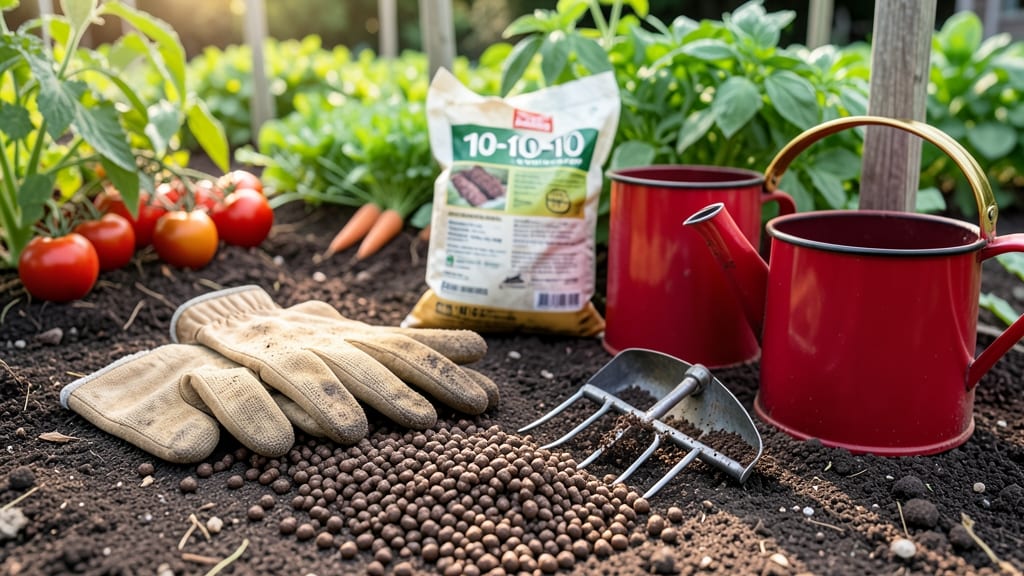
Fertilizing your garden at the right times is the key to lush growth and thriving 🌱—but timing it wrong can burn roots or waste nutrients. The best schedule depends on your soil, climate, and plant needs, not just a one-size-fits-all calendar.
Picture this: you’ve spent hours planting your favorite vegetables and flowers, only to watch them struggle because you fed them at the wrong moment. Maybe you fertilized too early in spring when roots weren’t ready, or too late in summer when heat stress took over.
The difference between a bountiful harvest and a disappointing one often comes down to when—and how—you feed your garden.
In this guide, you’ll learn how to read your soil’s signals, align fertilization with your plants’ natural growth cycles, and avoid common mistakes that drain your wallet and your patience.
Whether you’re a beginner or a seasoned gardener, a soil-test-based approach ensures you’re giving your garden exactly what it needs—no guesswork required.
We’ll break down the ideal timing for spring planting, summer maintenance, and fall prep, plus how to adjust for your specific USDA zone. By the end, you’ll know exactly when to reach for the fertilizer (and when to leave it on the shelf).
Soil test results: how to determine your garden’s fertilizer needs
Your soil test results are the roadmap to a thriving garden. They reveal critical details like pH levels, NPK ratios, and organic matter percentages—all of which dictate when and how to fertilize.
Without this data, you might be over- or under-feeding your plants, wasting money or risking damage. Let’s decode these results to create a custom fertilization timeline tailored to your garden’s unique needs.
First, check your pH level. Most vegetables prefer a slightly acidic to neutral pH of 6.0–7.0, while blueberries thrive in acidic soil (4.5–5.5). If your test shows a pH of 5.0 or below, your plants may struggle to absorb essential nutrients like phosphorus and potassium.
Use lime to raise pH gradually, or sulfur to lower it if it’s too high.
A low NPK reading (e.g., nitrogen below 20 ppm) signals your soil lacks primary nutrients. For example, nitrogen deficiency causes pale yellow leaves, while potassium deficiency leads to weak stems.
Adjust your fertilizer blend: use a high-nitrogen (30-0-5) fertilizer for leafy greens or a balanced (10-10-10) mix for flowering plants.
If your organic matter percentage is below 3%, your soil lacks the nutrients and microbial life needed for healthy plants. Boost it by mixing in well-aged compost or leaf mold before planting. For example, tomatoes and peppers benefit from 4–6% organic matter to support their heavy fruiting demands.
For a DIY soil test if professional testing isn’t an option, grab a pH test kit (available at garden centers for ~$10) and a handful of soil from 6 inches deep.
Moisten the soil with distilled water, then use the kit’s color chart to estimate pH. For NPK, observe your plants: yellow leaves = nitrogen deficiency; purple stems = phosphorus deficiency; weak stems = potassium deficiency.
Timing matters just as much as what you apply. For spring-planted vegetables, fertilize at planting and again 4–6 weeks later to support rapid growth. Perennials like roses need a slow-release fertilizer in early spring and a light feeding in summer.
Avoid fertilizing in late summer or fall, as new growth won’t harden off before winter.
Pro tip: Water your plants 24 hours before and after fertilizing to prevent root burn. For container gardens, use half the recommended dose since nutrients leach out faster. Always follow the label instructions for synthetic fertilizers, but for organic options, err on the side of caution—less is often more.
Finally, re-test your soil every 2–3 years or if you notice poor growth despite fertilizing. Soil chemistry changes over time due to weather, plant uptake, and amendments. By staying proactive, you’ll ensure your garden gets the right nutrients at the right time—no guesswork required.
Seasonal fertilization schedule by plant type and climate Zone
Fertilizing your garden at the right time is like feeding your plants a perfectly timed meal—too early or late, and they won’t thrive. The key lies in matching your plant type with your USDA hardiness zone and seasonal growth cycles.
For example, tomatoes in Zone 7 need a spring boost, while roses in Zone 4 benefit from a late-summer feeding. Let’s break down the optimal fertilization windows for common garden categories, so you can avoid over- or under-feeding.
Most gardeners focus on spring and summer fertilization, but fall applications can strengthen root systems for next year’s growth. In warmer zones (8–10), you might fertilize year-round, while cooler zones (3–6) often pause in winter.
Always start with a soil test—this tells you whether your plants need nitrogen for leaves, phosphorus for blooms, or potassium for resilience.
Below, I’ve organized fertilization timelines by plant category and zone, with actionable tips for each. Use this as your guide to feed plants when they need it most, whether you’re growing vegetables, flowers, or lawns.
| Plant Type | Zones | Pre-Planting (Early Spring) | Mid-Season (Late Spring/Summer) | Fall (Late Summer/Early Fall) | Winter |
|---|---|---|---|---|---|
| Vegetables (Tomatoes, Peppers, Lettuce) | 3–7 | Balanced 10-10-10 at planting | Every 3–4 weeks, high-nitrogen (20-5-5) | Low-nitrogen (5-10-10) for root growth | None |
| Flowers (Roses, Petunias, Marigolds) | 8–10 | Slow-release granules at planting | Monthly, phosphorus-heavy (5-10-5) | Potassium boost (0-0-50) for winter prep | None (except tropicals) |
| Lawns (Cool-Season Grasses) | 4–6 | Spring green-up (high-nitrogen) | Every 6–8 weeks, summer light feed | Fall fertilization (slow-release) | None |
| Perennials (Hostas, Daylilies, Lavender) | 5–9 | Balanced fertilizer after dormancy | Every 4–6 weeks, organic options | None (unless tropical) | None |
For vegetables, timing is critical—apply nitrogen-rich fertilizer at planting to jumpstart growth, then switch to a balanced feed as they fruit.
In Zone 7, for example, I fertilize tomatoes in early May, then again in June and July. Roses, on the other hand, need phosphorus in late spring to encourage blooms, followed by a potassium boost in fall to harden them for winter.
Lawns follow a different rhythm: cool-season grasses like fescue get their main feeding in early spring and fall, while warm-season grasses like Bermuda thrive with summer fertilizations. If you’re in Zone 5, skip winter lawn feeding—your grass is dormant and won’t use nutrients.
Instead, focus on aerating in early fall to prep for next year’s growth.
Pro tip: Slow-release fertilizers are your best friend for perennials and shrubs. I apply a granular formula in early spring, then let it release nutrients all season.
For container plants, fertilize every 2–3 weeks during active growth, but cut back in winter. Always follow label instructions—overdoing it can burn roots and harm