
Planting
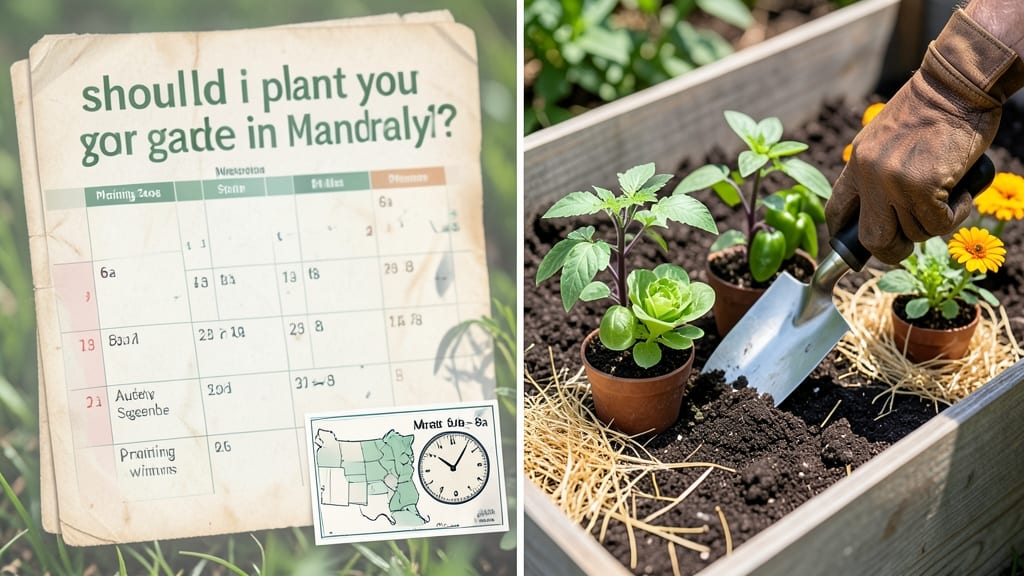
Should you plant your garden in Maryland in March, April, or wait until May?
Maryland’s unpredictable frost dates and humid summers can turn gardening into a guessing game—unless you know the exact planting windows for each crop. Get your timing right, and you’ll enjoy a bountiful harvest; get it wrong, and you might end up with bolted greens or wilted tomatoes.
From the cool-season greens like spinach and kale that thrive in early spring to the warm-season favorites like tomatoes and peppers, Maryland’s USDA Zones 6a-7b demand precise timing. Coastal areas like Annapolis may have earlier frost-free dates than inland regions like Frederick, so knowing your microclimate is key.
In this guide, I’ll break down the best planting months for every type of crop, share pro tips for extending your growing season, and help you avoid common mistakes that waste time and money.
Whether you’re a first-time gardener or a seasoned green thumb, you’ll leave here with a clear plan for success.
Maryland’s frost dates and planting zones: the foundation for success
Maryland’s gardening success starts with understanding your USDA Hardiness Zones. Most of the state falls within Zone 6b to 7b, with cooler microclimates in the mountains and warmer coastal areas. These zones determine which plants thrive year-round and when to plant for maximum yield.
For example, Baltimore and Frederick typically experience their last spring frost between March 15 and April 15, while Western Maryland may see frost linger until mid-April.
Your first frost date usually arrives between October 15 and November 1, but this can shift based on elevation and proximity to water.
Knowing these dates helps you plan cool-season crops like kale and spinach for early spring and fall, while warm-season plants like tomatoes and peppers need to wait until after the last frost. Microclimates matter—urban areas like Baltimore may warm up faster than rural spots, so always check local records.
Here’s a quick reference for Maryland’s planting zones and frost dates to guide your garden planning:
| Zone | Last Frost Date | First Frost Date | Cool-Season Planting | Warm-Season Planting |
|---|---|---|---|---|
| 6b (Western MD) | Mid-April | Late October | March–April | May–June |
| 7a (Central MD) | Early April | Mid-October | Late March–April | Late April–May |
| 7b (Eastern MD) | Late March | Early November | February–March | April–May |
For cool-season crops, start seeds indoors 6–8 weeks before your last frost. In Maryland, this means late January to early March for most regions.
Direct-sow hardy greens like spinach and peas as soon as the soil is workable, often by early March in Zone 7b or late March in Zone 6b. Use row covers to protect tender seedlings from late frosts.
Warm-season crops like tomatoes, peppers, and cucumbers need soil temperatures above 60°F to thrive. In Maryland, this typically aligns with late April to early May in most zones.
For a head start, sow seeds indoors 8–10 weeks before transplanting, usually by mid-March. Harden off seedlings before moving them outdoors after the last frost.
Maryland’s humid summers can stress plants, so plan for succession planting every 2–3 weeks to keep your garden productive. For example, after harvesting early bush beans in June, replant with green beans or zucchini to extend your harvest.
Always monitor soil moisture—Maryland’s clay-heavy soils retain water but can dry out quickly during heatwaves.
Don’t overlook fall planting! Many cool-season crops thrive in Maryland’s mild autumns. Sow broccoli, carrots, and lettuce by mid-August for harvests before the first frost. Use mulch to insulate roots and protect against early cold snaps. This strategy maximizes your garden’s potential and reduces waste.
For perennials and shrubs, plant in early spring or fall when soil is cool but workable. In Maryland, this means April or October. Avoid transplanting during extreme heat or cold, as stress can stunt growth.
Amend your soil with compost or organic matter to improve drainage, especially in heavy clay soils common in Western Maryland.
Local resources like the University of Maryland Extension provide frost date averages and planting guides tailored to your county. Check their website or contact your local extension office for hyper-local advice. With the right timing, Maryland’s climate can yield abundant harvests year-round, from spring radishes to fall pumpkins.
Pro tip: Keep a garden journal to track your frost dates and planting successes. Over time, you’ll refine your schedule to match your unique microclimate, whether you’re in urban Baltimore or rural Frederick County. Happy planting! 🌱
Best planting months in Maryland by crop type: a month-by-month guide
Timing is everything in Maryland gardening, where cool-season crops bolt in summer heat and warm-season plants wilt from early frosts. The key is matching each plant’s needs to Maryland’s USDA Zones 6a-7b, with last frost dates ranging from March 15 in coastal areas to April 15 inland.
Let’s break down the perfect planting windows for your garden’s most popular crops.
For cool-season vegetables like kale, spinach, and peas, the window opens as early as February under row covers, while warm-season stars such as tomatoes and peppers won’t tolerate soil below 60°F.
Year-round performers like garlic and Swiss chard have their own ideal timing too—planting them at the wrong time means missed harvests or stunted growth.
Here’s your month-by-month planting schedule, tailored to Maryland’s climate and packed with pro tips to extend your growing season:
- 1 February-March: Start cool-season crops like broccoli, cabbage, and peas indoors or under row covers. Direct-sow spinach and lettuce when soil reaches 40°F.
- 2 April: Plant potatoes and onions as soon as soil is workable. Transplant cool-season seedlings (kale, Brussels sprouts) after last frost. Start warm-season crops indoors (tomatoes, peppers).
- 3 May: The prime time for warm-season crops! Plant tomatoes, cucumbers, and beans after soil hits 60°F. Direct-sow corn and squash. Succession plant lettuce and radishes for fall harvests.
- 4 June-July: Plant fall crops like broccoli and carrots for late harvests. Extend summer crops with drip irrigation and mulch. Start herbs (basil, cilantro) from seed.
- 5 August-September: Plant garlic and onion sets for next year. Direct-sow spinach and peas for fall/winter harvests. Transplant cold-hardy flowers like pansies.
- 6 Pro Tip: Use row covers to extend cool-season planting by 4-6 weeks. For warm-season crops, wait until nighttime temps stay above 55°F to avoid blossom-end rot in tomatoes.
Maryland’s microclimates mean your neighbor’s perfect planting time might not work for you. Coastal areas like Annapolis can plant 2-3 weeks earlier than inland spots like Frederick, so always check your local first frost date.
For example, tomatoes planted too early in April may suffer from cold soil, stunting growth.
Don’t forget about herbs and flowers—basil thrives when planted after last frost (May-June), while marigolds can handle direct sowing in March for early blooms. For year-round greens like Swiss chard, plant in early spring and again in late summer to avoid bolting.
With this schedule, you’ll avoid the heartbreak of frost-bitten seedlings or heat-stressed tomatoes. Happy planting—your garden’s bounty starts with the right timing! 🌱