
Tools
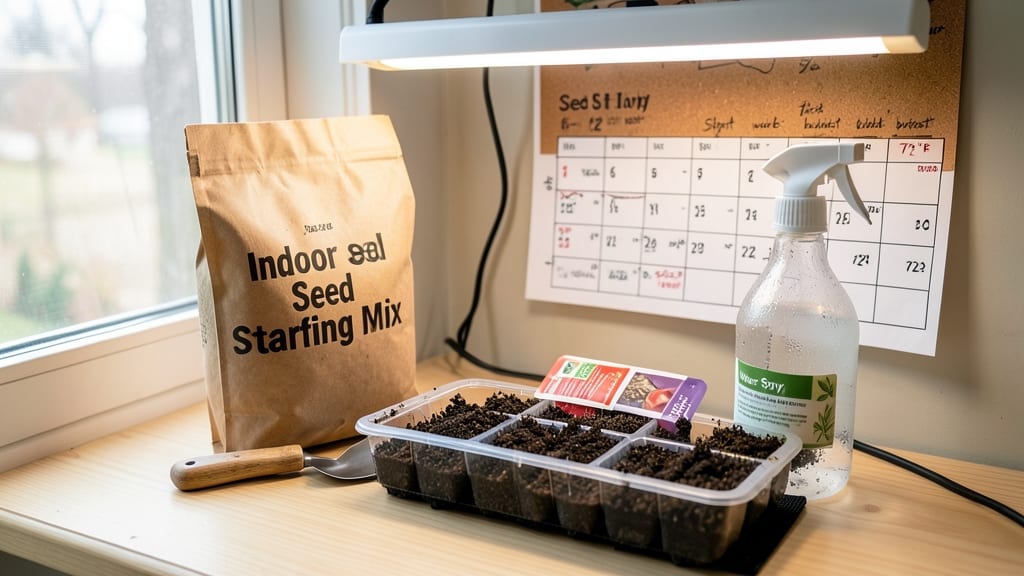
Starting garden seeds indoors at the right time means the difference between a bountiful harvest and a sad, leggy mess that never matures.
Timing is everything in gardening—start seeds indoors too early, and they’ll bolt; too late, and your plants won’t mature before frost. Mastering zone-specific deadlines ensures a thriving harvest, whether you’re growing tomatoes, peppers, or herbs.
For Zone 6a (where General Garden Seeds 🌱 thrive), most cool-season crops like lettuce or spinach can begin indoors as early as February, while warm-season favorites like peppers or eggplants need to wait until March to avoid stretching too tall before transplanting.
Below, I’ll walk you through how to calculate your exact start dates, avoid common pitfalls, and set up your indoor garden for success—so you’re not left scrambling when the first frost hits.
Zone-specific indoor seed starting deadlines by plant type
Getting your indoor seed starting timeline right means the difference between a bountiful harvest and leggy, struggling seedlings. Since frost dates vary dramatically across USDA zones 3-10, I’ve broken down the optimal start windows for cool-season and warm-season crops.
These deadlines account for your last frost date and each plant’s days to maturity, ensuring your seedlings are ready to transplant without shock.
For example, cool-season crops like broccoli and spinach can handle light frost, so you can start them 6-8 weeks before your last frost date.
Meanwhile, warm-season plants like tomatoes and peppers need to wait until after the last frost, so their indoor start window shifts earlier—often 8-12 weeks before transplanting. Let’s dive into the specifics for your zone.
If you’re in USDA zones 3-4, where winters are harsh, you’ll need to start warm-season crops like tomatoes as early as January to give them enough time to mature before your last frost date in late May.
In contrast, gardeners in zones 9-10 can start seeds year-round since frost is rare, but you’ll still want to time transplants to avoid heat stress during summer.
For cool-season crops, the goal is to have them established before the last frost date but avoid bolting from early heat stress. For example, in zone 6, starting spinach seeds indoors in early March ensures they’re ready for transplant by mid-April, just in time for spring harvests.
Use a seed-to-harvest calculator to fine-tune your schedule based on your exact last frost date and plant variety.
Pro tip: Adjust your start dates if you’re using grow lights or a heat mat. These tools can speed up germination, allowing you to start seeds 2-4 weeks later without risking transplant shock. Just be sure to harden off seedlings properly before moving them outdoors to prevent stress.
One common mistake is starting seeds too early, which leads to overcrowded, leggy seedlings that struggle when transplanted. Another is waiting too long, which results in small, weak plants that can’t compete with weeds.
By following these zone-specific deadlines, you’ll give your seedlings the perfect head start for a productive garden season.
Need help calculating your exact indoor seed starting window? Grab a calendar, note your average last frost date, and subtract the days to maturity for your chosen plants.
For instance, if your last frost date is May 1 and your tomatoes need 80 days to mature, start them indoors by February 10. Easy!
Remember, seed starting indoors is all about balance—give your plants enough time to grow strong but not so much that they outgrow their containers. With these zone-specific deadlines, you’ll be well on your way to a thriving garden full of homegrown goodness. Happy planting! 🌱
How to calculate your exact indoor seed starting window
Calculating your indoor seed starting window ensures your seedlings are ready for transplanting at the perfect time—just before your last frost date. Without this timing, you risk stunted growth or plants that bolt before harvest.
The key is understanding three critical factors: your USDA hardiness zone, your plants’ days-to-maturity, and how many weeks before transplanting they need to grow indoors.
For example, in Zone 6a (where I garden), my last frost date is typically April 15. If I’m growing tomatoes that need 80 days to mature, I’ll start seeds indoors 6-8 weeks before transplanting—around early March.
But for basil, which matures in just 45 days, I can wait until late March or even early April. The formula is simple: subtract the weeks needed indoors from your transplant date, then work backward.
Let’s break this down into a foolproof step-by-step process so you can avoid guesswork and grow a thriving garden. Whether you’re a beginner or a seasoned gardener, these steps will help you nail your timing every season.
Use the USDA Plant Hardiness Zone Map or check your local cooperative extension service for your average last frost date. For Zone 6a, it’s April 15, but in Zone 8a, it might be March 1. Tools like the Old Farmer’s Almanac or Almanac’s Garden Planner can help.
Transplant cool-season crops (like lettuce or spinach) 2-4 weeks before your last frost. For warm-season crops (like peppers or tomatoes), wait until soil temperatures reach 60°F—usually 1-2 weeks after your last frost. In Zone 6a, that’s early May for warm-season plants.
Look at the seed packet for the days-to-maturity (e.g., 60 days for basil, 80 days for tomatoes). Subtract the number of weeks you’ll grow them indoors (usually 4-8 weeks) from this total.
For example, if tomatoes need 80 days and you’ll grow them indoors for 6 weeks, they’ll need 64 days outdoors.
Subtract the weeks needed indoors from your transplant date. For tomatoes in Zone 6a: Transplant on May 1 (64 days to maturity - 8 weeks indoors = 56 days outdoors).
Start seeds indoors 6 weeks before May 1—so by March 15. Use a seed-starting calculator like Johnny’s Selected Seeds or Burpee’s for automation.
If you lack grow lights, start seeds earlier (6-8 weeks indoors) to harden off before transplanting. For slow growers (like broccoli), add extra weeks. Always account for potential setbacks like poor lighting or temperature swings that can delay growth.
Once you’ve nailed your start dates, use a seedling heat mat to speed up germination and grow lights to prevent leggy seedlings. I swear by a T5 fluorescent light on a timer for 14-16 hours daily—it’s a game-changer for strong, stocky plants ready for transplanting.
Pro tip: Label your seed trays with start dates and plant names to avoid confusion as seedlings pop up!
Don’t let timing stress you out—even a few days off won’t ruin your garden. The key is consistency: plan ahead, track your progress, and adjust as needed.
With practice, you’ll have a system down pat, and your indoor seed starts will be the envy of every gardener in your neighborhood. Happy growing!