
Fertilization
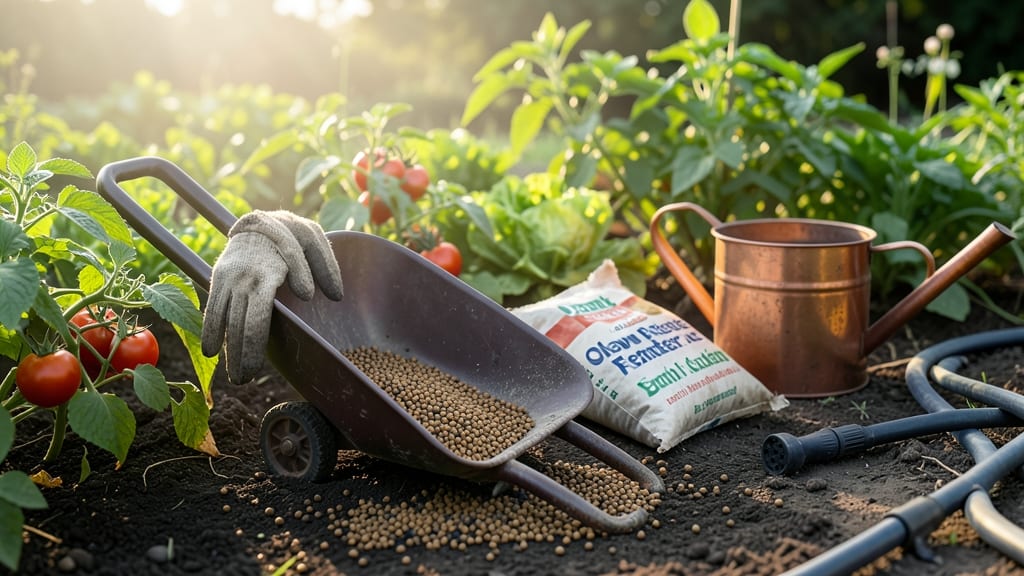
You should fertilize your garden at the right times to avoid wasted nutrients or stunted growth—timing is everything for healthy plants and bountiful harvests.
Picture this: you’ve spent hours preparing your soil, planting with care, and watching your 🌱 garden sprout. Then, a few weeks in, you notice leaves yellowing or growth slowing. That’s often a sign you fertilized too early, too late, or not at all.
The key lies in understanding when your plants are ready for nutrients—whether it’s at planting, during rapid growth, or just before flowering.
For most gardens in USDA Zone 6a, the best times to fertilize are early spring (just before planting) and again mid-season (around June for summer crops). But timing varies by plant type—leafy greens need a light feed, while fruiting plants like tomatoes benefit from a stronger boost.
Soil tests are your best friend here, revealing exactly what your garden craves before you even reach for the fertilizer bag.
In this guide, I’ll break down the perfect fertilization schedule for your garden, from soil-test timing to seasonal adjustments. You’ll learn how to avoid common mistakes, like over-feeding, and discover the simple tricks that keep your plants thriving all season long.
Best fertilization schedule by plant type and season
Fertilizing your garden at the wrong time can be as harmful as not fertilizing at all. Vegetables, flowers, and lawns all have unique nutrient needs tied to their growth stages. For example, leafy greens like spinach need nitrogen early, while tomatoes thrive with phosphorus during flowering.
The key is matching fertilizer types to seasonal cycles—organic matter like compost breaks down slowly, while synthetic fertilizers deliver quick but short-term results.
Seasonal timing matters just as much as the fertilizer type. Spring is prime for pre-planting feeds to jumpstart growth, while summer demands frequent top-ups for flowering plants. Fall fertilization preps perennials for winter dormancy, and winter is a rest period for most plants.
Even the moon phases can influence root absorption—planting under a waxing moon may boost success.
Here’s a breakdown of when to fertilize by plant type and season, including organic vs. synthetic options:
| Plant Type | Season | Fertilizer Type | Timing | Notes |
|---|---|---|---|---|
| Vegetables (Tomatoes, Peppers) | Spring | Organic (Compost/Manure) | Pre-planting + 4 weeks later | High nitrogen for early growth |
| Vegetables (Tomatoes, Peppers) | Summer | Synthetic (10-10-10) | Every 3-4 weeks | Boost phosphorus for flowering |
| Flowers (Roses, Petunias) | Spring | Organic (Bone Meal) | Early spring | Encourages root development |
| Flowers (Roses, Petunias) | Summer | Synthetic (5-10-5) | Monthly | Supports blooming |
| Lawns (Cool-Season Grasses) | Fall | Organic (Compost Tea) | Late August-September | Strengthens roots for winter |
| Lawns (Warm-Season Grasses) | Spring | Synthetic (Slow-Release) | April-May | Promotes green-up |
For organic fertilizers, timing is less critical because nutrients release slowly. Compost or manure can be worked into the soil in early spring or fall to improve soil structure over time.
Synthetic fertilizers, however, require precision—apply them when plants are actively growing, like during vegetative growth for leafy greens or flowering stages for blooms.
Evergreen shrubs and trees are an exception—they benefit from fall fertilization with slow-release granules to fuel next year’s growth. Avoid fertilizing in winter unless you’re in a mild climate, as most plants enter dormancy.
Even houseplants follow seasonal cues: Feed them every 6-8 weeks during spring and summer, but skip winter fertilizing entirely.
Regional climate plays a role too. In Zone 5 or colder, fertilize 4-6 weeks before the last frost for spring crops. In Zone 8-10, you might fertilize year-round for continuous growth. Always water deeply after applying fertilizer to prevent nutrient burn and ensure roots absorb nutrients efficiently.
Pro tip: Use a soil test kit every 2-3 years to check nutrient levels. If your soil is already rich in nitrogen, skip the heavy feed and opt for a balanced 10-10-10 instead.
Over-fertilizing is just as damaging as under-fertilizing—it can lead to leaf burn, stunted roots, or even plant death.
For container gardens, fertilize every 2-4 weeks during the growing season since nutrients leach out faster. Use a water-soluble fertilizer for quick uptake, but flush the soil with water monthly to prevent salt buildup. Mulching with straw or wood chips after fertilizing helps retain moisture and slow nutrient release.
Remember, the best fertilization schedule is one that aligns with your plants’ natural cycles. Start with a light feed in spring, ramp up during peak growth, and taper off as seasons change. Your garden will thank you with healthier roots, vibrant blooms, and <
How to read soil test results to determine fertilizer needs
A soil test reveals your garden’s hidden secrets—like whether your plants are starving for nitrogen or drowning in phosphorus. Without understanding these numbers, you might over-fertilize (burning roots) or under-feed (stunted growth). The key is decoding the NPK ratios, pH levels, and micronutrient deficiencies in your report.
For example, a low pH (below 6.0) means your soil is too acidic for most vegetables, while high potassium (K) levels signal your plants are ready for flowering.
Timing your soil test matters just as much as the results. In USDA Zone 6a, I recommend testing in early spring (March-April) before planting or in fall (September-October) to plan for next year.
Spring tests help you adjust nutrients before the growing season kicks off, while fall tests give you time to amend the soil over winter. If you’re seeing yellow leaves or slow growth mid-season, a quick test can pinpoint if it’s a nutrient deficiency or another issue.
🚨 INSERT SUMMARY-TABLE ELEMENT 🚨
| Soil Test Timing | Purpose | Action Items |
|---|---|---|
| Early Spring (March-April) | Pre-planting adjustment | Apply lime if pH < 6.0; add compost or fertilizer based on NPK |
| Mid-Summer (June-July) | Growth phase check | Top-dress with organic matter if NPK is low; monitor micronutrients |
| Fall (September-October) | Winter prep | Amend soil for next year; avoid heavy fertilizing before frost |
Let’s break down the three critical numbers on your soil test report. The NPK ratio (e.g., 10-5-5) tells you how much nitrogen (N), phosphorus (P), and potassium (K) your soil has.
For example, a low nitrogen (N) reading means your plants may struggle with leafy growth, while high phosphorus (P) is ideal for root and flower development. If your test shows 0.5% phosphorus, you’ll need to add bone meal or a phosphorus-rich fertilizer before planting tomatoes or peppers.
Don’t overlook the pH level, which measures soil acidity or alkalinity. Most vegetables thrive in a pH range of 6.0–7.0, while blueberries need acidic soil (pH 4.5–5.5). If your pH is off, adjust it gradually: lime raises pH, while sulfur lowers it.
For instance, if your soil pH is 5.5 and you’re growing potatoes, you might need to add lime to reach the ideal 6.0–6.5 range.
Micronutrients like iron, zinc, and magnesium often fly under the radar, but deficiencies show up as strange symptoms. For example, yellowing between leaf veins signals iron deficiency, while purple stems mean your plants need phosphorus.
If your soil test highlights low micronutrients, use a chelated fertilizer or compost tea to boost availability without overwhelming your plants. Always re-test after amendments to track progress!
Finally, remember that organic matter percentage (aim for 5%+) improves soil structure and nutrient retention. If your test shows low organic matter, mix in compost or aged manure before fertilizing.
This step is non-negotiable—healthy soil holds nutrients better, so your plants can access them when needed. Think of it like a nutrient bank for your garden.