
Planting
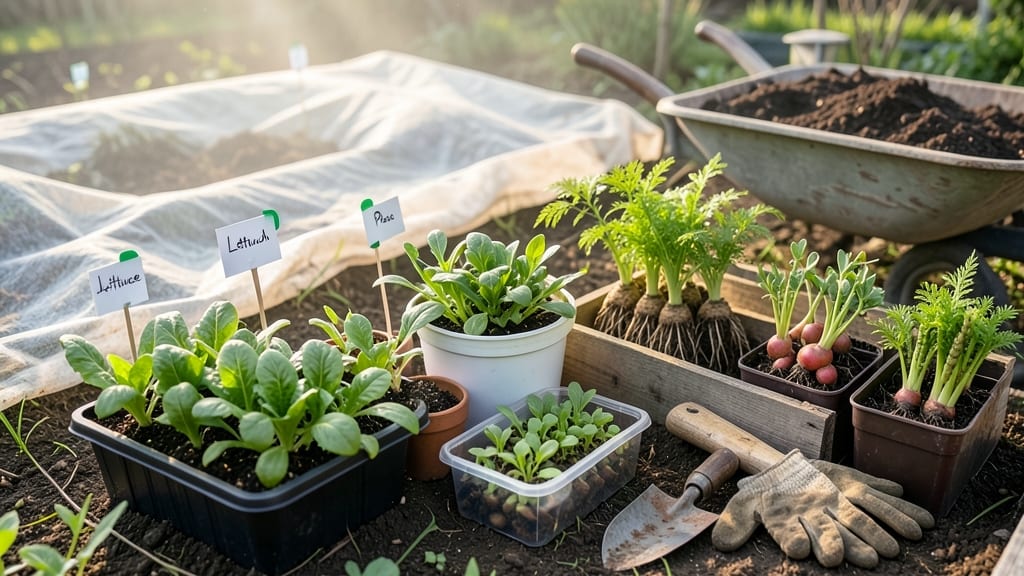
Planting a garden in Michigan at the right time means catching that narrow window between frost and summer heat—because one wrong move can leave your 🌱 vegetable garden struggling or worse, wiped out.
Michigan’s unpredictable frost dates can turn a gardener’s dream into a risky gamble—plant too early and risk frost damage, too late and miss peak harvests. Timing your garden right means knowing your zone, last frost dates, and which plants thrive in Michigan’s short but sweet growing season.
In zones 5a-6b, cool-season crops like spinach and peas can go in as early as mid-April if you’re prepared for a surprise frost, while tomatoes and peppers need to wait until late May or even June in colder pockets of the state.
Below, I’ll break down the exact planting schedule for your region, plus pro tips to stretch Michigan’s growing season without risking your hard work—because the difference between a thriving garden and a flop often comes down to timing.
Michigan’s planting zones and last frost dates by region
Michigan spans USDA Hardiness Zones 4-6, meaning gardeners face short growing seasons and unpredictable frost. Knowing your exact zone and last frost dates determines when to plant everything from cool-season spinach to heat-loving tomatoes.
Southern Michigan (Zone 6a/6b) enjoys earlier springs than northern regions (Zone 4a/4b), where frost lingers until early May.
Your last spring frost typically arrives between mid-April (southern MI) and early May (northern MI), while first fall frosts hit late September (north) to mid-October (south). These dates create a 140-180 day frost-free window, forcing gardeners to prioritize fast-maturing varieties and smart timing.
Here’s how Michigan’s regions break down for planting:
For cool-season crops like kale, peas, and spinach, plant 4-6 weeks before your last frost.
In southern Michigan, this means mid-March, while northern gardeners wait until early May. Warm-season plants such as tomatoes, peppers, and cucumbers need soil temps above 55°F and should go in 2-3 weeks after your last frost.
Michigan’s fall planting window is equally critical.
Start heat-loving crops like beans and squash in late July (southern MI) or early August (northern MI) to harvest before frost. Cool-season crops for fall can be sown as late as mid-September in southern regions, but northern gardeners must plant by early August.
Use these frost date rules to avoid common mistakes: Never plant frost-sensitive crops like tomatoes or basil before your last frost—even if soil looks warm. For perennials, divide or transplant in early spring (Zone 6) or early fall (Zone 4) to give roots time to establish before winter.
To find your exact frost dates, check the Michigan State University Extension’s frost date maps or use the Old Farmer’s Almanac tool. Local Master Gardener programs also host workshops on zone-specific planting—a great resource for beginners.
With the right timing, Michigan’s short season becomes an advantage for quick-harvest crops and succession planting.
Pro tip: Keep a gardening journal to track your local frost dates over years—Michigan’s climate shifts yearly, and your notes will become invaluable for future seasons. Start with cold-hardy crops like radishes and lettuce early, then transition to warm-season stars once frost risk passes.
Best planting schedule for Michigan gardens: what to Sow when
Michigan’s short growing season demands precision timing to maximize harvests. Cool-season crops like spinach and peas thrive in spring’s chill, while warm-season favorites such as tomatoes and peppers need to wait until after the last frost.
My month-by-month guide aligns planting with Michigan’s USDA Zones 4-6, accounting for regional frost variations.
Start with cold-hardy crops in early spring—think radishes, peas, and kale—then transition to heat-loving tomatoes and peppers once soil warms. Succession planting every 2-3 weeks keeps your garden productive all season long. For example, lettuce and spinach can be sown in late summer for fall harvests before frost hits.
| Plant Type | Best Planting Window | Michigan Varieties | Succession Tip |
|---|---|---|---|
| Cool-Season Crops | March–April (indoor starts) / April–May (outdoor) | 'Early Wonder' peas, 'Bloomsdale' spinach | Sow every 2 weeks until June |
| Warm-Season Crops | May–June (after last frost) | 'Sweet 100' tomatoes, 'Jupiter' peppers | Transplant seedlings every 3 weeks |
| Fall Crops | August–September (6–8 weeks before frost) | 'Winter Density' kale, 'Ruby Queen' lettuce | Use row covers to extend harvest |
For northern Michigan (Zone 4), wait until mid-May to plant warm-season crops, while southern Michigan (Zone 6) can start as early as late April. My rule of thumb: plant peas and spinach 4–6 weeks before your average last frost date, and tomatoes and peppers 2–3 weeks after.
Use Michigan State University’s frost date tool to pinpoint your local window.
Don’t overlook succession planting—it’s how I double my zucchini and bush bean yields. After harvesting early crops, replant with fast-maturing varieties like 'Bush Blue Lake' beans or 'Straight Eight' corn. For peppers and eggplants, start seeds indoors in March to give them a head start before transplanting.
Fall planting is just as critical. Spinach, kale, and carrots thrive in cool September soil and can be harvested until first frost. Use black plastic mulch to warm soil early or straw mulch to protect late crops.
My fall garden often outproduces spring plantings because pests are fewer and soil moisture is higher.
Plan ahead for Michigan’s late frosts—even in June! Keep row covers handy for tender seedlings like basil or cucumbers. With this schedule, I’ve seen tomatoes ripening in August and spinach harvested in October, proving Michigan’s growing season is shorter but far from wasted.