
How To
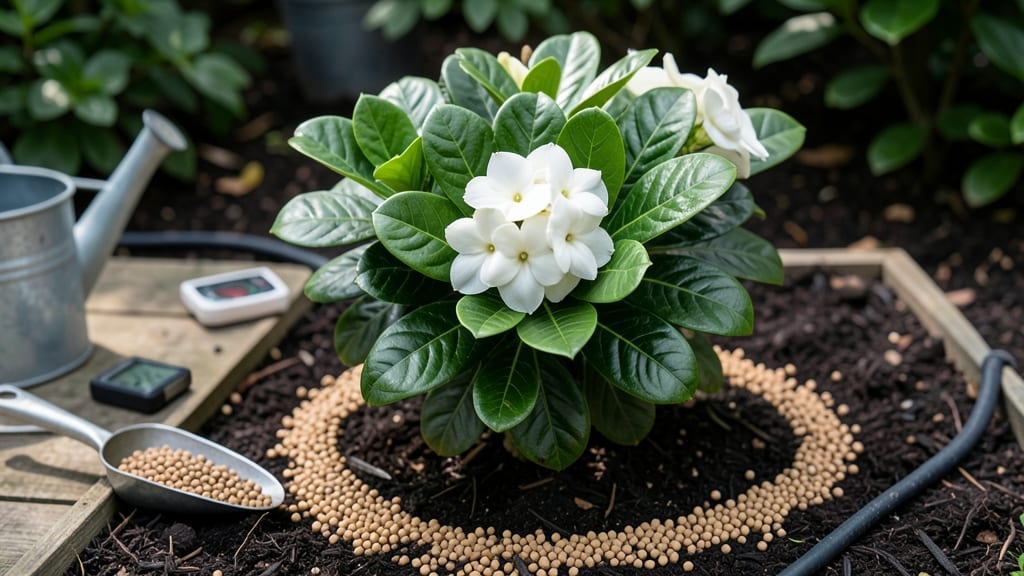
Fertilising gardenias at the right time 🌸 is the difference between a shrub bursting with fragrant blooms and one struggling to keep up.
Struggling to keep your gardenias blooming year after year? The secret isn’t just water or sunlight—it’s timing your fertiliser perfectly for maximum impact. Get it wrong, and you’ll end up with weak growth or sparse flowers. Get it right, and you’ll unlock lush foliage and vibrant blooms that turn heads.
Most gardeners focus on fertilising in spring, but the real key is splitting your efforts between two seasons: early spring when new growth starts and late summer before blooming season peaks.
This approach feeds your gardenia’s hunger without overwhelming it, especially in USDA Zone 6a where cooler temperatures slow nutrient uptake.
Below, I’ll break down the exact schedule—when to feed, what to use, and how to spot the signs you’re overdoing it. By the end, you’ll know not just when to fertilise, but how much and why it makes all the difference for your gardenia’s health.
Optimal fertilising schedule for gardenias: spring vs fall timing explained
Gardenias are fussy feeders, and getting their nutrient timing wrong can mean the difference between showstopping blooms and sparse, weak growth. Unlike many plants, gardenias have two critical fertilising windows: spring awakening and fall prep.
These seasons align perfectly with their natural growth cycles, ensuring your shrub has the energy to thrive when it matters most.
In spring, gardenias emerge from dormancy and begin pushing out new foliage and buds. This is when they need a nutrient boost to fuel their rapid growth. Skipping this step often results in smaller leaves and fewer flowers later in the season.
Meanwhile, fall fertilising might seem counterintuitive, but it’s actually about preparing roots for winter dormancy—giving them a head start when growth resumes in spring.
| Season | Key Growth Stage | Fertiliser Type | Application Rate | Timing Tips |
|---|---|---|---|---|
| Spring (March-May) | New growth, bud formation | Acid-based (6-4-4 or 8-3-9) | 1 tbsp per plant | Apply when new leaves appear; avoid full bloom stage |
| Summer (June-August) | Peak flowering, maintenance | Light organic feed (every 6-8 weeks) | ½ tbsp per plant | Reduce feeding if heat stress occurs; water first |
| Fall (September-October) | Root strengthening, dormancy prep | Slow-release organic (optional) | ½ tbsp per plant (last feed) | Stop fertilising by mid-October to avoid late-season growth |
| Winter (November-February) | Dormancy, no growth | None | N/A | Focus on mulching and protection from frost |
The spring feeding should start as soon as you see new shoots emerging, typically in March or April depending on your USDA zone. Use a balanced acid fertiliser (like 6-4-4) to encourage root development and leaf expansion.
For potted gardenias, reduce the dose by half to avoid root burn in confined soil.
Many gardeners make the mistake of over-fertilising in summer, thinking it will boost blooms. However, excess nitrogen during this time can lead to leafy growth at the expense of flowers.
Instead, switch to a low-nitrogen, high-phosphorus fertiliser (like 8-3-9) every 6-8 weeks to support bloom production. Always water thoroughly before and after applying fertiliser to prevent salt buildup.
Fall fertilising is often overlooked, but it’s a game-changer for next year’s performance. By late September, gardenias begin preparing for dormancy. A light organic feed (like composted manure or worm castings) helps strengthen roots before winter.
This isn’t about encouraging growth—it’s about storing nutrients for the spring flush. Stop all fertiliser by mid-October to avoid tender new growth that could freeze.
Choosing between organic and synthetic fertiliser depends on your priorities. Synthetic fertilisers like Miracle-Gro Azalea provide immediate nutrients and precise NPK ratios, making them ideal for quick fixes or revitalising weak plants. Organic options, such as fish emulsion or cottonseed meal, improve soil structure and microbiome health over time, which is better for long-term gardenia health.
For organic gardeners, I recommend a two-step approach: Start with a compost tea in early spring to stimulate microbial activity, then follow up with a slow-release organic fertiliser like Osmocote (14-14-14) in late spring.
This mimics the natural nutrient release gardenias would experience in their native tropical habitats. Always test your soil pH first—gardenias thrive in acidic soil (5.0-6.0), and lime applications can throw off their nutrient uptake.
One common mistake is fertilising gardenias during peak bloom (summer). While it might seem
Signs your gardenias need fertiliser (and when to avoid it)
Your gardenias send clear signals when they crave nutrients—don’t ignore these red flags! If you spot yellowing leaves (especially on older foliage), slow growth, or fewer blooms than usual, your plant is begging for a nutrient boost.
These signs often point to low nitrogen or phosphorus deficiencies, both critical for lush foliage and vibrant flowers.
But here’s the catch: over-fertilising is just as damaging. If you notice brown leaf tips, crispy edges, or stunted growth, you’ve likely overdone it. Gardenias are sensitive to salt buildup from excess fertiliser, which can burn roots and stress the plant.
The key is balance—feeding just enough to support growth without overwhelming the roots.
⚠️ When to Hold Off on Fertiliser
Avoid fertilising during these critical periods to prevent stress:
- After transplanting (wait 4-6 weeks)
- During extreme heat/drought (roots can’t absorb nutrients)
- Late summer/fall (prep for dormancy)
- Winter months (growth slows naturally)
To diagnose nutrient needs, try a simple DIY soil test. Dig a small hole near your gardenia’s roots and check the soil’s color and texture.
Healthy soil should be dark brown and crumbly. If it’s light-colored or compacted, your plant needs organic matter like compost or peat moss to improve nutrient retention.
For a quick check, look at your gardenia’s new growth. If the leaves are small and pale, it’s a sign of nitrogen deficiency. If blooms are small or sparse, your plant may need more phosphorus.
Iron deficiencies show as yellowing between leaf veins—a common issue in alkaline soils. Adjust your fertiliser blend accordingly, focusing on acid-loving formulations for gardenias.
Seasonal timing matters too. In USDA Zone 6a, fertilise lightly in early spring (March-April) as new growth begins, then again in late spring (May-June) to support blooming. Skip fertiliser in summer unless you see clear deficiency signs, and never fertilise in fall or winter when the plant rests.
Pro tip: Use a slow-release fertiliser with an NPK ratio of 6-4-4 or 8-3-9 for gardenias. Apply it in early morning after watering to help nutrients absorb into the soil without burning the roots.
Monitor your plant’s response closely—adjust your schedule based on what works best for your gardenia’s unique needs.