
Fertilization
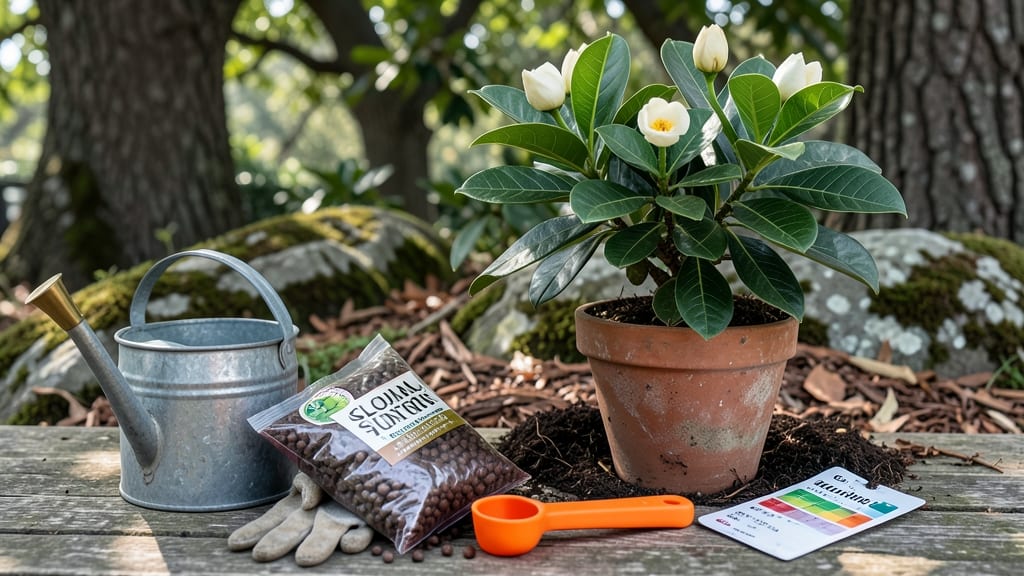
Fertilizing gardenias in Florida at the right time is the key to showstopping blooms—and doing it wrong can leave you with sparse leaves and no fragrance.
Picture this: You’ve spent months nurturing your 🌸 gardenias, only to watch them skip blooming because you fed them too early or too late. Florida’s warm winters and intense summers throw off even the most experienced gardeners, but there’s a science to timing it just right.
Most gardeners in zones 9a–11 swear by two feeding windows: late spring, when buds form, and early fall, to prep for winter blooms. But humidity, sandy soil, and sudden rainstorms mean you’ve got to adjust—like cutting back in summer when the heat stresses the plants.
Below, I’ll break down the exact schedule for Florida’s climate, the best fertilizer types (hint: acidic and slow-release wins), and how to spot over- or under-fertilizing before it’s too late.
Best fertilization schedule for Florida gardenias: late spring & early fall breakdown
Florida gardenias (Gardenia jasminoides) thrive on a precise fertilization schedule that aligns with their natural blooming cycles. Unlike cooler climates, Florida’s humid subtropical zones (9a-11) create two critical windows: late spring and early fall.
Timing matters because gardenias bloom in response to nutrient availability, and Florida’s sandy soil leaches nutrients quickly.
Miss the window, and you risk fewer blooms or leaf burn from over-fertilizing. South Florida’s warmer winters mean gardenias may need a light fall feeding, while North Florida’s cooler winters might delay spring feeding until mid-March. Let’s break down the exact schedule for each region.
⚠️ Key Rule: Always fertilize in the morning to avoid fungal risks from evening moisture. Use acid-loving plant fertilizer (pH 5.0–6.0) or organic alternatives like composted pine bark. Never fertilize when soil is dry—water first!
For North Florida gardeners, the April feeding is non-negotiable—it kickstarts blooms for the spring season. In South Florida, where winters are milder, a light September feeding can extend blooming into early winter. I’ve seen gardenias in Miami flower year-round with this schedule!
Choose slow-release fertilizers like Osmoote or Miracle-Gro Shake ‘n Feed for convenience, or go organic with composted pine bark and cottonseed meal. Organic options take longer to release nutrients but improve soil structure over time—ideal for Florida’s sandy soil.
Pro tip: Mix 1 tbsp of fertilizer into the top 2 inches of soil around the plant’s drip line. Water deeply afterward to activate nutrients. Avoid leaf burn by never applying fertilizer to dry leaves or soil.
Watch for fertilizer burn signs: brown leaf edges or wilting. If this happens, flush the soil with 2 gallons of water per plant to dilute excess salts. In Florida’s heat, over-fertilizing is a common mistake—stick to the schedule!
🌸 For potted gardenias, reduce fertilizer by 50% since roots can’t access nutrients beyond the pot. Use a well-draining mix with orchid bark to mimic Florida’s acidic soil.
How to choose the right fertilizer for Florida gardenias: acid-loving plants guide
Florida gardenias thrive when their soil stays acidic (pH 5.0–6.0), but choosing the wrong fertilizer can turn your 🌸 blooms into sparse, weak foliage. The key is selecting a fertilizer with the right NPK ratio—like 8-2-12—designed for acid-loving plants.
Synthetic options like Miracle-Gro Azalea, Camellia, and Rhododendron fertilizer are popular, but organic choices like composted pine bark or cottonseed meal work wonders too.
Your gardenias’ nutrient needs shift with Florida’s seasons. In late spring, they crave phosphorus (P) for blooming, while early fall fertilizing should focus on potassium (K) to strengthen roots. But here’s the catch: Florida’s sandy soil drains fast, so slow-release fertilizers help nutrients last longer without leaching away.
🌱 PROS-CONS BOX: Fertilizer Choices for Florida Gardenias
Synthetic Fertilizers
Organic Fertilizers
- Fast-acting nutrients
- Precisely balanced NPK
- Easy to apply (granular or liquid)
- Can burn roots if overused
- Requires frequent reapplication
- May alter soil pH over time
- Improves soil structure
- Slow-release nutrients
- Safe for long-term use
- Slower results
- Requires more frequent soil checks
- Bulkier to apply (e.g., compost)
Before you fertilize, test your soil’s pH. Florida’s native soil often skews alkaline, which stunts gardenias. Grab a soil test kit (like the Luster Leaf Rapid Test) or send a sample to your local UF/IFAS Extension office.
If your pH is above 6.0, amend with sulfur or peat moss to lower it gradually.
For organic options, top-dress with 1–2 inches of composted pine bark in early spring. This mimics Florida’s natural acidic forest floors while adding humus for moisture retention.
Pair it with a slow-release organic fertilizer like Fish Emissions (5-1-1) for a balanced boost. Just avoid fresh manure—it can raise pH and harm your plants.
Pro tip: Feed in the morning to avoid fungal issues from evening moisture. Water deeply after applying fertilizer to help nutrients reach the roots. And if your gardenias start dropping buds or leaves yellow, they’re either over-fertilized or nutrient-deficient—flush the soil with water and adjust next time.
Remember, Florida’s humidity and rainfall mean fertilizers wash out fast. Stick to a 4–6 week schedule in spring/fall, and skip summer feeding unless your plants show deficiency signs. With the right fertilizer and timing, your gardenias will reward you with fragrant, abundant blooms all year. 🌸