
Fertilization
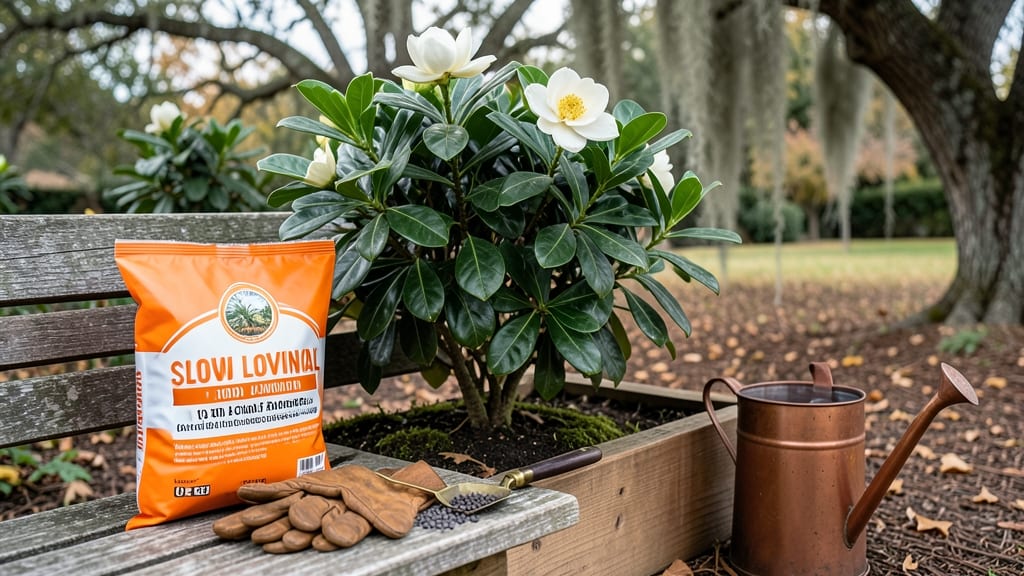
To fertilize gardenias in Georgia at the right times means timing it with the spring awakening and avoiding the summer heat stress that can kill blooms before they open.
Georgia’s humid summers and mild winters create the perfect conditions for gardenias—but only if you fertilize them at the right times. Miss the window, and you’ll end up with sparse blooms or leafy plants that never flower.
Most gardeners in 7b-8b zones think feeding in spring is enough, but fall prep is the secret to next year’s fragrance. A light feeding in early March kickstarts growth, while a second dose in May keeps the 🌸 blooms coming.
Here’s the exact schedule Georgia gardeners need to follow—plus how to spot over-fertilizing (brown tips!) and adjust for coastal vs. Piedmont soil differences.
Optimal fertilization schedule for Georgia gardenias: spring vs. fall timing
Georgia gardenias thrive on a two-season fertilization schedule, but timing is everything. The spring feeding jumpstarts blooms, while fall fertilization sets roots for next year. Skipping either season can cut your blooms by 50% or more—don’t let that happen to your fragrant shrubs!
In Georgia’s USDA Zones 7b-8b, gardenias respond best to fertilization when soil temps hit 60°F+ in spring and 70°F+ in fall. Coastal areas (like Savannah) can fertilize 2-3 weeks earlier than Piedmont regions (like Athens), thanks to milder winters. Always check soil moisture first—never fertilize dry soil.
Spring fertilization is your most critical window. Aim for mid-March to early April, right after the last frost but before buds swell. This timing ensures nutrients fuel new growth and bloom production. Use a slow-release, acidic fertilizer (like 8-4-8) to avoid burning roots in Georgia’s warming soil.
For fall fertilization, wait until October’s last week when temps stay above 65°F. This late feeding strengthens roots before winter dormancy. Stop by November 1st—new growth won’t harden off before Georgia’s first frost (mid-November), leaving plants vulnerable to cold damage.
🌱
| Season | Best Time | Soil Temp Trigger | Fertilizer Type | Application Notes |
|---|---|---|---|---|
| Spring | Mid-March to Early April | 60°F+ | Slow-release 8-4-8 | Spread 1 tbsp around root zone; water deeply |
| Fall | Late October | 65°F+ | Balanced 6-6-6 | Light application; stop by Nov 1 |
| Summer | Avoid | N/A | None | Heat stress reduces nutrient uptake |
| Winter | Dormant | N/A | None | Plants conserve energy; no feeding needed |
Adjust your schedule if Georgia’s weather throws curveballs. For early springs (like 2023’s February blooms), fertilize 2 weeks later to avoid flushing out buds. In late summers with hurricane delays, wait until September 15th for fall feeding to prevent soft new growth.
Your gardenia’s soil pH (ideal: 5.0-6.0) plays a huge role. Test annually—if pH drifts above 6.5, blooms will suffer. Mix sulfur or peat moss into soil 2 weeks before spring fertilization to maintain acidity. Coastal gardeners often need more frequent pH checks due to saltwater influence.
Over-fertilizing is a common Georgia mistake. Too much nitrogen in spring causes leafy growth at the expense of blooms, while fall applications can lead to fungal issues before winter. Always follow the "less is more" rule—your gardenias will thank you with double the fragrant blooms next season!
🌿
Pro tip: Pair fertilization with mulching (2-3 inches of pine bark or pine straw) to lock in moisture and acidify soil gradually. Replenish mulch after each feeding to maintain optimal root conditions. In container gardenias, flush soil with water 3 days after fertilizing to prevent salt buildup.
Remember: Georgia’s climate rewards precision. By mastering these two-season windows, you’ll transform your gardenias from struggling shrubs to showstopping bloomers that perfume your yard from May through September.
How to choose the right fertilizer for Georgia gardenias (and what to avoid)
Georgia gardenias thrive when fed with the right fertilizer, but choosing wrong can stunt growth or burn roots. These acid-loving plants need low pH fertilizers (4.5–6.0) to unlock their full blooming potential.
Synthetic blends like azalea/camellia mixes work fast, while organic options like composted pine bark provide slow-release nutrients. Let’s break down what to pick—and what to avoid—based on your gardenia’s needs.
First, test your soil’s pH using a digital meter or home test kit. Gardenias hate alkaline soil, so if your reading is above 6.0, amend with sulfur or peat moss before fertilizing.
Coastal Georgia’s sandy soils often need extra acidity, while Piedmont clay may require organic matter to improve drainage. Always fertilize after watering to prevent root burn.
🌿
When to Fertilize Georgia Gardenias
✅ DO Fertilize
- Early Spring (March): Light feed to kickstart growth
- Late Spring (April-May): Peak blooming season—use balanced NPK (6-6-6)
- Every 4-6 weeks: Follow label rates for slow-release fertilizers
❌ DON'T Fertilize
- Summer (June-August): High heat stresses roots—use light applications only
- Fall/Winter: Plant goes dormant; fertilizing causes weak new growth
- After pruning: Wait 6-8 weeks to avoid shocking the plant
For synthetic fertilizers, brands like Miracle-Gro Azalea, Camellia, and Gardenia are top picks—they’re formulated for acid-loving plants and dissolve quickly. Organic options such as Espoma Holly-Tone or Jobe’s Organics Azalea release nutrients slowly, reducing burn risk.
Avoid high-nitrogen lawn fertilizers (like 30-0-4), which cause leafy growth but fewer blooms. Always follow package instructions—overfeeding is a common mistake in Georgia’s humid climate.
Watch for fertilizer burn signs: Brown leaf tips or crispy edges mean you’ve overdone it. Flush the soil with water for 10 minutes to dilute excess salts.
If your gardenia’s leaves yellow between veins, it’s likely iron-deficient—switch to an iron chelate supplement (like Ironite) for a quick fix. Organic gardeners can use composted coffee grounds for a mild iron boost.
🌸
In Georgia’s coastal regions, where humidity is higher, opt for water-soluble fertilizers to prevent fungal issues. Piedmont gardeners should use slow-release granules to avoid nutrient runoff during heavy rains. Pro tip: Mulch with pine straw after fertilizing to lock in moisture and maintain soil acidity.
With the right fertilizer and timing, your gardenia will reward you with fragrant blooms from May through September—and maybe even a few winter surprises!