
Vegetables
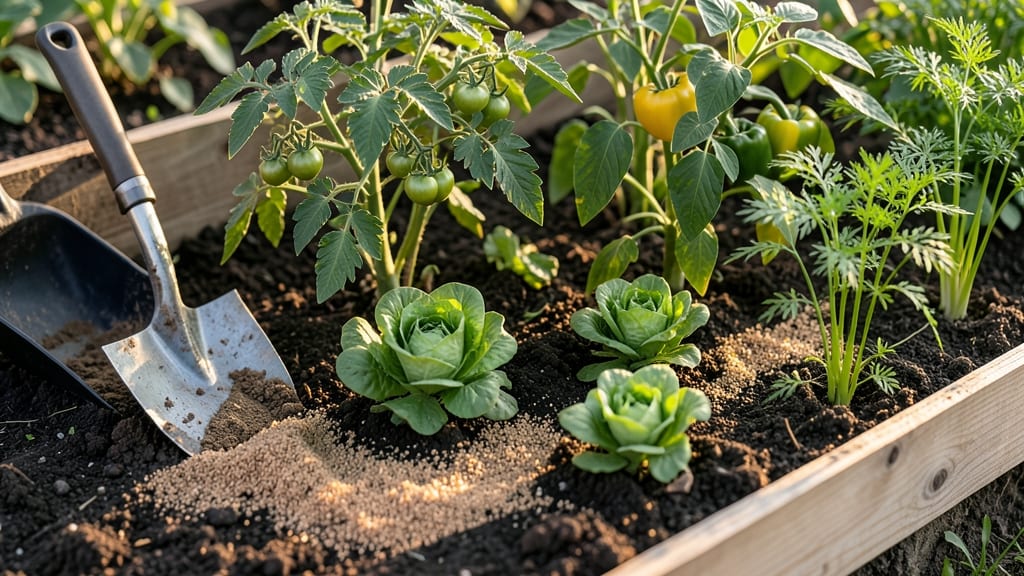
To fertilize a vegetable garden, time it by growth stage and season: feed at planting, again when flowers appear, and one final time when fruits develop. Cool-season crops like spinach need feeding in early spring or fall, while warm-season plants like tomatoes benefit from mid-spring fertilization once soil reaches 60°F+.
Timing matters because plants absorb nutrients differently at each growth phase. 🌱 For example, leafy greens like kale need nitrogen-heavy feedings early to boost foliage, while fruiting plants like peppers require potassium-rich fertilizers when buds form.
I've found that organic options like compost tea or fish emulsion work well for gradual nutrient release, while synthetic fertilizers offer quick fixes for nutrient deficiencies. Always check your soil's pH first—most vegetables prefer a neutral 6.0-7.0 range for optimal absorption.
Seasonal shifts also play a critical role.
Cool-season crops planted in early spring or fall benefit from lighter, nitrogen-focused fertilizers, while warm-season plants need phosphorus and potassium boosts once the soil warms. 🌿 Pro tip: Mark your calendar for two weeks after transplanting and again when you see the first flowers—this is when plants are most hungry for nutrients.
💡 In This Article
- Optimal Fertilization Timing for Vegetable Growth Stages
- Seasonal Fertilizer Schedules for Cool vs. Warm-Season Vegetables
Optimal fertilization timing for vegetable growth stages
The most critical fertilization windows align with a plant's natural nutrient demands. At the seedling stage, young plants focus on root and leaf development, requiring nitrogen to build chlorophyll.
This is why a balanced 10-10-10 fertilizer (equal parts nitrogen, phosphorus, potassium) works best when you transplant seedlings or sow seeds. The roots actively absorb these nutrients during the first 2-3 weeks after planting, so timing your first application here ensures strong early growth.
When plants transition to the flowering stage, their nutrient needs shift dramatically. Phosphorus becomes essential for bud formation, while potassium supports energy transfer within the plant.
This is why you'll see many gardeners apply a 5-10-10 or 10-20-20 fertilizer when flowers first appear—typically 4-6 weeks after planting for warm-season crops. The key trigger here is visible flower buds, not calendar dates.
For example, tomato plants will show their first blossoms about 50-60 days after transplanting, signaling it's time for this phosphorus boost.
During the fruiting stage, plants demand potassium to strengthen cell walls and prevent diseases. This final fertilization should occur when fruits begin forming, using a fertilizer with higher potassium like 7-7-9 or 0-0-50.
The timing here is crucial because over-fertilizing too late can lead to excessive foliage at the expense of fruit quality. For instance, pepper plants need this potassium-rich feeding when their first peppers appear, usually 6-8 weeks after flowering.
The science here involves the plant's natural priority shift—once it commits resources to fruit development, it needs potassium to maintain structural integrity.
Soil temperature acts as a natural timer for nutrient absorption. Most vegetables absorb nutrients most efficiently when soil temperatures stay above 60°F. This is why warm-season crops like cucumbers and eggplants won't benefit from early spring fertilization—their roots remain dormant until the soil warms.
Cool-season crops like broccoli and spinach, however, can absorb nutrients at 50°F+, allowing for early spring or late fall feeding. The difference comes down to microbial activity in the soil—warmer temperatures activate beneficial bacteria that help break down organic fertilizers.
Consider these plant-specific exceptions that change the timing rules:
- Leafy greens (spinach, lettuce): Need nitrogen-heavy feedings every 3-4 weeks throughout their growth cycle
- Root vegetables (carrots, beets): Benefit from phosphorus-rich fertilizer at planting to encourage root development
- Alliums (onions, garlic): Require potassium-heavy feeding when bulbs begin forming to prevent rot
What most gardeners overlook is how weather patterns affect these timings. After applying fertilizer, a light rain within 24 hours helps activate nutrients, while prolonged dry spells can lock them in the soil.
I've found that using a slow-release organic fertilizer like compost or worm castings can extend the nutrient window by 6-8 weeks, reducing the need for precise timing. The key is understanding your plants' natural growth rhythms rather than following rigid schedules.