
Tools
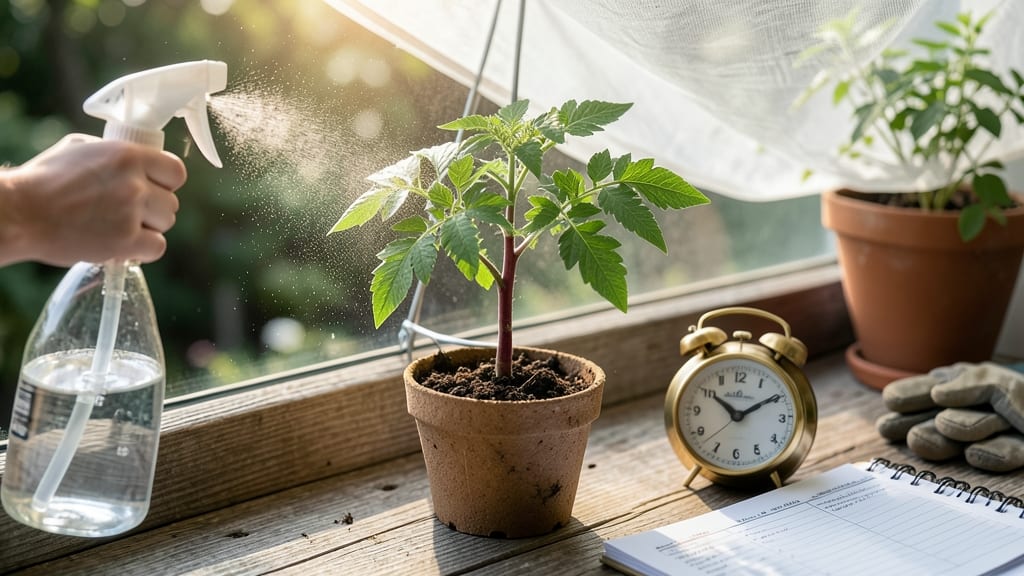
Harden off in gardening means gradually exposing young plants to outdoor conditions—like sunlight, wind, and temperature shifts—to strengthen them before transplanting. This process mimics natural stress, preventing shock and improving survival rates in the garden.
Harden off refers to the critical transition phase between greenhouse or indoor-grown seedlings and their permanent outdoor home. 🌱 This gradual adjustment helps plants develop tougher cell walls and deeper root systems, making them far more resilient against environmental stresses.
Think of it like a plant boot camp—without this preparation, seedlings often wilt or struggle to recover once planted outside.
Most gardeners start with just a few hours of morning sun over 3-4 days, then gradually increase exposure while protecting plants from harsh afternoon rays. The key is patience—rushing this process can lead to sunburn or stunted growth, while taking too long may delay your planting schedule.
I've found that using shade cloth during the hottest part of the day makes a noticeable difference in plant recovery time.
💡 In This Article
- The Science Behind Hardening Off Plants
- Step-by-Step Hardening Off Schedule for Seedlings
The science behind hardening off plants
When seedlings grow indoors or under greenhouse conditions, their cells develop in a controlled environment with consistent warmth and humidity. This creates thinner cell walls and larger stomata (tiny pores on leaves) that efficiently absorb water but struggle with outdoor fluctuations.
Hardening off triggers a physiological response where plants produce abscisic acid, a stress hormone that signals cells to thicken their walls and reduce water loss through stomata. 🌱 This adaptation is similar to how humans build endurance through gradual exercise—without it, plants can't handle sudden temperature drops or wind exposure.
The photosynthesis process also shifts during hardening off. Indoor-grown seedlings often rely on artificial light with lower UVB levels, so their chlorophyll production isn't optimized for direct sunlight. Gradual outdoor exposure increases UVB exposure, prompting plants to synthesize more protective pigments like flavonoids and carotenoids.
These compounds not only enhance photosynthesis efficiency but also act as natural sunscreen, reducing the risk of sunburn. For example, basil seedlings left indoors may develop pale leaves, but after proper hardening off, their foliage turns a vibrant green with a thicker, waxier texture.
Root development is another critical factor. Seedlings grown in small containers develop shallow root systems that struggle to anchor in outdoor soil and access water. During hardening off, the stress of outdoor conditions triggers the release of ethylene gas, which stimulates root growth downward and outward.
I've noticed that properly hardened-off tomato seedlings can develop roots 2-3 times deeper than those transplanted without this preparation, giving them a significant survival advantage in the garden.
One often overlooked aspect is how hardening off affects a plant's circadian rhythm. Indoor lighting cycles (like artificial grow lights) don't always match natural daylight patterns.
Gradual outdoor exposure helps seedlings adjust to the 14-16 hour daylight periods common in spring and summer, preventing the shock of sudden long daylight exposure that can disrupt flowering and fruiting cycles.
This adjustment is particularly important for biennial plants like carrots or onions, where proper photoperiod exposure determines whether they'll bolt or store well.
Temperature fluctuations play a crucial role too. Indoor environments typically maintain temperatures within 5°F of the average, while outdoor conditions can swing 20°F or more between day and night. Hardening off helps plants develop cold acclimation—a process where they produce special proteins that protect cell membranes from freezing damage.
For instance, lettuce seedlings hardened off in 50-60°F nighttime temperatures survive winter better than those transplanted without this preparation, even in zones with light frosts.
What most gardeners don't realize is that the wind component is equally important. Indoor environments have minimal air movement, so seedlings aren't accustomed to wind stress.
During hardening off, gentle breezes trigger a phenomenon called thigmomorphogenesis, where plants develop thicker stems and leaves as a physical response to wind resistance. This is why properly hardened-off peppers and tomatoes often have sturdier stems that can support heavier fruit loads without snapping in storms. 🌬️