
Picking
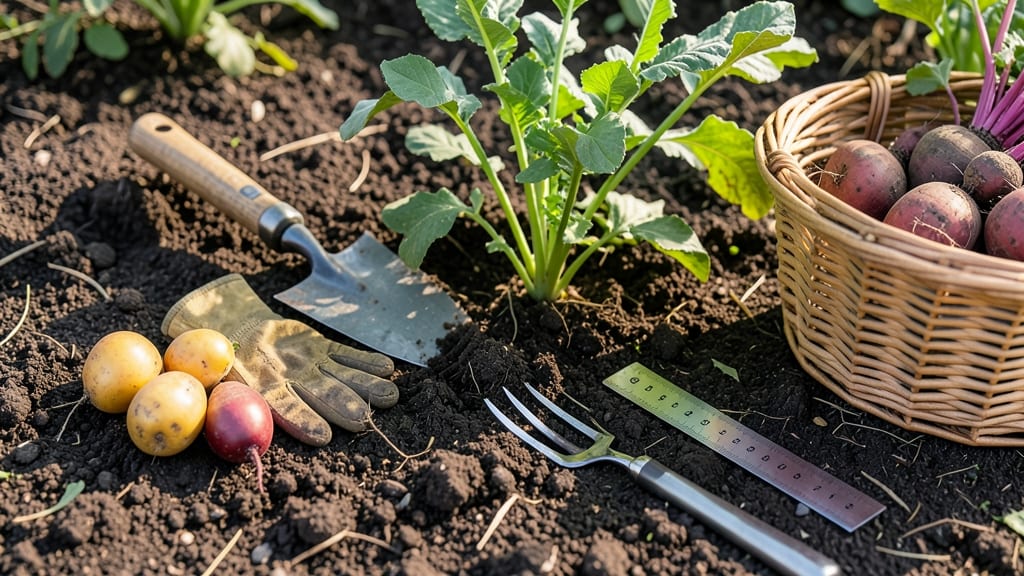
Harvesting beets from the garden at the right time ensures tender, sweet roots 🍠 — and missing that window means tough, bitter vegetables.
Picture this: You’ve nurtured your beets for weeks, only to pull them too early and find underdeveloped roots, or wait too long and end up with woody, cracked messes.
The key is knowing exactly when the roots are perfect for eating — and it’s all about size, color, and soil conditions.
Beets are ready when their roots reach 1 to 3 inches in diameter, their tops are dark green, and the skin resists gentle pressure. Spring-planted beets typically hit this stage in June or July, while fall crops are best harvested in September or October before the first frost.
In this guide, I’ll walk you through how to check for readiness, avoid common mistakes, and even save your harvest for later. Let’s get those beets out of the ground at the perfect moment!


How to determine beet harvest time by root size & soil conditions
Harvesting beets at the right moment transforms your garden into a treasure trove of sweet, tender roots. The key lies in checking root diameter, soil firmness, and leaf signals—each offering clues about maturity.
Baby beets (1-2 inches) are perfect for salads, while mature roots (3+ inches) shine in roasts. Let’s dig into the science-backed method to avoid woody, overgrown disappointments.
Start by examining the root diameter—this is your most reliable indicator. For baby beets, aim for 1-2 inches across. Mature varieties should reach 2-3 inches for peak flavor. Gently brush away soil with your fingers (or a small trowel) to expose the root without damaging it.
If the root feels firm and the skin resists gentle pressure, it’s ready—if it’s soft or cracks easily, it’s overripe.
Next, check the leaf signals. Healthy beet greens should be dark green, vibrant, and 3-4 inches tall. Look for deep veins and no yellowing—these are signs of proper nutrition.
If leaves appear pale or sparse, your beets may need more nitrogen or water. Overly large, bolted leaves mean you’ve waited too long, leading to tough, fibrous roots.
Don’t overlook soil conditions—they’re just as critical. Firm, slightly dry soil at the root zone indicates maturity.
Press your finger into the soil near the base of the plant: if it holds its shape when you remove your finger, the beet is ready. Soggy soil or loose dirt suggests the root is still growing.
Pro tip: Harvest in the morning when soil is cool and roots are at their crispest.
Seasonal timing matters too. In spring plantings, aim for harvests between June and July when soil temperatures are ideal (50–70°F). For fall crops, harvest in September or October before the first frost.
Beets store well in cool, dark conditions, so don’t rush—wait until roots meet your size goals before digging.
Watch for color consistency—deep red, gold, or striped patterns should be uniform. If the root’s color fades or develops pale patches, it’s past its prime. For heirloom varieties like ‘Chioggia’ or ‘Detroit Dark Red’, vibrant stripes indicate peak sweetness.
If you’re unsure, slice one open: a crisp, moist interior means success; a dry, fibrous center means you’ve waited too long.
One common mistake? Harvesting based solely on leaf size without checking the root. Some varieties like ‘Babybeat’ prioritize greens, while others like ‘Bull’s Blood’ focus on root development.
Always verify the root’s size and firmness—never guess. For continuous harvests, plant seeds every 2 weeks in spring and fall to stagger maturity.
Finally, use a gentle twist-and-pull technique to harvest. Grasp the beet greens near the base and wiggle the root free—this minimizes damage to neighboring plants. Rinse roots thoroughly to remove dirt, but avoid soaking (which can cause rot).
Store in the fridge for up to 2 weeks or preserve by pickling, roasting, or fermenting for long-term enjoyment.
With these steps, you’ll master the art of beet harvesting—no more tough, woody surprises! The secret is in the details: root size, leaf health, and soil firmness all work together to give you the perfect beet every time. Happy digging! 🌱
Common mistakes that ruin beet harvests (and how to avoid them)
Even experienced gardeners sometimes miss the perfect beet harvest window, leading to disappointing results. Over-mature beets develop woody textures and bitter flavors, while underripe ones lack sweetness. The biggest culprits? Ignoring subtle maturity cues and misjudging seasonal timing.
One of the most overlooked signs is cracked roots, which appear when beets grow too large for their soil moisture. This often happens in hot summer months when roots expand rapidly but can't keep up with water absorption.
Another red flag is yellowing leaves, signaling stress from either drought or overwatering.
Seasonal timing errors are equally damaging. Spring-planted beets left too long in July heat become tough, while fall crops harvested too early in September remain underdeveloped. The key is knowing your local frost dates and adjusting your harvest schedule accordingly.
⚠️ callout-warning ⚠️
🚨 CRITICAL RED FLAGS: DON'T IGNORE THESE!
- ❌ Cracked roots: Sign of rapid growth + drought stress
- ❌ Bitter taste: Over-mature beets (60+ days past planting)
- ❌ Hollow centers: Roots grew too large for soil nutrients
- ❌ Soft skin: Underripe or diseased (discard immediately)
✅ Harvest immediately if you see any of these - they won't improve!
Soil moisture is another silent harvest killer. Too little water causes shriveled roots, while too much creates waterlogged conditions that prevent proper root development. The ideal is consistent moisture - about 1 inch per week - that keeps soil evenly damp but never soggy.
For baby beets, aim for 50-60 days of growth when roots reach 1 inch diameter. For mature beets, wait until they're 2-3 inches wide with firm skins. Use your fingers to gently squeeze the root - if it feels firm but not hard, it's perfect for harvesting.
Pro tip: Harvest in the morning after watering when roots are plump and flavors are sweetest. This simple timing adjustment can transform your beet harvest from disappointing to delicious. The effort pays off in every bite!