
Picking
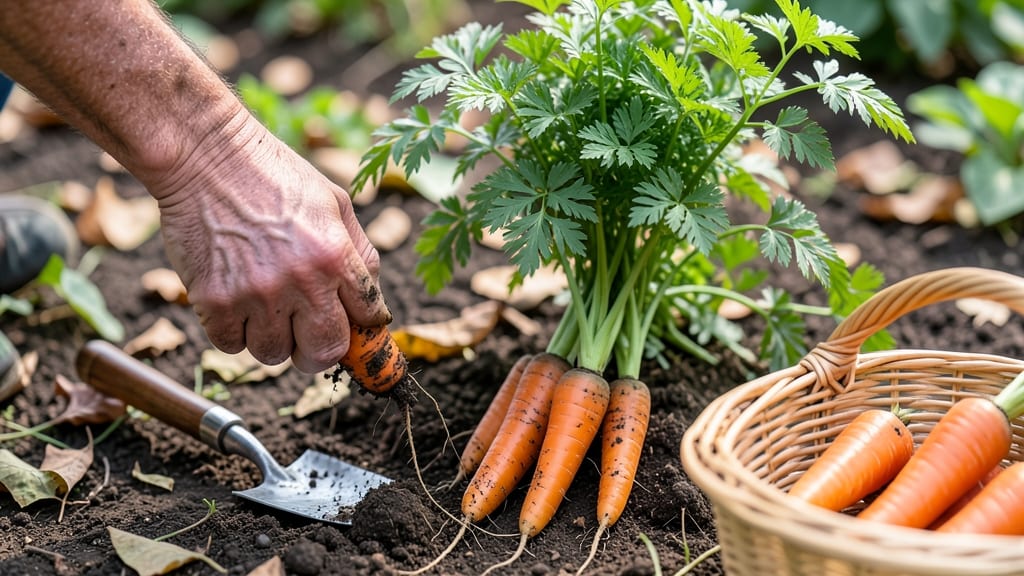
Harvesting carrots from your garden at the right time means the difference between sweet, tender roots and tough, bitter ones — and it all comes down to three clear signs you can’t miss.
Picture this: you’ve nurtured your 🥕 for months, only to pull a forked, undersized root that tastes like disappointment. That’s the frustration of harvesting too early — or worse, too late. But when you nail the timing, you get carrots so sweet they’ll make your family ask for seconds.
Here’s the key: watch for leaf size, root length, and soil conditions — these three factors tell you exactly when to pull them for peak flavor. In this guide, I’ll break down what to look for, the best time of day to harvest, and how seasonal shifts affect your crop.
You’ll also learn how to harvest without damaging future growth, so you can keep the bounty coming all season long. Let’s dig in!


3 Unmistakable signs your carrots are ready for harvesting
Harvesting carrots at the right moment transforms your garden into a treasure trove of sweet, crisp roots—if you miss the window, you’ll end up with tough, bitter vegetables instead. The key lies in recognizing three clear visual and physical cues that signal peak ripeness.
These signs ensure you’re harvesting at the optimal time for maximum flavor and texture, whether you’re growing short varieties like 'Paris Market' or classic long varieties like 'Danvers'.
First, pay attention to the carrot’s size and shape—this is the most obvious indicator. Most gardeners aim for roots that reach their desired mature length, typically between 6-8 inches for standard varieties.
But don’t just guess: gently brush away soil near the plant’s base to check progress. If the root is thick and tapering, it’s ready. Thin or stubby roots need more time in the ground.
Next, examine the shoulder of the carrot, the section just below the soil line. When it’s fully formed and visible above the soil surface, this means the root has stopped growing downward and is now focusing on thickening.
This is your cue that the carrot has reached its ideal size for harvesting. Ignoring this sign often leads to overgrown roots that become woody or split.
Finally, assess the foliage health and size. Healthy carrot tops should be 4-6 inches tall with vibrant green leaves. If the tops are larger than 6 inches or starting to yellow, the carrot may have already reached its peak sweetness and could become fibrous.
Conversely, if the leaves are still small or sparse, the root isn’t fully developed yet.
- 1. Root Size: Carrots reach desired length (e.g., 6-8" for standard varieties). Use a ruler to check depth without digging.
- 2. Shoulder Visibility: The top of the root appears above soil, indicating full growth. Gently brush soil away to confirm.
- 3. Leaf Health: Tops are 4-6" tall with vibrant green leaves. Yellowing or overly large foliage means delayed harvest.
Don’t overlook the texture of the carrot’s skin—this is another subtle but crucial sign. At peak ripeness, the skin should feel smooth and firm to the touch. If it’s rough, hairy, or developing a woody texture, the carrot has overstayed its welcome in the soil.
This often happens when gardeners wait too long, especially in hot summer conditions, which accelerate maturation.
For short-day varieties like 'Nantes', timing is even more critical because they mature faster. Check for readiness every 7-10 days starting around 60 days after planting. Longer varieties like 'Chantenay' may take up to 80 days, but they’ll follow the same visual cues.
The key is consistency: harvest regularly to encourage continuous production.
One common mistake is assuming all carrots mature at the same rate. In reality, uneven soil conditions or competing plants can cause some roots to develop faster than others.
To avoid this, thin seedlings early to give each plant 2-3 inches of space and ensure loose, rock-free soil. This prevents forked roots and promotes even growth.
If you’re growing carrots in containers or raised beds, monitor their progress even more closely. Container-grown carrots often mature slightly faster due to warmer soil temperatures. Use the same visual cues but adjust your expectations based on your local climate zone.
For example, gardeners in Zone 8 or higher may need to harvest earlier in the season to avoid heat stress.
Finally, remember that seasonal timing matters. Spring-planted carrots often reach harvest readiness earlier than fall crops, which may take longer due to cooler temperatures. Always align your harvesting schedule with the 3 signs above—not just the calendar—to guarantee the sweetest, most tender carrots from your garden.
Best time of day and season to harvest carrots for maximum sweetness
Timing your carrot harvest isn’t just about waiting for roots to grow—it’s about capturing the peak sweetness and tender texture that comes from perfect seasonal conditions. I’ve learned the hard way that harvesting at the wrong time can turn your crisp, sweet carrots into tough, woody disappointments.
The best flavor happens when you combine the right time of day with the ideal seasonal window.
Morning harvests consistently deliver the sweetest carrots because the cool night temperatures convert starches into natural sugars overnight. This means pulling your roots just a few hours after sunrise gives you that perfect balance of sweetness and crunch.
Evening harvests work too, but the roots may taste slightly less sweet since the sugars haven’t had time to fully convert during the day.
Seasonally, spring and fall are your golden windows for harvesting carrots. In spring, carrots planted early benefit from cooler soil temperatures that prevent them from becoming fibrous.
Fall harvests, especially before the first frost, often yield the sweetest roots because the cool nights and warm days create ideal sugar conversion conditions. Summer harvests can work, but you’ll need to stay vigilant about consistent watering to maintain tenderness.
| Factor | Optimal Condition | Why It Matters |
|---|---|---|
| Time of Day | Morning (6-9 AM) | Sugars peak after cool nights |
| Season | Spring/Fall | Cooler temps prevent bitterness |
| Soil Temp | 50-75°F | Ideal for sugar development |
| Storage Life | Spring harvests last 2-3 weeks; Fall harvests store 3-4 weeks | Cooler fall temps preserve freshness |
Seasonal factors also play a huge role in how long your harvested carrots will stay fresh. Carrots pulled in spring tend to have a shorter storage life—about 2-3 weeks in the fridge—because the warmer soil temperatures speed up their natural breakdown.
In contrast, fall-harvested carrots can last 3-4 weeks thanks to the cooler ground temps that slow down decay. This is why many gardeners plan their planting schedules to have a continuous harvest window from early summer through fall.
One mistake I see often is waiting too long to harvest, thinking bigger carrots mean better flavor. But once carrots get too large—especially in hot summer months—they become tough and woody.
The key is to harvest when they’ve reached your desired size (usually 6-8 inches for standard varieties) but before the foliage gets too leggy. This ensures you get the perfect balance of size, sweetness, and texture every time.
Pro tip: If you’re growing carrots for regrowth (like baby carrots), harvest the outer leaves first and leave the center crown intact. This lets you extend your harvest season by 4-6 weeks while keeping the roots productive.
Just be sure to harvest in the morning when the soil is moist but not soggy—this makes pulling easier and reduces damage to the remaining plants.
Remember, the best time to harvest isn’t just about the clock—it’s about reading your plants. Watch for those vibrant green leaves and firm, smooth-skinned roots, and you’ll always know when your carrots are at their peak. Happy harvesting!