
Picking
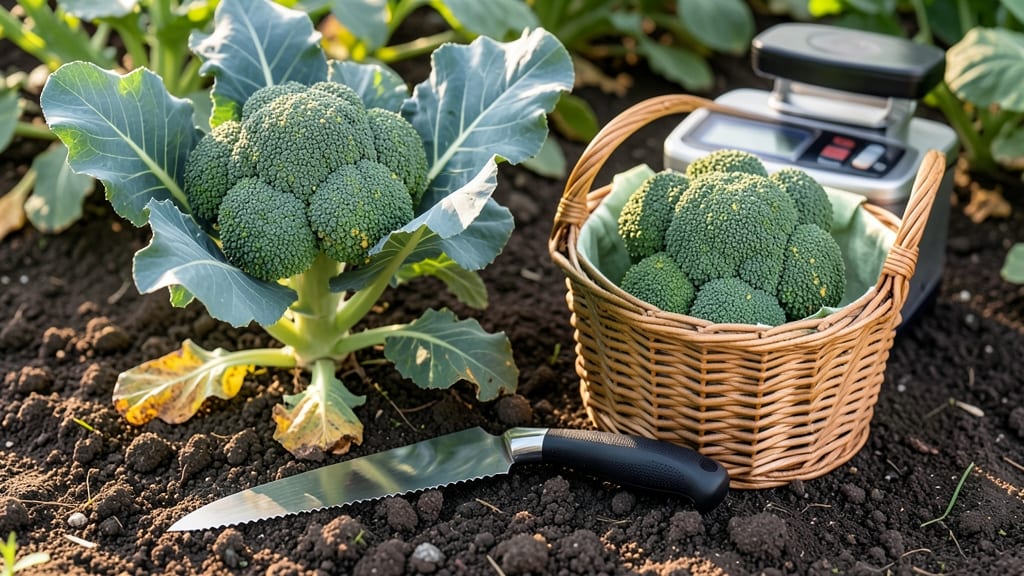
To pick broccoli from the garden at its peak means waiting for those tight, dark-green florets to reach 4–8 inches wide—any later, and you risk bitter, woody stems.
Harvesting broccoli at the perfect moment means the difference between a crisp, flavorful side dish and a bitter, woody disappointment—but how do you know when it's truly ready?
Look for firm, compact heads with no yellowing at the edges, and avoid cutting when florets start spreading apart. The best time to harvest is in the morning, after dew has dried but before the heat of the day.
Below, I’ll walk you through the exact bud tightness test, seasonal timing tips for USDA Zone 6a, and what to do if you miss the window—so you never waste another harvest.


The broccoli bud tightness test: how to check ripeness before harvest
Harvesting broccoli at the perfect moment transforms your garden into a flavor powerhouse. The key lies in the bud tightness test, a simple but critical method to ensure your broccoli is at peak flavor and texture.
When done right, you'll avoid the disappointment of bitter, woody florets or underdeveloped heads that never reach their full potential.
I've learned through years of gardening that timing is everything with broccoli. The 4-8 inch head size is just the starting point—what truly matters is how those florets feel when you gently press them.
A well-timed harvest gives you broccoli that's crisp, vibrant green, and packed with nutrients. Let's break down exactly how to perform this test so you never miss the window again.
🌱 Key Takeaway: The perfect broccoli head should feel firm to the touch with florets that are tightly clustered but not yet starting to open. This balance ensures maximum flavor and texture.
Start by examining the head size—your broccoli should be between 4 to 8 inches wide at its widest point. This is the ideal range where flavor and texture peak.
I always measure against my hand for reference: a head should roughly match the size of my palm or slightly larger. Smaller heads mean the plant hasn't reached maturity, while larger ones indicate it's past its prime.
Next, focus on the color transition. The florets should be a deep, vibrant green, not the pale yellow-green of immature broccoli. Look for uniformity in color—any yellowing or browning at the edges is a clear sign the head has started to overripen.
I've found that morning light brings out these colors most vividly, making inspection easier right after sunrise.
Here's where the bud tightness test becomes your best friend. Gently press the outer florets with your thumb and forefinger. If they resist separation and feel firm to the touch, your broccoli is ready to harvest.
When I first started gardening, I'd often pick broccoli that felt slightly loose, only to discover it was past its prime by the time I cooked it. This simple physical test saves time and frustration.
Pay attention to the stem thickness as well. A mature broccoli head should have a thick, sturdy stem that's at least 1 inch in diameter at the base. Thin stems often indicate an immature plant, while stems that feel hollow or woody signal overripeness.
I keep a small ruler in my gardening toolkit to check stem thickness when I'm unsure about the head size.
Don't forget to check the base leaves. Healthy broccoli plants will have dark green, vibrant leaves at the base. Wilting or yellowing leaves can indicate stress or disease, which might affect the quality of your harvest.
I've learned that maintaining consistent moisture levels keeps these leaves healthy and ensures the main head develops properly.
For those growing broccoli in cooler climates, timing becomes even more critical. In zones 6a and below, broccoli often matures faster due to shorter growing seasons. I've found that checking heads every 2-3 days during the last 2 weeks before expected harvest helps me catch that perfect window.
Use a small notebook to track your plants' progress—note when you first see buds form and when they reach harvest size.
One common mistake I see among new gardeners is waiting too long because they think "bigger is better." But broccoli heads continue to grow after reaching their flavor peak. Once those yellow flowers start appearing in the center, your window has closed.
The florets become bitter and woody, and the texture deteriorates rapidly. Trust your bud tightness test over head size alone for the best results.
Pro tip: Harvest in the morning after dew has dried but before the heat of the day sets in. This timing preserves the crispness and moisture content of your broccoli.
I always carry a small basket lined with damp paper towels to keep freshly picked heads fresh during transport to the kitchen. This simple step extends their shelf life by several days.
🌿 Remember, broccoli plants often produce secondary side shoots after the main harvest. These smaller heads follow the same maturity rules—watch for 2-3 inch buds that are firm to the touch.
With proper care, a single broccoli plant can give you 3-4 harvests over its growing season, making it one of the most productive vegetables in your garden.
Best time of day to harvest broccoli for maximum freshness
Timing your broccoli harvest correctly ensures you enjoy crisp, sweet florets instead of bitter, tough stems. The best time of day to harvest is early morning, between 6 AM and 8 AM, when temperatures are cool and dew has evaporated.
This window minimizes stress on the plant and preserves peak freshness. If morning isn’t possible, late afternoon (after 4 PM) is the next best option, but avoid harvesting during midday heat, which can wilt the florets.
Seasonal timing also matters. In USDA Zone 6a, aim for May-June harvests in spring or September-October in fall. For cooler zones, extend fall harvests by choosing cold-hardy varieties like 'Waltham 29' or 'De Cicco'.
After harvesting, store broccoli in the fridge crisper drawer (not plastic bags) for 5-7 days. To extend freshness, trim stems and place florets in water-filled containers like cut flowers—this keeps them crisp for up to 10 days.
For gardeners in hot climates, harvest earlier in the season (late winter/early spring) to avoid heat stress. In northern regions, prioritize fall harvests before the first frost hits.
Pro tip: If your broccoli bolts (sends up flower stalks), harvest the side shoots that form—these are just as flavorful and can extend your harvest by 2-3 weeks.