
Picking
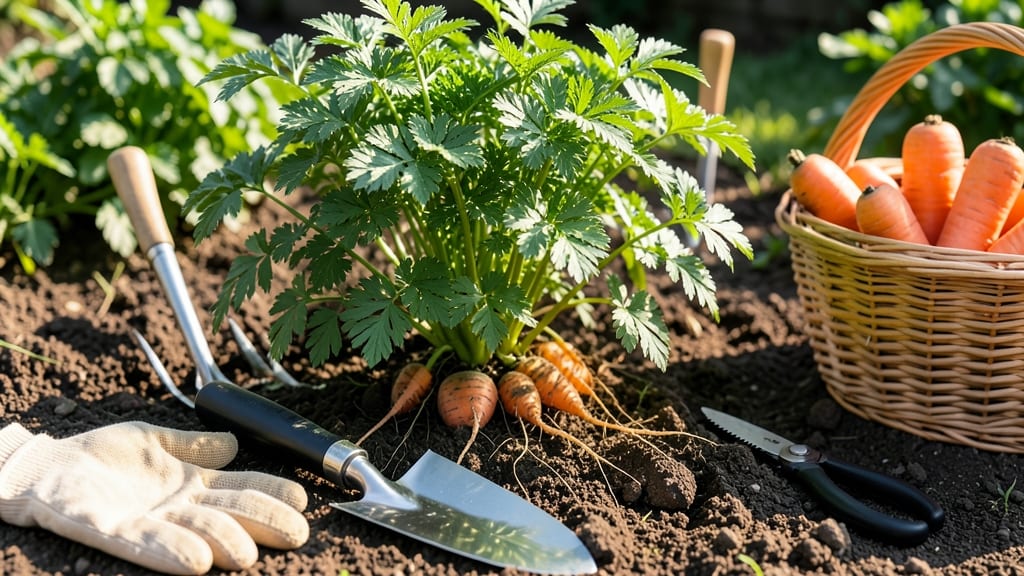
To pick carrots in your garden at the right time means catching them when they’re sweet, crisp, and at their peak flavor—not before they’re ready, and certainly not after they’ve turned woody.
Harvesting too early leaves you with tiny, underdeveloped roots, while waiting too long turns them tough and bitter. The good news? You don’t need a calculator or guesswork—just a few simple visual cues to pull them at the perfect moment.
Look for vibrant green foliage reaching 6–8 inches tall, roots that resist gentle pressure, and a deep, consistent color. These signs mean your carrots are ready to harvest, whether you’re growing them in Zone 6a or beyond.
Below, I’ll break down the exact timing—including the best time of day and season—to ensure your carrots stay fresh, flavorful, and ready for the table.


3 Visual cues to know when carrots are ready for harvest
Knowing exactly when to harvest your carrots can transform your garden yield from mediocre to mouthwatering. Unlike some vegetables that require precise timing based on days after planting, carrots give you clear visual signals that scream, "Pick me now!"
These cues—leaf size, root development, and color changes—are your garden's way of telling you the perfect moment to pull them from the soil.
I’ve learned the hard way that waiting too long turns those sweet, crisp roots into tough, woody sticks. But by paying attention to these three key indicators, you’ll avoid that fate and enjoy carrots at their peak flavor and texture.
Let’s dive into what your carrot plants are trying to tell you before harvest time.
When your carrot tops reach about 6-8 inches in height and are vibrant green, it’s a strong sign your roots are ready. These leaves act like a growth thermometer—if they’re smaller or yellowing, your carrots need more time. But if they’re sprawling and healthy, it’s time to check the roots!
Gently brush away topsoil around a few carrots to peek at their size. At peak ripeness, they should be firm and thick, measuring about ½ to 1 inch in diameter. If they’re pencil-thin, give them more time. Pro tip: Use a ruler to check—this takes the guesswork out of sizing!
The skin texture is your final clue. Press a carrot gently with your thumb—if it feels firm and resists slightly, it’s ready. Soft or easily pierced skin means it’s still maturing. Overripe carrots become woody and tough, so don’t wait too long after this cue!
One of my favorite tricks is to harvest a few carrots as a test when the leaves hit 6 inches. This gives you a real-time snapshot of their readiness without committing to the whole patch.
I’ve found that morning harvests yield the crispiest carrots because the soil is cooler and moisture levels are optimal.
Don’t overlook the color consistency either. A deep, even hue—whether orange, purple, or yellow—means your carrots are fully mature. Uneven coloring or pale patches can signal uneven growth, often caused by rocky soil or inconsistent watering.
If you’re growing heirloom varieties, their unique colors will deepen as they ripen, making them even more visually rewarding!
Timing your harvest correctly also prevents bolt formation, where carrots send up flower stalks and become bitter. If you notice your plants flowering, it’s a sign they’ve been left in the ground too long.
But by watching for these three visual cues, you’ll avoid that fate entirely and enjoy carrots at their sweetest and most tender.
For baby carrots, you can harvest even earlier—around 50 days—when they’re about ½ inch in diameter. These are perfect for quick salads or snacks, and their smaller size means they won’t have time to develop that tough, fibrous texture.
Just remember: the sooner you pick them, the sooner you’ll need to replant for a second harvest!
Once you’ve confirmed your carrots are ready, use a fork or garden gloves to loosen the soil around them before pulling gently. Shaking off excess dirt and storing them in a cool, dark place will keep them fresh for weeks.
And if you’re feeling adventurous, try hanging them in nets to cure for a few days—this enhances their sweetness!
Mastering these visual cues will turn your carrot harvests from a gamble into a reliable, flavorful success. Next time you’re in the garden, take a moment to check these three signs—your taste buds will thank you! 🥕
Best time of day and season to harvest carrots for maximum flavor
Timing your carrot harvest is just as important as visual cues—picking at the wrong time can turn sweet, crisp roots into tough, bitter ones. The best time of day to harvest is early morning, when temperatures are cool and moisture levels are ideal.
This preserves their natural sweetness and prevents wilting during storage.
Seasonally, spring and fall offer the perfect balance of cooler temperatures and consistent moisture. In spring, aim for harvest between June and July when soil remains workable. For fall crops, harvest in October or November before the first frost, as cold snaps can make roots woody and pithy.
Weather plays a surprising role—dry, sunny days are ideal for harvesting, as damp soil can make roots harder to pull cleanly. Avoid harvesting after heavy rain, which can loosen soil and damage tender roots.
If you must harvest in wet conditions, wait until the soil has dried for a few hours.
After harvesting, store carrots properly to maintain their sweetness. Trim the green tops (they draw moisture) and store in a plastic bag in the fridge for up to 3 weeks.
For long-term storage, cure them in a cool, dark place for 24 hours before storing in sand or sawdust for months.
If you miss the perfect window, don’t worry—baby carrots can be harvested earlier (around 50 days) for tender, sweet roots. Just thin the crop to avoid competition, which also improves flavor and size for the remaining plants.
Remember, the key to maximum flavor is consistency—harvest regularly to encourage continuous production. By following these timing tips, you’ll enjoy carrots that are crisp, sweet, and full of garden-fresh goodness all season long. 🥕