
Picking
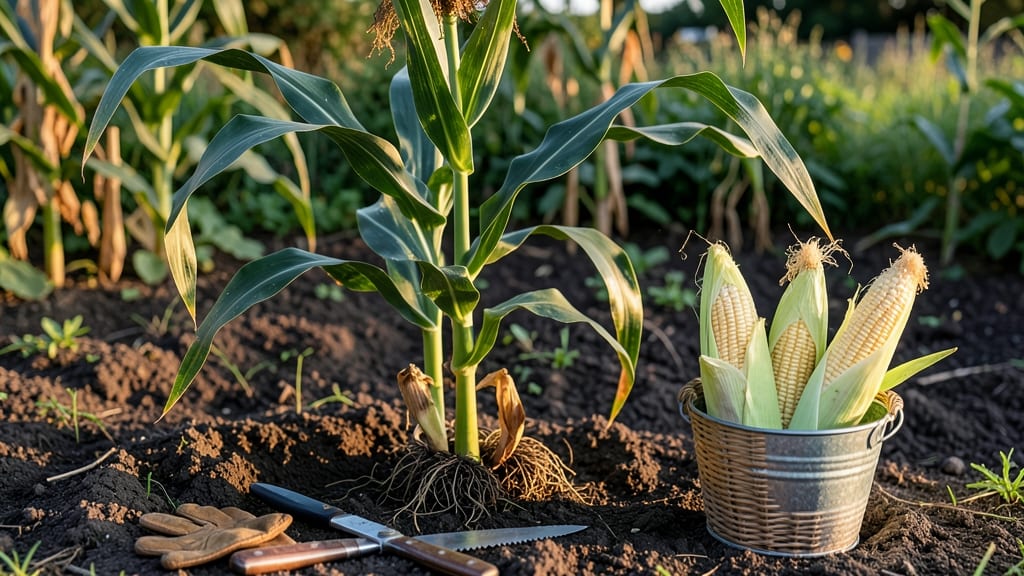
To pick corn from your garden at the perfect moment means catching it when kernels are plump, milky, and bursting with sweetness—before they turn starchy or tough.
Nothing beats the taste of freshly picked garden corn—crisp, sweet, and bursting with flavor—but timing is everything. Harvest too early, and you’ll miss peak sweetness; wait too long, and you’ll get tough, starchy ears. Here’s how to master the perfect moment.
Most corn varieties reach peak flavor between 70 and 90 days after planting, but the real test is visual cues: silks turning brown, kernels feeling firm and milky, and husks pulling back easily. I’ll show you exactly what to look for.
You’ll also discover the best time of day to harvest for maximum sweetness, how weather affects timing, and common mistakes that ruin the harvest—so you can enjoy homegrown corn at its finest.


How to tell when corn is ready to pick by silk & kernel stages
Picking corn at the perfect moment transforms your garden harvest from good to extraordinary. The key lies in two simple but critical visual cues: the silk color and the kernel maturity stage.
When these signals align, you’ll know your ears are at peak sweetness. Let’s break down exactly what to look for to avoid missing that sweet spot.
Most gardeners focus on the silk drying process, but the kernel milk-stage test is equally important. The silks start bright yellow-green and gradually turn brown as the kernels mature.
Meanwhile, the kernels inside go from hard and translucent to plump and milky-white. When both indicators match, that’s your cue to harvest.
| Stage Indicator | Ready to Pick? | What to Look For | Action |
|---|---|---|---|
| Silk Color | ✅ Yes | Dry, brown, and crumbly | Harvest within 24 hours |
| Silk Color | ❌ No | Still green or yellow | Wait 1-3 more days |
| Kernel Stage | ✅ Yes | Plump, milky-white, firm | Perfect for eating fresh |
| Kernel Stage | ❌ No | Hard, translucent, or dented | Too early or too late |
| Husk Condition | ✅ Yes | Pulls back easily, no resistance | Ready for harvest |
| Ear Weight | ✅ Yes | Feels heavy for size | Optimal maturity |
Start by checking the silk color first—this is your fastest clue. When the silks turn from vibrant green to a dry, tan or brown color, they’ll crumble easily between your fingers.
This usually happens about 20-25 days after pollination, depending on your corn variety. Don’t wait until the silks are completely brittle, though—pick them when they’re still slightly crisp.
Next, perform the kernel milk-stage test. Cut a kernel open lengthwise—if it’s milky-white (like liquid cream) with a tiny bit of translucent liquid at the base, that’s your sweet spot.
If the kernel is still hard and clear, it’s not ready. If it’s dry and dented, you’ve waited too long. This test is foolproof for determining peak sweetness.
Another pro tip: Gently pull back the husk on a few ears. If it slides back easily without resistance, the corn is ready. If it feels tight or the husk resists, wait another day or two.
This simple check saves you from harvesting corn that’s past its prime. The husk should also feel plump and moist, not dry or papery.
Don’t forget to check ear weight—a ripe ear feels surprisingly heavy for its size. Hold a few ears in your hand; the heaviest ones are usually the ripest. This trick works especially well for heirloom varieties, which can vary more in maturity timing than hybrid sweet corn.
If you’re growing multiple varieties, label your plants to track their individual progress.
For super-sweet varieties like Silver Queen or Honey & Pearl, timing is even more critical. These types convert sugars to starch faster, so harvest them 1-2 days earlier than standard sweet corn.
Always refer to the seed packet’s days-to-maturity guide, but use the silk and kernel tests as your final judge—no two gardens are exactly alike!
One common mistake is assuming all corn ripens at once. In reality, ears on the same plant can mature 3-5 days apart. To maximize your harvest, check a few ears every 2-3 days once the silks start drying.
This staggered approach ensures you don’t miss any peak-ripeness windows. Keep a small notebook nearby to jot down which plants yield the sweetest ears—you’ll spot patterns over time.
Finally, remember that weather affects timing. Hot, dry spells can speed up maturation, while cool, cloudy weather may slow it down. If you’re in a shorter growing season (like Zone 5 or cooler), prioritize harvesting the earliest-ripening varieties first.
With these visual cues mastered, you’ll never again wonder when to pick corn from your garden—just look, test, and enjoy that garden-f
Best time of day to harvest corn for maximum sweetness
Timing your corn harvest isn’t just about maturity—it’s also about when you pick during the day. Morning harvests often yield the sweetest corn because cooler temperatures preserve natural sugars. But evening picks can work too, depending on your climate and corn variety.
Corn’s sugar content peaks in the morning after a cool night, making it most flavorful when harvested between 7 AM and 9 AM. This is when the starch-to-sugar conversion is at its prime.
However, if you’re in a hot climate, late afternoon harvests (after 4 PM) can still deliver great results by avoiding midday heat stress.
- Morning (7-9 AM): Best for sweetness—cool temps lock in sugars. Ideal for most varieties.
- Late Morning (10 AM-12 PM): Still good, but sugars may start converting to starch.
- Afternoon (1-4 PM): Risk of heat stress—kernels may toughen faster in hot climates.
- Evening (After 5 PM): Only if temps drop quickly; otherwise, sugars may have converted.
Temperature plays a crucial role in sugar retention. Corn grows best in 70-85°F soil temps, but cooler nights (below 70°F) slow starch conversion, keeping kernels sweeter longer.
If your mornings are chilly, harvest earlier—even 6 AM can work. In contrast, hot afternoons can cause sugars to convert to starch prematurely, making corn less sweet.
Pro tip: If you can’t harvest in the morning, pick within 24 hours of peak ripeness. Store unharvested ears in the shade with husks intact to slow sugar loss. Some gardeners even harvest at night during extreme heat, but this is a last resort—sweetness will suffer.
Don’t overlook the silk and kernel test alongside timing. Even if you harvest at the perfect time, if silks are still green or kernels feel hard, your corn isn’t ready. Combine morning harvests with these visual cues for foolproof sweetness every time.
For super-sweet varieties like ‘Silver Queen’ or ‘Peaches and Cream,’ morning harvests are non-negotiable. But for starchy varieties like ‘Golden Bantam,’ timing matters less—though you’ll still want to avoid midday heat. Experiment with your local climate to find the sweet spot!