
Picking
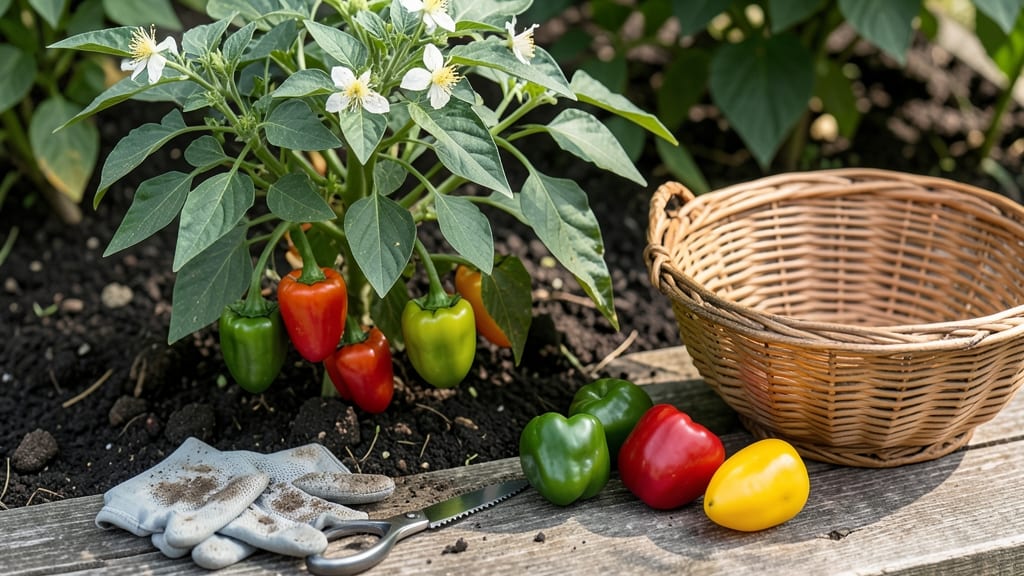
To pick garden salsa peppers at their peak flavor, watch for vibrant color and firm skin—harvesting too early or late ruins the heat and sweetness you worked so hard to grow.
Harvesting salsa peppers at the wrong stage can turn your homemade salsa from fiery delicious to bland disappointment—here’s how to nail the perfect ripeness for maximum heat, color, and flavor.
Most varieties ripen between 75 and 90 days, but color is your best guide: reds deepen to glossy crimson, yellows brighten like sunshine, and oranges glow like a sunset. In USDA Zone 6a, aim for late summer to early fall before the first frost hits.
Below, I’ll break down the exact ripeness cues—from size and firmness to taste tests—and share storage tips to keep your harvest fresh longer.


Salsa pepper ripeness stages by color: when to harvest for best flavor
Picking your salsa peppers at the right moment transforms your harvest from good to extraordinary. The color of your peppers isn’t just about aesthetics—it’s a direct indicator of flavor intensity and heat levels.
Green peppers might be mild, while red, yellow, or orange varieties pack a punch when fully ripe. Understanding these ripeness stages ensures you capture the perfect balance of sweetness and spice for your homemade salsa.
Most gardeners focus solely on color changes, but the real magic happens when you combine visual cues with tactile tests and environmental timing. For example, a red jalapeño harvested too early will lack the deep, smoky flavor of its fully mature counterpart.
Let’s break down each color stage so you can harvest with confidence and avoid common mistakes that ruin flavor.
🌶️ Pro Tip: Always harvest in the morning after the dew has dried—this ensures peppers are at their firmest and most flavorful. Use sharp pruning shears or clean scissors to avoid damaging the plant.
Green peppers are the youngest stage and often the mildest, with 0-1,000 Scoville Heat Units (SHU). They’re perfect for green salsa or quick pickling, but if left on the plant, they’ll mature into more complex flavors.
For varieties like jalapeños or serranos, harvesting green means skipping the sweetness development that happens in later stages.
The transition to red is where most peppers reach their peak flavor and heat potential. Red peppers develop sugars and deeper aromatics, making them ideal for classic salsa recipes.
However, if your climate is cooling quickly, don’t wait too long—peppers left on the vine too late may become overripe and mealy. Aim to harvest red peppers when they’re fully colored but still firm.
Yellow and orange peppers often get overlooked, but they offer unique flavor profiles. Yellow varieties tend to be lighter and citrusy, while orange peppers strike a balance between sweet and spicy. These colors appear later in the season, so prioritize harvesting them before first frost threatens your plants. For example, a yellow banana pepper harvested at peak color will add a bright, almost tropical note to your dishes.
Regional climate factors play a huge role in ripening. In hot, dry climates like Arizona or California, peppers may ripen faster and develop intensely bright colors.
Meanwhile, in cooler regions like the Pacific Northwest, peppers might stay green longer or develop duller hues if not given enough sunlight and warmth. If you’re in a short growing season, consider using row covers to extend the harvest window.
One common mistake is assuming all green peppers are underripe. Some varieties, like jalapeños, are naturally green when mature. To confirm ripeness, check for size consistency across peppers on the same plant and a slight give when squeezed.
Overripe peppers will feel soft or wrinkled, and their seeds may turn dark and shriveled, which can make your salsa taste bitter.
For maximum heat retention, harvest peppers when their color is uniform and vibrant. A pepper with uneven coloring (e.g., half green, half red) may not have fully developed its flavor or spice levels.
Use a sharp knife or shears to cut the pepper 1/4 inch above the stem—this prevents damage to the plant and allows for easier storage. If you’re unsure, taste-test one pepper before committing to a full harvest.
After harvesting, store peppers in a cool, dry place (like a paper bag in the fridge) for up to 2 weeks. For long-term use
How to test salsa pepper ripeness beyond color: tactile and taste cues
While color changes signal ripeness, salsa peppers reveal even more clues through touch and taste. A firm, glossy skin paired with a slight give when squeezed means your pepper is ready. This tactile test helps you avoid overripe peppers that lose heat and flavor.
For green varieties, wait until the pepper reaches its full size before harvesting. Even if it’s green, a thick, waxy skin indicates maturity. Meanwhile, red, yellow, or orange peppers should feel slightly firm but not rock-hard—like a ripe tomato.
Here’s the critical mistake: Harvesting too early for a milder salsa or waiting too long for extra sweetness. Both extremes ruin your harvest. Use these cues to balance heat intensity and flavor complexity.
⚠️ Warning: Overripe Peppers Lose Heat
Peppers that turn soft or wrinkled have lost 50% of their capsaicin (the compound that gives them heat). Harvest when the stem snaps cleanly—this guarantees peak spiciness and flavor.
Next, check the seed development. Fully ripe salsa peppers have fully formed seeds that are dark and plump. If the seeds are still white or shriveled, the pepper needs more time on the vine.
This internal cue is especially useful for green varieties like Padron peppers, which stay green but ripen internally.
Finally, taste-test one pepper from each plant. A ripe salsa pepper should have a balanced sweetness and sharp heat. If it tastes bland or overly sweet, it’s underripe. If it’s bitter or mealy, it’s past its prime. This simple test ensures you harvest at peak flavor every time.
Pro tip: Harvest in the morning when temperatures are cooler. This preserves the pepper’s freshness and heat levels longer. Store them in a paper bag in the fridge to slow ripening if you’re not ready to use them.
By combining color, firmness, seed checks, and taste tests, you’ll never miss the perfect harvest window again. Your salsa will thank you with bold, complex flavors every time! 🌶️