
Picking
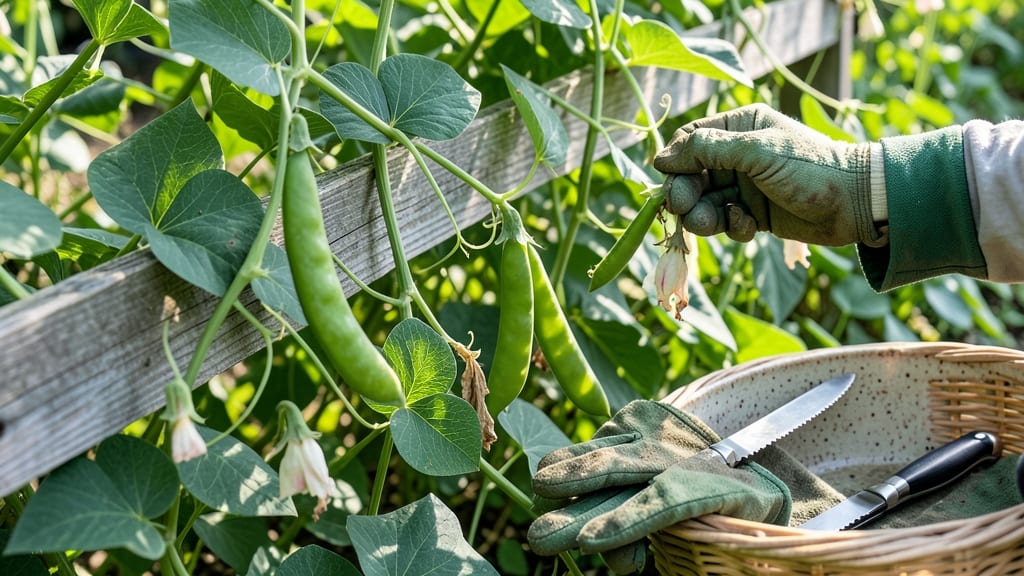
To pick peas from your garden at their sweetest, watch for pods that are 2-3 inches long and firm to the touch—this is the peak ripeness window most gardeners miss.
There’s nothing like biting into a perfectly ripe pea straight from your garden—crisp, sweet, and bursting with fresh flavor. But knowing exactly when to harvest can mean the difference between a delicious snack and a mealy disappointment.
Peas mature fast, so timing matters more than you might think. In USDA Zone 6a, early spring plantings (like those sown in March) reach harvest in just 60-70 days, while late-summer varieties need careful monitoring to avoid overripening.
Below, I’ll share three tactile tests to nail the perfect harvest—no guesswork required. You’ll learn how to check pod size, firmness, and seed development, plus how often to pick for continuous production.


3 Tactile tests to determine when peas are ready for harvesting
Peas are one of those crops where timing is everything—harvest too early, and you’ll miss the sweetness; too late, and they turn tough and starchy. The good news? You don’t need fancy tools or lab tests to know when they’re ready.
Just use your hands and eyes to check three simple tactile cues. These tests work for shelling peas, snap peas, and snow peas, so you’ll never miss the perfect harvest window again.
Why rely on touch? Peas mature quickly, and visual cues like color can be misleading. A firm pod with plump seeds inside is your golden ticket to garden-fresh flavor.
These tests take seconds but save you from mealy, overripe peas. Let’s break down how to use them like a pro, even if you’re new to gardening.
Pod Size Check
Gently pinch a pod between your thumb and forefinger. For snap peas, it should be 2-3 inches long and slightly swollen. Shelling peas need pods that are 1.5-2 inches but thick and rounded. If pods are smaller than a golf ball, wait a few days.
Firmness Test
Press lightly on the pod’s surface. A ripe pea pod should feel slightly firm but not rock-hard. If it’s too soft, the seeds aren’t developed; if it’s overly tough, the peas inside may be dry and starchy. Aim for a balanced resistance—like squeezing a ripe avocado.
Seed Development
Peel back the outer pod skin slightly to peek at the seeds. For shelling peas, seeds should be plump and rounded, filling about half the pod’s length. For snow peas, seeds should be tiny and flat, with no bulging. If seeds look shriveled or underdeveloped, the pod isn’t ready yet.
Pro tip: Always harvest peas in the morning when temperatures are cooler. This ensures they’re at their crispest and sweetest, thanks to overnight hydration. Grab a pair of sharp scissors or pruning shears to snip pods just above the leaf node—this encourages more production and keeps your plants healthy.
What if your peas are ready but the weather’s too hot? Don’t stress! Peas are cool-season crops, so they’ll slow down in heat. Harvest what you can and store extras in the fridge for up to 5 days.
For extended harvests, succession plant every 2 weeks to keep a steady supply. This way, you’ll always have fresh peas straight from your garden.
One common mistake? Waiting until pods turn yellow or brown. By then, the peas inside are often overripe and tough. Trust your fingers over your eyes—tactile tests are foolproof. And if you’re unsure, just pick a few pods to taste-test. Your taste buds will thank you!
For climbing varieties, focus on the lower pods first. These mature slightly earlier than those higher up the vine. If you’re growing bush peas, check the outer pods nearest the stem—they’ll be ready before the inner ones.
This staggered ripening means you’ll get a longer harvest window, so enjoy those crisp, sweet peas all season long.
Remember, consistency is key. Check your peas every 2-3 days once they start flowering. The more often you harvest, the more your plants will produce. And if you miss a day or two, don’t worry—peas can handle a little delay, but they won’t get sweeter once they’re past their prime.
Now that you’ve mastered these tactile tests, you’re ready to enjoy the sweetest, crispiest peas your garden has to offer. Happy harvesting! 🌱
Pea variety harvest times: shelling vs. snow vs. snap peas
Not all peas are created equal—and neither are their harvest windows! The three main pea types—shelling, snow, and snap peas—each mature at slightly different speeds, requiring precise timing to avoid tough or overripe pods. Understanding these differences ensures you enjoy peak sweetness and texture every time you pick.
Shelling peas, like the classic Sugar Snap or Lincoln varieties, take 50-70 days to reach harvest, while snow peas (Oregon Sugar Pod) mature faster at 50-60 days.
Snap peas (Sugar Sprint) fall in between at 55-65 days. The key? Harvesting at the right stage transforms these peas from starchy disappointments into garden-fresh delights.
| Type | Days to Harvest | Pod Size | Key Harvest Cue |
|---|---|---|---|
| Shelling Peas | 50-70 days | 2-3 inches | Firm pods with plump seeds |
| Snow Peas | 50-60 days | 1.5-2.5 inches | Flat, crisp pods with tiny seeds |
| Snap Peas | 55-65 days | 2-3 inches | Crunchy pods with undeveloped seeds |
Shelling peas need extra patience because their seeds are the star. Wait until pods are plump and slightly tough—if you can see the seeds through the pod, they’re past their prime.
For snow peas, harvest when pods are flat and tender, as they lose crispness quickly. Snap peas, meanwhile, thrive on regular picking—their sweetness peaks when pods are crunchy and string-free.
Timing matters because peas stop sweetening once they mature. A 5-day delay can turn crisp snow peas into woody sticks or make shelling peas mealy. Check your plants every 2-3 days starting 10 days before their expected harvest window. Pro tip: Morning harvests ensure pods are hydrated and sweetest.
Climate plays a role too. Cooler temperatures slow maturity, while hotter days can rush it. In Zone 6a, aim for early spring harvests (March-April) to avoid summer heat stress.
If you’re growing fall peas, plan for late summer sowing (70-80 days before first frost) to catch that sweet window before cold sets in.
Knowing these variety-specific cues turns guesswork into garden success. Next time you’re eyeing your pea vines, run your fingers along the pods—firmness and size are your best friends.
With the right timing, you’ll enjoy peas that are sweet, crisp, and bursting with flavor—straight from your garden to your plate. 🌱