
Picking
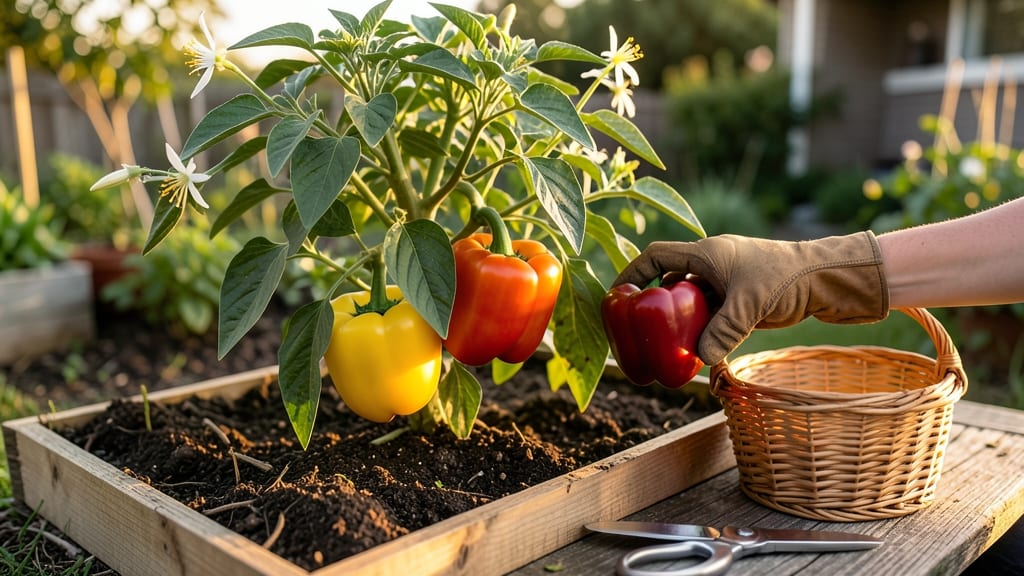
To pick peppers from your garden at the perfect moment means capturing their sweetest, most vibrant flavor—before they turn mealy or bitter.
Harvesting peppers at the right time can mean the difference between sweet, flavorful rewards and bitter, underripe disappointments—so knowing these key visual cues could save your garden (and your taste buds).
Think of it like waiting for a ripe avocado: too soon, and you’re left with a bland, seedy mess; too late, and the texture turns to mush. The same goes for 🌶️ peppers—whether you’re growing bell peppers, jalapeños, or something spicier.
Below, I’ll break down the three foolproof signs that your peppers are ready to pick, plus how to adjust for your local climate so you never miss the window again.


3 Visual cues to determine when to pick peppers from garden
Knowing exactly when to harvest your peppers transforms your garden from a guessing game to a flavor-packed victory. Unlike many fruits, peppers continue ripening after they're picked—so timing matters! The key lies in three visual cues: color transformation, size consistency, and skin texture.
I've learned that ignoring these signs can lead to peppers that are either too mild or too tough for fresh eating.
First-time gardeners often ask, "Why does my pepper look ripe but taste bland?" The answer lies in these three visual indicators that work for bell peppers, jalapeños, and even hotter varieties.
Mastering these will help you avoid the disappointment of underripe peppers that never develop their full sweetness or heat potential. Let's break down each cue with practical examples you can check in your garden today.
- 1 Color Transformation: Peppers change color as they ripen—bell peppers turn from green to yellow, red, or purple, while jalapeños shift from green to red or brown. For heirloom varieties, check the plant's specific mature color. Uneven coloring means the pepper needs more time.
- 2 Size Benchmarks: Compare the pepper to its mature size for the variety. Bell peppers should be 3-6 inches long, while jalapeñosg reach 2-3 inches. If the pepper stops growing and maintains its shape for 5-7 days, it's ready. Smaller peppers often lack full flavor development.
- 3 Skin Texture: Gently press the pepper with your thumbnail. Ripe peppers feel firm but slightly yielding, like a ripe avocado. Overripe peppers get soft or wrinkled, while underripe ones feel hard. A glossy skin also indicates ripeness—dull skin means the pepper needs more time on the plant.
Let me share a personal tip: I once picked a red bell pepper that looked perfect but tasted watery. The issue? It had wrinkled skin—a dead giveaway it was overripe.
That mistake taught me to always check all three cues before harvesting. For jalapeños, I wait until they're fully colored and slightly glossy, which guarantees the best heat and crunch.
Regional climate plays a role too. In hotter zones (like Zone 9), peppers ripen faster, while cooler areas (Zone 6) may need extra time. I've found that morning harvesting works best—peppers are cooler and firmer, making them easier to handle.
Pro tip: Use sharp pruning shears to avoid damaging the plant, and always leave a small stem attached to preserve freshness.
One common mistake is harvesting peppers based solely on color. For example, a green bell pepper might look ripe but still taste bitter if it hasn't reached its full size. Always cross-check with the other two cues.
I've also noticed that heirloom varieties often take longer to ripen—sometimes up to 120 days—so patience is key for those deep purple or striped beauties.
For drying or cooking, you can harvest peppers slightly earlier than peak ripeness, but for fresh eating, wait until all three cues align. I like to harvest every 2-3 days during peak season to encourage more production.
This frequent picking also prevents overripe peppers from spoiling on the plant, which can attract pests like aphids or spider mites.
If you're growing multiple pepper varieties, keep a small notebook nearby to track each type's ripening timeline. For instance, jalapeños might ripen in 70 days, while hotter habaneros can take up to 100 days. Noting these details helps you plan your harvest schedule and avoid missing the perfect moment.
Remember, the stem separation test is your final check: Gently twist the pepper at its stem. If it snaps cleanly with minimal resistance, it's ready to pick. This method works for all pepper varieties and is a foolproof way to avoid underripe or overripe mistakes.
With these three visual cues mastered, you'll be harvesting peppers like a pro in no time!
Peppers vs. fruits: how ripeness differs by variety
Not all peppers ripen the same way—bell peppers, chili peppers, and heirloom varieties each have unique ripening patterns that determine when to pick them for fresh eating, drying, or cooking. Unlike fruits that soften as they ripen, peppers often change color and firmness in distinct stages.
For example, a bell pepper might stay green until fully ripe, while a jalapeño can ripen from green to red or yellow.
Understanding these differences is key to maximizing flavor and yield. Bell peppers are typically harvested at their peak color (red, yellow, or orange) for the sweetest taste, while chili peppers often develop more heat and complexity as they ripen.
Heirloom varieties, like Cayenne or Anaheim, may require even more patience—sometimes waiting until they turn deep red or brown for the best flavor profile.
Here’s how ripeness varies by type, including when to harvest for different uses:
For bell peppers, the sweetest flavor comes when they’re fully colored—red, yellow, or orange—because that’s when their sugar content peaks. If you’re growing them for fresh eating, don’t wait too long or they’ll turn mealy.
Meanwhile, chili peppers like jalapeños can be harvested green for a sharper kick or left to ripen for a sweeter, fruitier taste.
Heirloom varieties often require the most patience. Cayenne peppers, for example, develop their signature heat and depth of flavor only after turning deep red or brown. If you’re drying or fermenting peppers, letting them ripen fully ensures better texture and flavor retention.
However, if a late frost threatens, it’s better to harvest green but firm peppers than risk losing your crop entirely.
Pro tip: Check the stem—when it snaps easily, that’s your cue to pick. For drying or cooking, you can harvest peppers slightly underripe (but firm) to avoid over-ripening, which can make them tough or bitter.
Just store them in a cool, dry place until they ripen fully if needed.
🌶️