
Planting
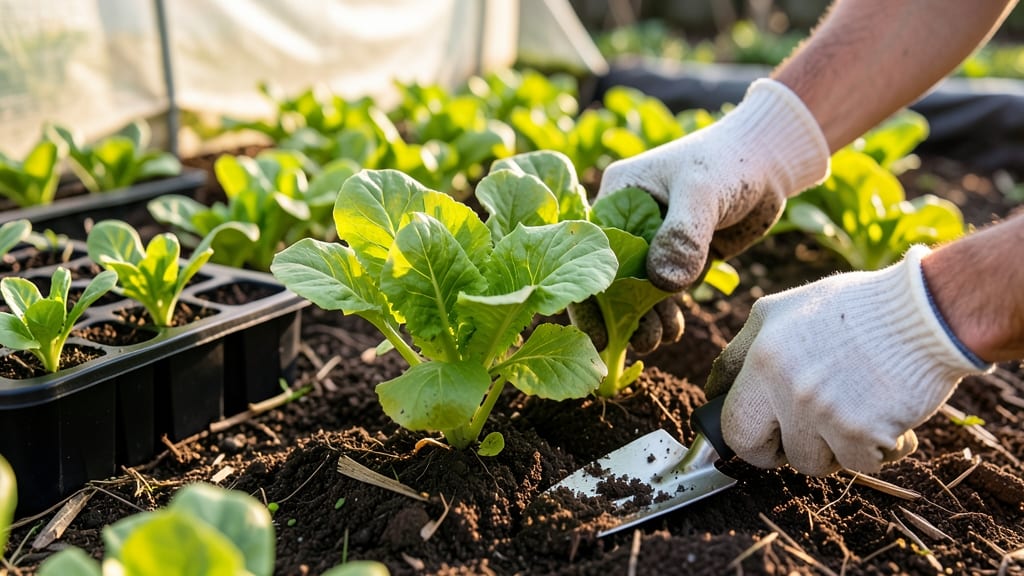
Planting a fall garden in South Texas starts mid-August to mid-September — the sweet spot between scorching summer and early frost risks.
You might think the heat would ruin your chances, but with the right timing and heat-tolerant crops, you can still enjoy a thriving harvest. The key? Avoiding late summer’s brutal temperatures while maximizing the cooler fall months.
This guide breaks down the best planting windows, crop choices, and soil prep tips to keep your 🌱 fall garden flourishing in South Texas’s unique climate. No more guessing—just actionable advice for a productive harvest.
Ready to get started? You’ll learn which vegetables thrive in the heat, how to prep your soil, and when to expect your first frost—so you can plan ahead for a bountiful fall garden.
Best planting timeline for fall vegetables in South Texas heat
South Texas gardeners can still grow a thriving fall garden, but timing is everything. The key window for planting heat-tolerant vegetables begins in mid-August and extends through mid-October. This timeline aligns with cooling temperatures and avoids the brutal 100°F+ summer heat that stresses young plants.
In USDA zones 8-10, first frost typically arrives between mid-December and early January, giving you a 4-5 month growing season if you plan correctly.
Unlike traditional spring gardens, fall planting in South Texas requires heat-tolerant varieties and strategic scheduling. Most cool-season crops (like lettuce or broccoli) won't survive the initial heat, so focus on warm-season staples that thrive in 80-90°F soil.
Start by testing your soil temperature—ideal ranges are 75-85°F for most fall crops. Use a soil thermometer to check before planting; if temps exceed 90°F, delay until evening or use shade cloth.
| Month | Planting Window | Ideal Soil Temp (°F) | Rainfall Needs | Key Crops |
|---|---|---|---|---|
| Mid-August | Start heat-tolerant seeds | 80-85°F | 1-1.5 inches/week | Okra, Sweet Potatoes, Black-Eyed Peas |
| Late August | Transplant seedlings | 75-80°F | 1-2 inches/week | Malabar Spinach, New Zealand Spinach, Peppers |
| September | Direct sow cool-tolerant crops | 70-75°F | 0.75-1 inch/week | Collards, Kale, Turnips, Radishes |
| October | Successive plantings for winter | 65-70°F | 0.5-1 inch/week | Broccoli, Cabbage, Lettuce, Spinach |
August is your best month to begin planting heat-loving crops like okra and sweet potatoes. These varieties tolerate 90°F+ soil and establish roots quickly before temperatures drop. For okra, sow seeds 1 inch deep and space 12-18 inches apart—they thrive in full sun and drought-like conditions.
Water deeply 2-3 times per week until established, then reduce to once weekly once mature.
By late August, shift focus to transplanting seedlings of peppers and eggplants, which handle residual summer heat better than seeds. Harden off seedlings for 7-10 days by gradually exposing them to outdoor conditions during the day and bringing them in at night.
Use shade cloth (30-50%) if daytime temps exceed 95°F to prevent bolting or leaf scorch.
September marks the transition to cool-season crops that can handle South Texas’s mild fall weather. Plant collards and kale from seed or transplant 4-6 weeks before first frost (aim for early October).
These greens tolerate light frosts and even taste sweeter after 20-30°F nights. Space rows 18-24 inches apart and mulch with
Top 5 heat-tolerant crops for South Texas fall gardens
South Texas’s late summer heat doesn’t have to stop your fall garden dreams. The right crops can thrive even when temperatures hover in the 90s°F. These five heat-tolerant vegetables are perfect for extending your harvest season while requiring minimal extra care.
They’re drought-resistant, fast-growing, and packed with flavor—ideal for South Texas gardeners who want to keep harvesting well into October.
Choosing the right plants means avoiding common pitfalls like wilting seedlings or stunted growth. These varieties are bred to handle the region’s high humidity and intense sun, making them low-maintenance yet high-reward choices.
Whether you’re a beginner or a seasoned gardener, these crops will give you confidence in your fall garden’s success.
Heat-Tolerant Crops: Pros & Cons
Okra
- ✅ Thrives in 95°F+ heat
- ✅ Fast-growing (50-60 days to harvest)
- ✅ Drought-resistant once established
- ❌ Needs deep, well-draining soil
- ❌ Can attract aphids and spider mites
Sweet Potatoes
- ✅ 100+ days of heat tolerance
- ✅ Improves soil health
- ✅ Dual-purpose (edible leaves + tubers)
- ❌ Requires 6+ months to mature
- ❌ Needs loose, sandy soil
Black-Eyed Peas
- ✅ Tolerates heat and humidity
- ✅ Ready in 50-60 days
- ✅ Fixes nitrogen in soil
- ❌ Susceptible to leaf spot disease
- ❌ Needs consistent moisture
Malabar Spinach
- ✅ Heat-loving perennial (returns yearly)
- ✅ 60+ days of harvest window
- ✅ Drought-tolerant once established
- ❌ Slow to initial growth
- ❌ Needs partial shade in peak heat
New Zealand Spinach
- ✅ Extreme heat tolerance (up to 100°F)
- ✅ 50-60 days to harvest
- ✅ High in iron and vitamins
- ❌ Can bolt in cool weather
- ❌ Needs rich, fertile soil
Start by planting okra and black-eyed peas in mid-August for an early harvest. These crops handle the residual summer heat while transitioning smoothly into fall. For sweet potatoes, begin slips (young plants) in early September—they’ll need time to establish before cooler temperatures arrive.
Malabar and New Zealand spinach are your best bets for late September plantings. They’ll tolerate the lingering heat while producing tender leaves well into October. Space okra 12-18 inches apart in rows 3 feet apart, while sweet potatoes need 12-18 inches between hills.
For spinaches, keep them 6-12 inches apart to allow airflow and reduce disease risk.
Water deeply once a week for established plants, but increase frequency to every 2-3 days during heatwaves above 95°F. Mulch with straw to retain moisture and regulate soil temperature. With these strategies, your heat-tolerant fall garden will reward you with fresh produce long after traditional cool-season crops would struggle.
Don’t forget to harvest regularly—okra pods