
Planting
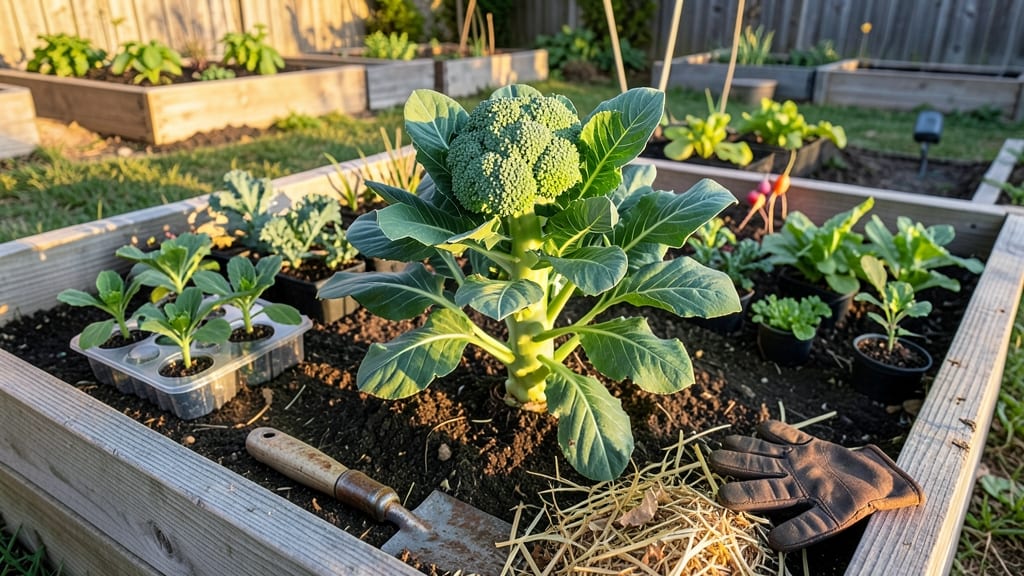
Planting your fall garden in Missouri between mid-August and mid-September sets you up for a harvest just before the first frost 🌱 — but timing is the difference between a bumper crop and a wasted effort.
Missouri’s unpredictable fall weather can make or break your garden—planting too early risks heat stress, while waiting too long means frost ruins your harvest. Timing is everything, and these key dates will help you grow a thriving fall garden without the guesswork.
Most Missouri gardeners focus on frost dates, but soil temperature and crop maturity are just as critical. A 4-6 week window before your first frost (usually mid-October) is ideal for cool-season crops like kale, broccoli, and spinach, while hardier varieties can stretch into November.
In this guide, I’ll break down the exact planting windows for your region, share the three biggest mistakes Missouri gardeners make, and show you how to extend your harvest with simple hacks—so you can enjoy fresh greens long after your neighbors have packed it in.
Missouri fall planting calendar: exact dates by vegetable type
Missouri’s fall garden success hinges on precise timing—plant too early and your leafy greens bolt in the heat, but wait too long and frost zaps your harvest. With USDA zones 5-7 and first frost dates ranging from mid-October to early November, here’s your crop-by-crop planting schedule to maximize yields.
Cool-season crops like kale and carrots thrive when soil temps drop below 80°F, while tomatoes and peppers need a head start to mature before frost. Below, I’ve broken down the exact windows for Missouri’s most popular fall vegetables, adjusted for heat tolerance and frost sensitivity.
For St. Louis (Zone 6a), aim to plant by August 20th for most crops, while Kansas City (Zone 6b) gardeners can push dates to September 5th thanks to slightly warmer fall temps. Always check your local frost date—Missouri’s can vary by 1-2 weeks yearly.
Pro tip: Succession plant fast-growing crops like radishes and lettuce every 2 weeks to stagger harvests. This ensures you’re always pulling fresh produce before frost sets in. For example, sow a new batch of radishes on August 15th, August 30th, and September 15th for continuous harvests.
Heat-tolerant varieties like 'Heat-Tolerant' Swiss chard or 'Malabar' spinach can handle Missouri’s late-summer heat better than standard types. Pair them with shade cloth during 90°F+ days to prevent bolting. I’ve seen Malabar spinach thrive in my St. Louis garden even when regular spinach wilts.
Don’t forget to harden off seedlings for 5-7 days before transplanting. Missouri’s fall weather swings from 85°F to 50°F in weeks—gradual exposure prevents shock. Place transplants in morning sun and afternoon shade during hardening to mimic fall conditions.
If you’re in northern Missouri (Zone 5b), like Columbia, prioritize fast-maturing varieties and use black plastic mulch to warm soil for early starts. In southern Missouri (Zone 7a), like Poplar Bluff, you can extend planting until
3 Critical mistakes Missouri gardeners make planting fall crops (and how to fix them)
Missouri’s clay-heavy soil and unpredictable fall weather create unique challenges for gardeners. Many well-intentioned Missourians rush to plant their fall crops without checking soil temperatures or accounting for late-summer heat spikes that can linger into September. These mistakes often lead to stunted growth or complete crop failure before harvest season.
Another common error is relying on outdated frost date charts without factoring in microclimates—like urban heat islands in St. Louis or cooler valleys in the Ozarks. Even a 2-week difference in frost timing can mean the difference between a thriving garden and a wasted effort.
Let’s fix these three critical mistakes before your next planting season.
⚠️ Missouri’s Frost Trap
Missouri’s average first frost lands between October 15-30, but don’t just plant 6 weeks before that date! Late-summer heat can push frost back 2 weeks or more. Check your local USDA zone (5b-6b) and use a frost calculator like the Missouri Botanical Garden’s tool to get precise dates for your county.
First, many gardeners ignore soil temperature when planting fall crops. Cool-season vegetables like kale and spinach thrive in soils between 45-65°F. If your soil is still above 70°F in late August, seeds may rot or seedlings bolt before producing edible leaves.
Use a soil thermometer ($10 at garden centers) to check temperatures at planting depth (1-2 inches).
Second, overestimating frost dates leads to planting too late. Many Missouri gardeners assume their area follows the state average, but local topography matters. For example, Kansas City’s first frost often arrives 10 days earlier than St. Louis.
Use 30-year averages from your nearest NOAA weather station and subtract 4-6 weeks for cool-season crops like broccoli or lettuce.
Third, choosing the wrong varieties is a silent killer of fall gardens. Not all cool-season crops are created equal—some bolt in heat, while others struggle with Missouri’s high humidity. For example, ‘Winterbor’ kale handles cold better than ‘Lacinato’ kale, which may turn bitter too soon.
Always select late-maturing varieties labeled for your region, like ‘Red Russian’ kale or ‘Winter Density’ broccoli.
To fix these mistakes, start by testing your soil’s drainage and pH (aim for 6.0-7.0). Amend clay soil with compost or aged manure to improve structure. For frost timing, set reminders for September 15 and October 1 to check local forecasts and adjust your planting schedule.
Finally, stick to Missouri-proven varieties—your local extension office can provide tailored recommendations.